John Cale: The Avant-Garde Architect of Art Rock
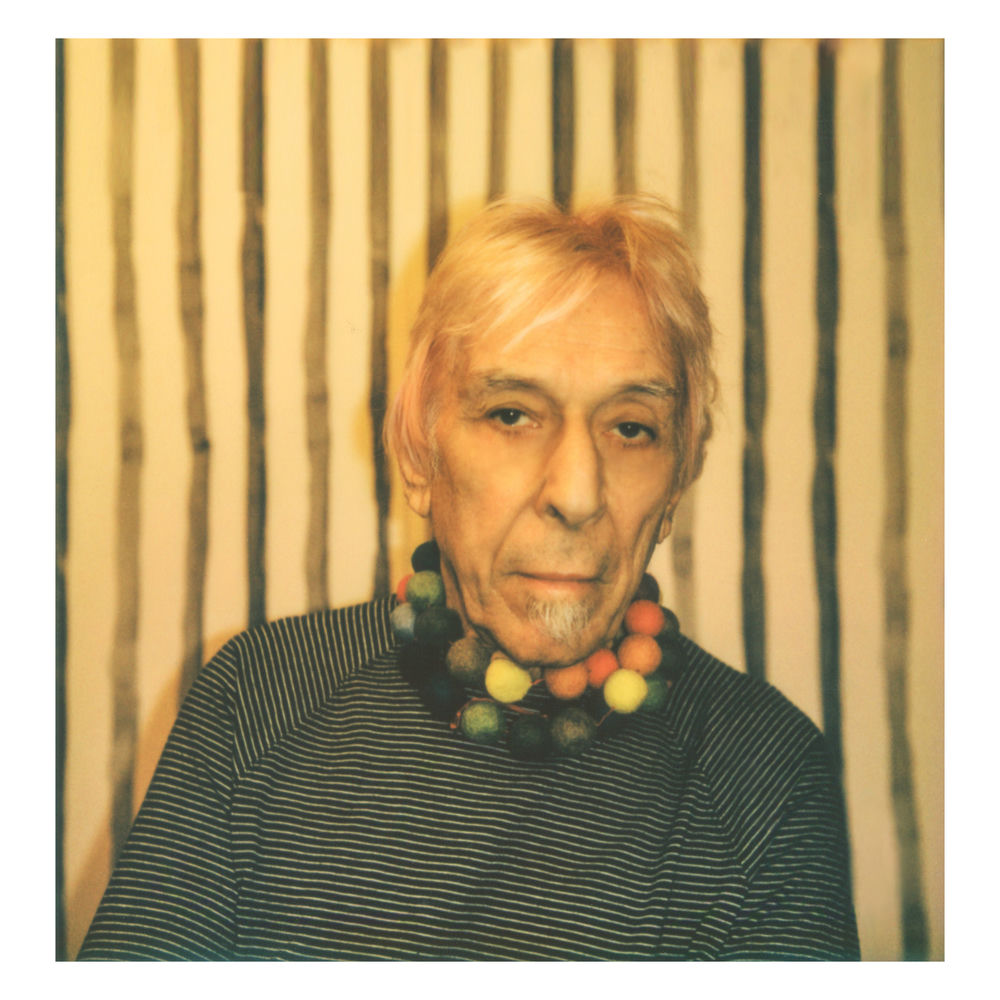
John Cale is a Welsh musician, composer, and producer whose pioneering work has left an indelible mark on art rock and experimental music. Emerging from the influential New York scene of the 1960s, his career is defined by a relentless spirit of innovation, both as a founding member of The Velvet Underground and through a vast, eclectic solo discography.
Early Career
Born in 1942 in Garnant, Wales, John Cale's formal training began at Goldsmiths College, University of London, where he studied music. His immersion in the avant-garde classical world, particularly the minimalist drone techniques of composers like La Monte Young, provided a radical foundation. This background directly informed his move to New York in 1963 and his subsequent fateful collaboration with Lou Reed, forming the core of The Velvet Underground in 1964, where his viola, bass, and keyboard work created a dark, textured soundscape.
Breakthrough
While The Velvet Underground's impact was initially more cultural than commercial, Cale's departure in 1968 launched a prolific and diverse solo career. His 1970 debut solo album, Vintage Violence, on Columbia Records, hinted at his songcraft, but it was his 1973 album Paris 1919 that became a critical landmark. This record, released on Reprise Records, masterfully blended baroque pop melodies with lyrical surrealism, later being recognized as a cornerstone of the art pop genre.
Key Tracks
Paris 1919 - The title track from his acclaimed 1973 album exemplifies Cale's unique ability to wrap enigmatic, literary lyrics in deceptively accessible, lush arrangements.
Fear Is a Man's Best Friend - A driving, tense track from 1974's Fear that bridges proto-punk energy with sophisticated, piano-led songwriting.
Hallelujah - Cale's 1991 orchestral interpretation for a Leonard Cohen tribute album is arguably the definitive arrangement that influenced countless later covers, including Jeff Buckley's.
Gun - A stark, minimalist song from 1974 that showcases his confrontational vocal style and sparse, powerful instrumentation.
Throughout the 1970s and beyond, John Cale produced seminal albums for other artists, including The Stooges' Fun House, Patti Smith's Horses, and Nico's The Marble Index, cementing his role as a crucial midwife to punk and alternative rock. His own work continued to veer between elegant, welsh-inflected balladry and abrasive experimental rock, as heard on albums like 1975's Slow Dazzle and 1981's Honi Soit. Even in later decades, Cale remained restlessly creative, composing film scores and releasing challenging modern classical and electronic-influenced works.
Artists exploring similar territories of art rock and avant-garde pop include Brian Eno, whose ambient and rock explorations parallel Cale's genre-fluid approach. Scott Walker shared a journey from pop to profound, avant-garde songwriting. The influence of Cale's work with The Velvet Underground resonates in the music of Patti Smith, whom he also produced. Finally, Nico's solo career was deeply shaped by Cale's early production and musical partnership.