John Fahey
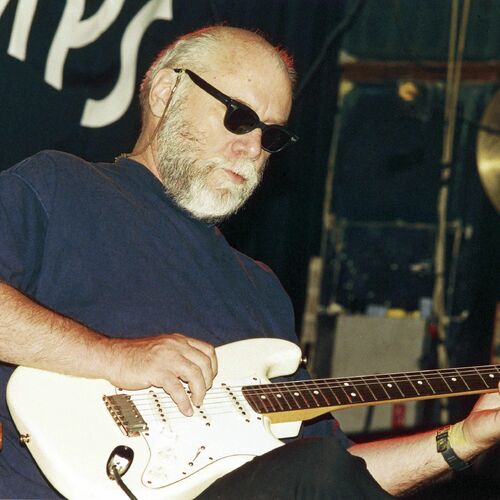
John Fahey: The Pioneer of American Primitive Guitar
John Fahey was an American guitarist, composer, and musicologist who revolutionized the acoustic guitar as a solo instrument. Hailing from Takoma Park, Maryland, his pioneering work in the 1960s defined the "American Primitive" genre, blending folk, blues, and avant-garde composition into a singular, influential body of work.
Early career
Born in 1939 in Washington D.C., Fahey began playing guitar as a teenager, deeply influenced by the fingerstyle blues of Mississippi John Hurt and the classical compositions of Charles Ives. He self-financed his first album, Blind Joe Death, in 1959, pressing 100 copies and founding his own Takoma Records label to sell them, a quintessential DIY endeavor.
Breakthrough
Fahey's artistic and commercial breakthrough came with his 1967 album, Requia, released on the Vanguard label. The album's experimental collages of guitar work and found sounds, alongside more traditional pieces, captured the attention of the growing psychedelic and folk audiences, establishing him beyond the niche folk revival circuit and securing his reputation as an innovator.
Key tracks
On the Sunny Side of the Ocean — This cheerful, melodic piece from 1963's Death Chants, Breakdowns and Military Waltzes showcases Fahey's ability to transform traditional folk motifs into complex, lyrical compositions.
Stomping Tonight on the Pennsylvania/Alabama Border — A driving, rhythmic tour de force from Requia that exemplifies his signature blend of blues momentum and expansive, narrative guitar storytelling.
Dance of Death — A darker, more dissonant composition highlighting Fahey's avant-garde tendencies and his willingness to explore somber, gothic themes within the solo guitar framework.
Sunflower River Blues — A slow, meditative masterpiece from 1967's Days Have Gone By that demonstrates his profound emotional depth and control of atmosphere.
Throughout the 1970s, John Fahey continued to record prolifically for Takoma, Vanguard, and Reprise, exploring collaborations with artists like Leo Kottke, whom he also signed to Takoma Records. His later career was marked by personal struggles but also a creative resurgence in the 1990s, during which he recorded experimental albums for the Table of the Elements label, reaffirming his status as a relentless musical seeker.
Listeners exploring the unique acoustic territory of John Fahey will also appreciate the work of similar American guitar innovators. Leo Kottke mastered a fluid, polyphonic fingerpicking style directly inspired by Fahey's early records. Robbie Basho shared Fahey's label and visionary approach, infusing his guitar work with raga influences and spiritual ambition. Jack Rose was a modern torchbearer for the American Primitive style, expanding its drone and ragtime foundations. William Tyler continues the tradition of narrative guitar composition in a contemporary context, citing Fahey as a key influence.
The intricate and timeless recordings of John Fahey remain a staple on dedicated folk, acoustic, and American roots music radio stations. His work is frequently featured on specialty programs focusing on guitar mastery and the history of independent music, captivating new generations of listeners on both terrestrial FM and curated online radio streams.
The pioneering American Primitive guitar music of John Fahey can be heard on radio stations featured on our website. Listeners can discover his vast catalog and enduring influence by tuning into the folk and acoustic stations available on onairium.com.