John Lennon and Yoko Ono
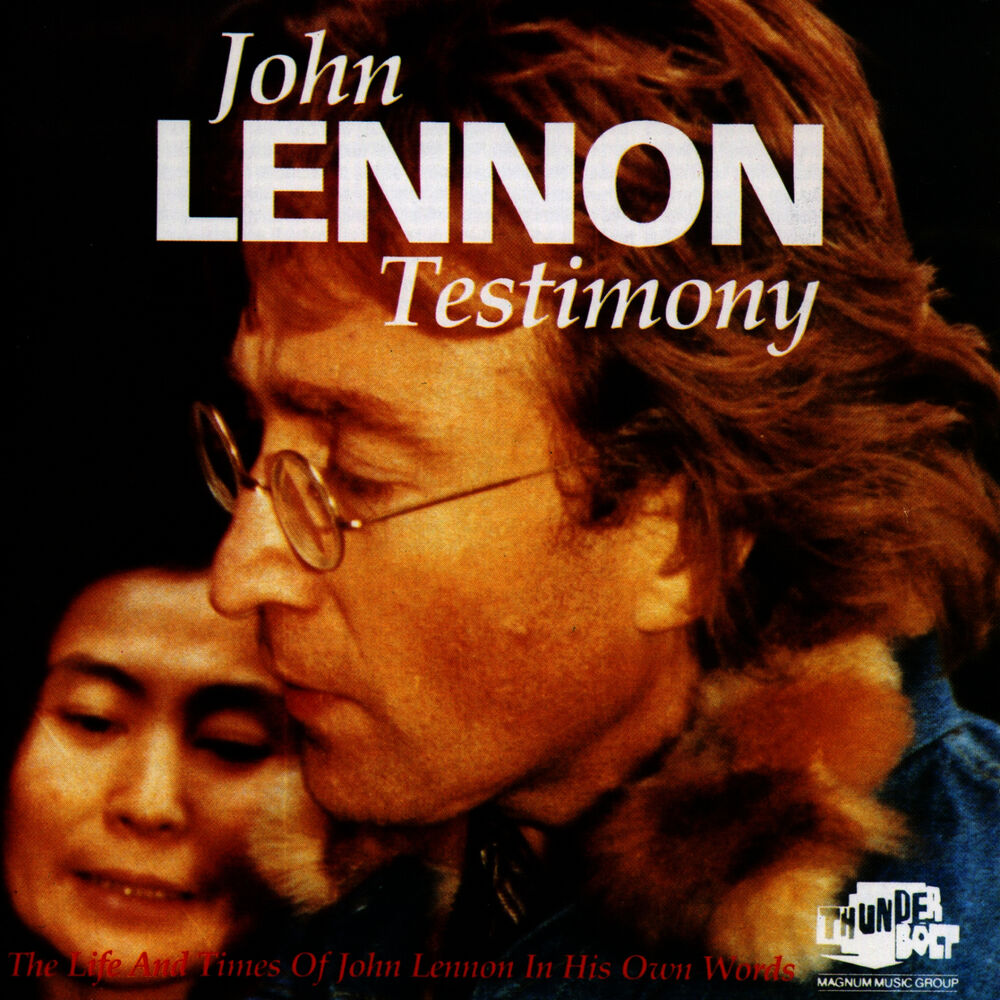
John Lennon and Yoko Ono: Avant-Garde Rock and Conceptual Art
John Lennon, the legendary British singer-songwriter from The Beatles, and Yoko Ono, a pioneering Japanese-American conceptual artist, formed one of the most influential and controversial creative partnerships in music history. Their collaborative work, spanning from 1968 onward, fused Lennon's rock foundation with Ono's avant-garde sensibilities, producing experimental albums and anthems for peace that challenged the music industry.
Early career
By 1968, John Lennon was already a global icon as a core member of The Beatles, seeking new artistic directions. He first encountered Yoko Ono, an established figure in the Fluxus art movement, at her London exhibition in 1966. Their personal and artistic union began in earnest during the recording of The Beatles' self-titled 1968 double album, famously collaborating on the experimental sound collage "Revolution 9".
Breakthrough
The duo's formal debut, Unfinished Music No. 1: Two Virgins (1968) on Apple Records, was a commercial non-starter but a massive cultural event due to its full-frontal cover art. Their true breakthrough to the mainstream came with the 1969 single "Give Peace a Chance", recorded during their Montreal Bed-In for peace. Credited to the Plastic Ono Band, the song became an instant anti-war anthem and a top 20 hit in multiple countries, proving their potent blend of music and activism.
Key tracks
Give Peace a Chance — This live-recorded chant became the definitive anthem of the anti-Vietnam War movement and a top 20 global hit.
Imagine — Although credited to John Lennon solo, Ono's conceptual influence is acknowledged on this 1971 platinum-selling number-one single.
Happy Xmas (War Is Over) — Their 1971 holiday single, another Plastic Ono Band release, has become a perennial classic, certified platinum in the UK and Italy.
Instant Karma! — Lennon's 1970 single, produced by Phil Spector, featured Ono on backing vocals and rocketed to number three on the Billboard Hot 100.
Walking on Thin Ice — Ono's 1981 dance-rock single, released after Lennon's death, became a club hit and earned a Grammy nomination for Best Rock Performance.
Their subsequent albums, John Lennon/Plastic Ono Band (1970) and Yoko Ono/Plastic Ono Band (1970), released concurrently on Apple, presented a stark, raw contrast. John's album was a primal therapy-inspired rock record, while Yoko's was an avant-garde vocal exploration. Their "Double Fantasy" album in 1980, on Geffen Records, marked a triumphant comeback, winning the 1981 Album of the Year Grammy after Lennon's tragic murder in December 1980.
The music of John Lennon and Yoko Ono finds its natural home on classic rock FM stations and specialty shows dedicated to music history. Their experimental edge also resonates on independent music radio stations exploring the intersection of art and sound. Listeners can discover the depth of John Lennon and Yoko Ono's collaborative catalog through curated programming on various online rock radio streams.
Fans of the duo's work might also explore artists who blend rock with experimental or political themes. David Bowie shared a similar spirit of artistic reinvention and genre-blurring collaboration. Patti Smith merged poetic punk rock with a potent social conscience, following a parallel path. The avant-pop explorations of Kate Bush echo Ono's fearless vocal and compositional innovation. R.E.M. carried forward the tradition of integrating political commentary into thoughtful alternative rock anthems.
The enduring legacy of John Lennon and Yoko Ono continues to be celebrated across radio formats. You can hear the iconic music of John Lennon and Yoko Ono, from peace anthems to avant-garde experiments, on the wide array of radio stations featured and available for listening on onairium.com