
Johnnie Ray: The "Nabob of Sob" Who Pioneered Rock & Roll Emotion
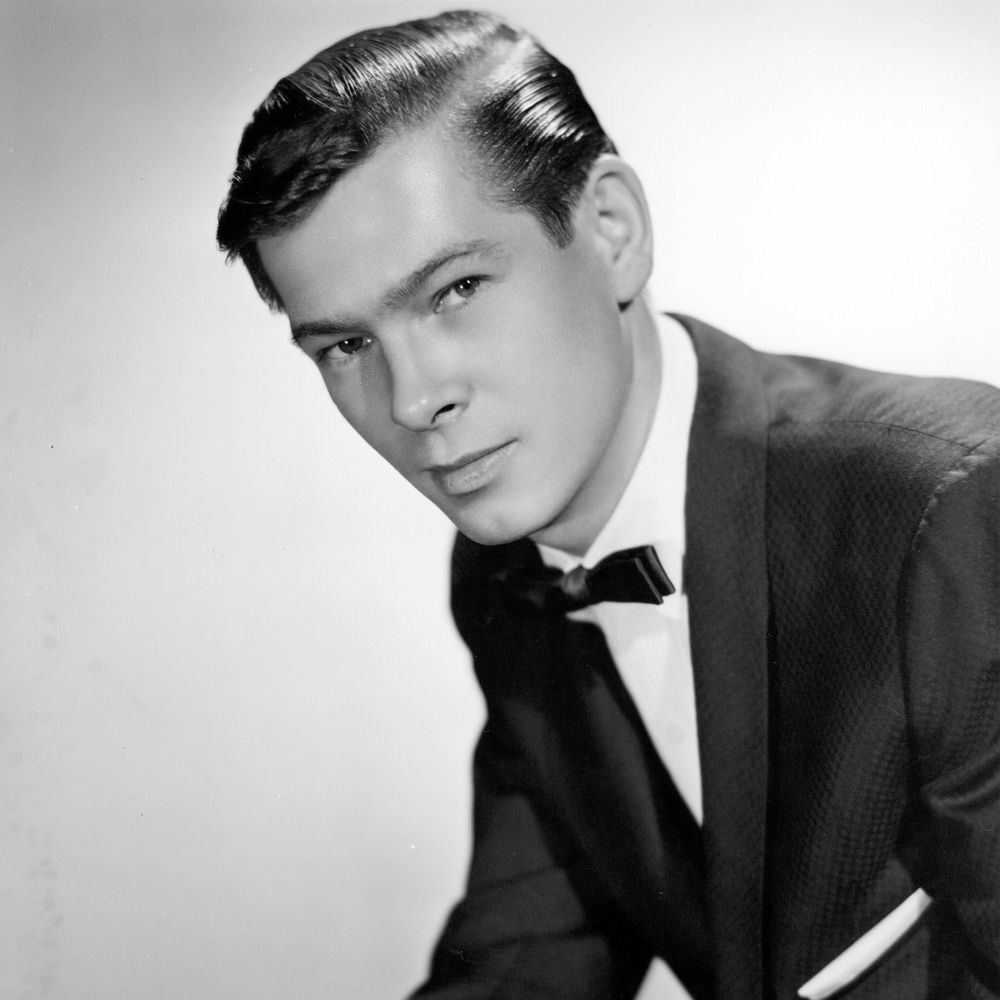
Johnnie Ray was an American singer and pianist whose explosive, emotionally charged performances in the early 1950s made him a massive star and a direct precursor to the rock and roll era. Hailing from Oregon, his raw vocal style and dramatic stage presence, which often saw him weeping and clutching the piano, earned him nicknames like "The Prince of Wails" and led to tremendous commercial success, including several million-selling records.
Early Career
Born John Alvin Ray in 1927 in Hopewell, Oregon, he began performing after moving to Los Angeles. His early career was built on the nightclub circuit, where his powerful, soul-baring vocal delivery set him apart from the more restrained pop singers of the late 1940s. Ray's unique style was influenced by rhythm and blues and traditional pop, and he was eventually discovered by a record executive while performing in Detroit.
Breakthrough
Johnnie Ray's breakthrough came in 1951 with the double-sided hit "Cry" and "The Little White Cloud That Cried" on the Okeh label. "Cry" topped the Billboard charts for 11 weeks and sold over two million copies, establishing his signature tearful ballad style. This success was swiftly followed by another major hit, "Just Walkin' in the Rain," in 1956, which further cemented his status as a top-selling artist and a fixture on radio playlists.
Key Tracks
Cry - This 1951 million-seller defined Johnnie Ray's emotionally raw ballad style and became his signature song.
The Little White Cloud That Cried - The B-side to "Cry," this track was equally popular and showcased his vulnerable, narrative-driven approach.
Just Walkin' in the Rain - A 1956 hit that demonstrated the enduring appeal of his dramatic pop sound in the burgeoning rock and roll age.
Yes Tonight, Josephine - This upbeat number showed a different, more rock-oriented side of his versatile catalog.
Throughout the mid-1950s, Johnnie Ray remained a dominant figure in popular music, consistently landing songs on the charts and performing to sold-out crowds across the United States and internationally. His influence was keenly felt by the next generation of performers; his energetic, physical stage act and fusion of pop, blues, and gospel emotion directly paved the way for artists like Elvis Presley. While his chart dominance waned after the rise of full-fledged rock and roll, Ray continued to perform and record, exploring vocal jazz and traditional pop genres for decades.
Artists with a similar dramatic flair or foundational role in early rock include Little Richard for his uninhibited piano-driven energy, Jerry Lee Lewis for his explosive performance style, and Frankie Laine for his powerful, dramatic vocal delivery in traditional pop.
The music of Johnnie Ray, a key bridge between classic pop and rock and roll, continues to be celebrated on classic rock radio stations and oldies formats that explore the roots of American music. His recordings capture a pivotal moment in musical history where emotion became a central force in popular song.
Listeners can discover the passionate sound of Johnnie Ray through the radio stations featured on this website.