Johnny Horton
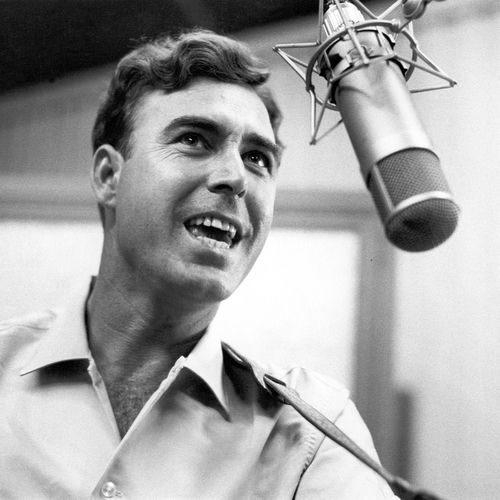
Johnny Horton: The Pioneering Voice of Historical Country
Johnny Horton was an American singer-songwriter who masterfully blended country music with historical narratives and rockabilly energy. Hailing from Los Angeles, California, and raised in Texas, he scored a monumental crossover hit in 1959 with The Battle of New Orleans, which topped both the country and pop charts.
Early career
Born in 1925, Horton began his professional journey after moving to Seattle and winning a talent contest in the early 1950s. His initial recordings for the Cormac label showed a Hank Williams-inspired style, but his signing to Columbia Records in 1956 marked the start of his most significant work.
Breakthrough
Johnny Horton's breakthrough arrived in 1959 with the release of The Battle of New Orleans. The single spent six weeks at number one on the Billboard Hot 100 and ten weeks atop the country chart, earning gold certification and a Grammy Award for Best Country & Western Performance.
Key tracks
The Battle of New Orleans — This Grammy-winning historical saga became his signature song and a massive pop-culture phenomenon.
North to Alaska — The title song for the 1960 John Wayne film further cemented his status as a master of story-songs.
Sink the Bismarck — Another successful historical narrative that charted in the Top 10 on both the pop and country lists.
Honky-Tonk Man — An earlier hit that showcased his rockabilly flair and became a standard later covered by Dwight Yoakam.
When It's Springtime in Alaska (It's Forty Below) — This poignant ballad was another major country hit that demonstrated his vocal versatility.
Working closely with producer Don Law, Horton found a potent formula, often drawing lyrics from the writings of schoolteacher Jimmy Driftwood. His series of "saga songs" dominated the airwaves, leading to successful albums like The Spectacular Johnny Horton and Johnny Horton Makes History.
His promising career was tragically cut short in November 1960 when he died in a car accident at the age of 35. Despite his brief peak, his influence endured; posthumous releases like Johnny Horton's Greatest Hits continued to sell, with the compilation reportedly certified platinum by the RIAA for shipments exceeding one million copies.
Fans of Johnny Horton's narrative-driven country and rockabilly sound should also explore the work of similar artists like Marty Robbins, who also excelled at crafting epic story-songs within country music. Tennessee Ernie Ford shared Horton's deep, commanding vocal style and crossover appeal. The rockabilly energy in Horton's earlier work finds a parallel in Johnny Cash, particularly in his Sun Records era. For the historical storytelling aspect, Jimmy Dean is another key artist from the same period.
Johnny Horton's music remains a staple on classic country FM stations and dedicated Americana radio streams that celebrate the genre's foundational artists. His story-songs are regularly featured in programming blocks focusing on historical narratives in music or the golden age of rockabilly.
Listeners can discover the enduring legacy of Johnny Horton's catalog on the classic country and historical music radio stations featured on our website. Tune in via onairium.com to hear his iconic hits in regular rotation.