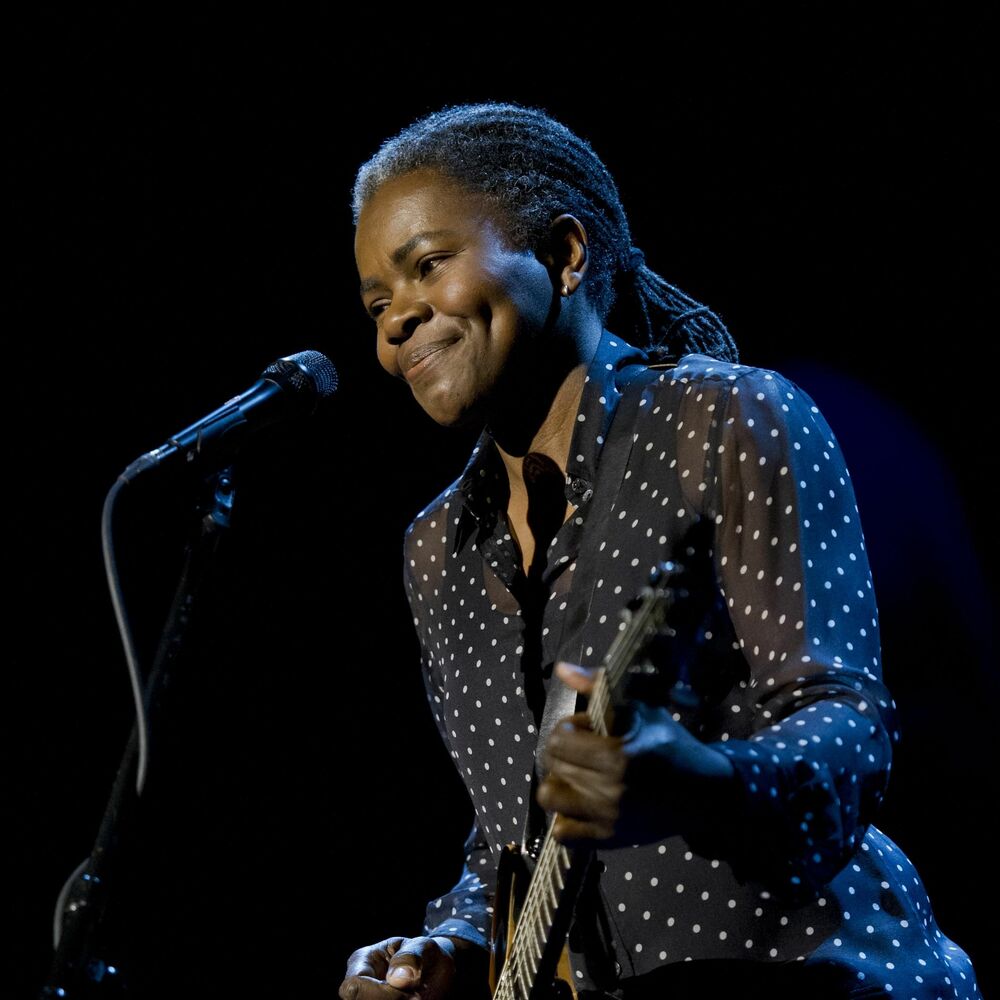

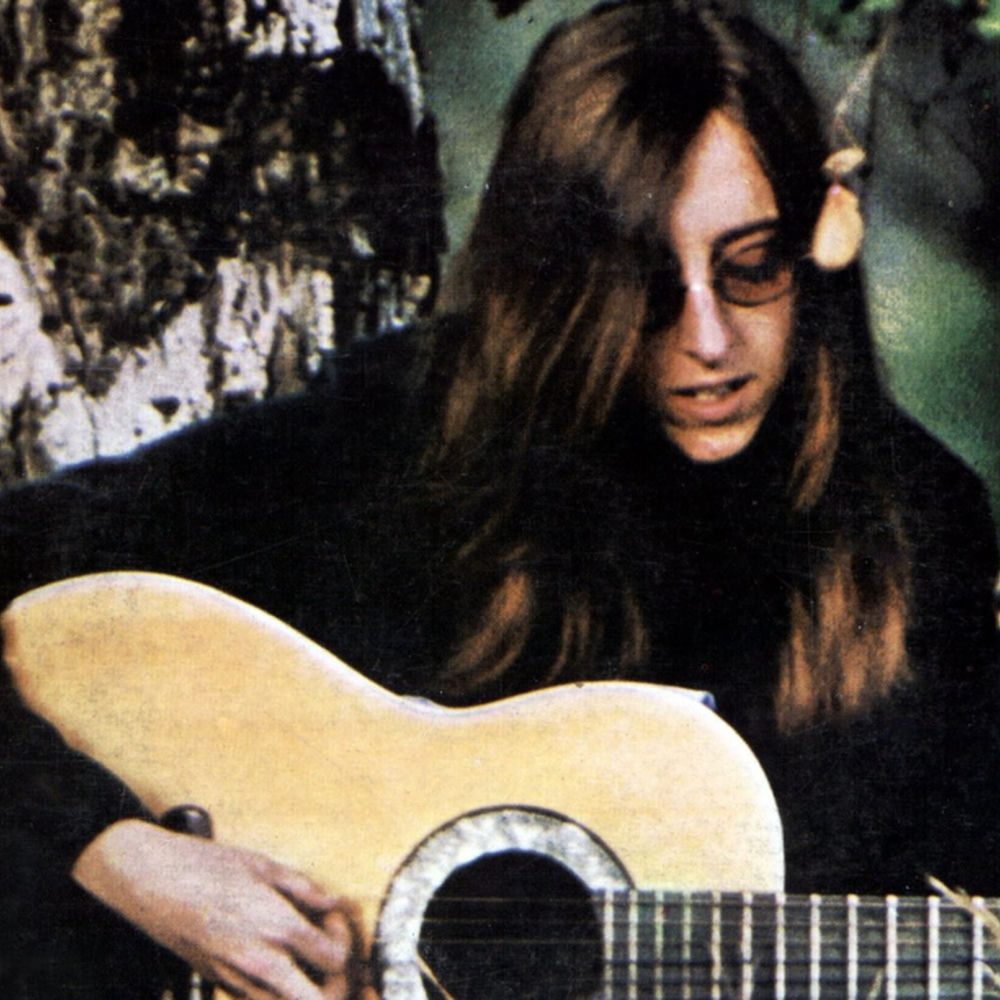
Judee Sill: The Enigmatic Voice of Cosmic Folk
Judee Sill was a pioneering American singer-songwriter who blended intricate folk melodies with baroque and gospel influences. Hailing from California, her primary achievement was releasing two critically acclaimed albums on David Geffen's Asylum Records in the early 1970s, cementing her brief but brilliant place in the Los Angeles music scene.
Early career
Born in 1944 in Oakland, California, Judee Sill's early life was marked by turbulence, including time in a reform school. She began her musical journey in the late 1960s, writing songs and performing in Los Angeles clubs after earlier attempts at composing for the band The Cleanliness and Godliness Skiffle Band. Her first professional break came when her song Lady-O was recorded by The Turtles in 1969, bringing her songwriting to wider attention.
Breakthrough
Judee Sill's breakthrough arrived in 1971 when she became the first artist signed to the new Asylum Records label, founded by David Geffen. Her self-titled debut album, Judee Sill, was released in October 1971 and was promoted with a tour supporting the band Bread. While it did not achieve major chart success, the album garnered strong reviews for its sophisticated fusion of folk, classical, and country-rock.
Key tracks
Jesus Was a Cross Maker — This single from her debut album, produced by Graham Nash, became her best-known song and a staple of the early 1970s singer-songwriter movement.
The Kiss — Featured on her second album, this complex, classically-inspired piece showcases her ambitious compositional style and intricate piano work.
The Donor — A profound and spiritual exploration that highlights the mystical and religious themes central to her songwriting.
Soldier of the Heart — This track from her debut exemplifies her unique ability to weave personal vulnerability with grand, orchestral folk arrangements.
Her second and final album, Heart Food, was released in 1973. She arranged and conducted the string sections herself, further demonstrating her sophisticated musical vision. Despite critical praise, commercial recognition remained elusive, and personal struggles led to her withdrawal from the music industry by the mid-1970s.
Tragically, Judee Sill died in 1979. Her work was rediscovered decades later, leading to reissues of her albums and a newfound appreciation for her innovative blend of genres. Her influence is now acknowledged by many contemporary artists who admire her singular fusion of folk, gospel, and classical music.
Fans of Judee Sill's intricate songcraft and ethereal sound often appreciate the work of similar artists. Explore Joni Mitchell for another pioneering female songwriter with complex harmonies. Discover Laura Nyro for a similarly soulful and genre-blending approach to piano-based songwriting. Listen to John Martyn for another artist exploring folk's outer edges with emotion and technique. Check out Tim Buckley for a parallel journey into adventurous vocal and songwriting territories from the same era.
Judee Sill's haunting and beautiful songs have found a lasting home on the airwaves. Her music is regularly featured on dedicated folk radio stations, specialty singer-songwriter programs, and online radio streams that celebrate the rich history of 1970s acoustic music, ensuring her voice reaches new generations of listeners.
The unique musical legacy of Judee Sill continues to resonate. You can hear her timeless songs, including Jesus Was a Cross Maker and The Kiss, on the curated folk and classic album rock radio stations featured right here on onairium.com, where her pioneering spirit in the folk genre is kept alive.