Julian Cope: The Archdrude of British Psychedelic Rock
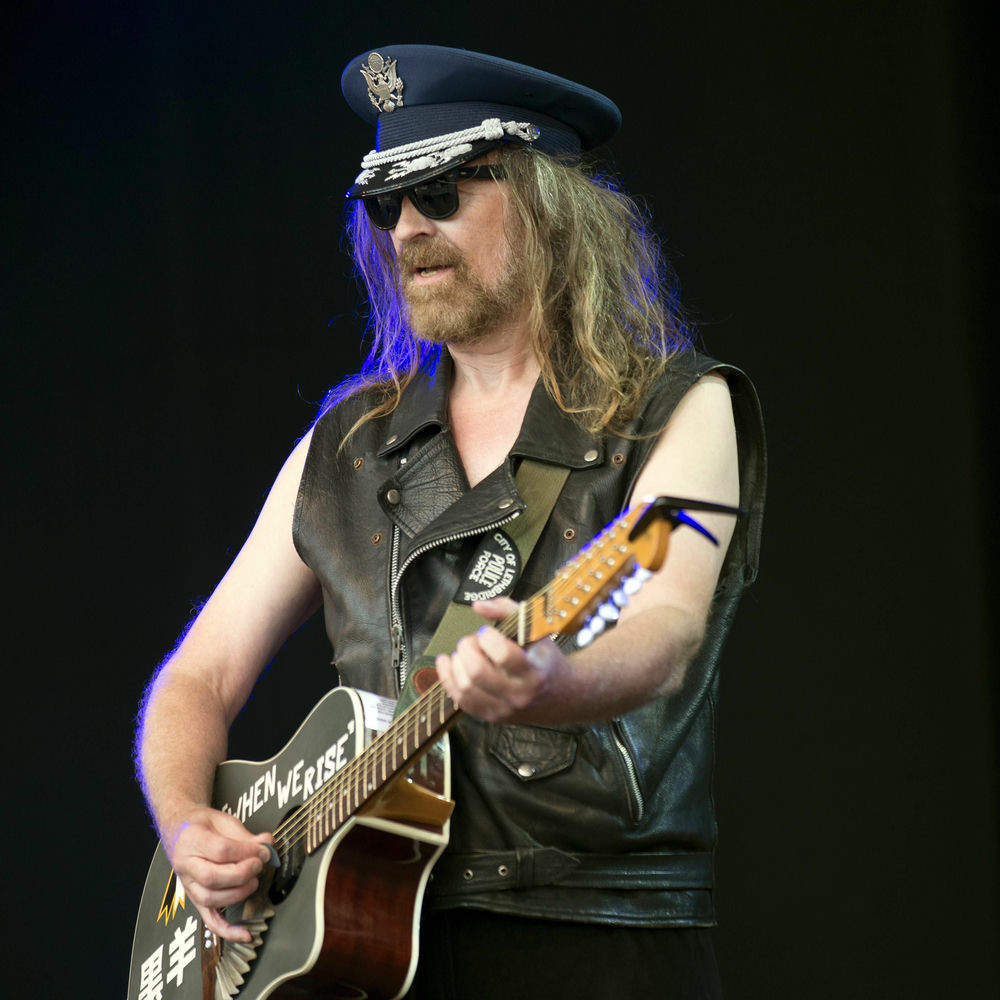
Julian Cope is a visionary English singer-songwriter, author, and musicologist whose career spans the post-punk, neo-psychedelic, and krautrock genres. From his beginnings in the influential band The Teardrop Explodes to a prolific and eclectic solo career, Cope has carved a unique and uncompromising path through the music industry for over four decades.
Early career
Born in 1957 in Deri, Wales, Julian Cope emerged from the vibrant Liverpool post-punk scene of the late 1970s. He co-founded the band The Teardrop Explodes, serving as frontman and primary songwriter, and they signed to the iconic Mercury Records imprint Fontana. Their 1981 debut album Kilimanjaro achieved a UK Top 40 chart position, introducing Cope's distinctive vocal style and melodic new wave sensibilities.
Breakthrough
Cope's true breakthrough as a solo artist came with his second solo album, 1984's Fried. However, it was his 1991 double album Peggy Suicide that marked a critical and commercial high point, reaching number 23 on the UK Albums Chart. Released on Island Records, this ambitious eco-psychedelic rock opus was hailed as a masterpiece and broadened his audience significantly, cementing his status as a cult icon.
Key tracks
World Shut Your Mouth — This 1986 single became Cope's biggest solo hit, peaking at number 19 on the UK Singles Chart and defining his pop-adjacent sound.
Sunspots — A driving, hypnotic track from Fried that showcased his shift towards a more experimental and psychedelic rock direction.
East Easy Rider — A sprawling, anthemic highlight from Peggy Suicide that encapsulates his fusion of rock energy with ecological themes.
Charlotte Anne — A fan-favorite from his 1992 follow-up Jehovahkill, demonstrating his knack for melodic, folk-tinged psychedelia.
They Were On Hard Drugs — A later-era track from 1999's Interpreter that exemplifies his raw, riff-heavy and humorous approach to rock music.
The 1990s saw Cope delve deeper into his musical obsessions, releasing the equally acclaimed Jehovahkill and founding his own label, Head Heritage. He also began his parallel career as a respected author with the publication of Krautrocksampler in 1995, a definitive guide to German experimental rock that influenced a new generation of musicians. His output remained prolific and diverse, exploring drone, noise, and hard rock across dozens of releases into the 2000s and beyond.
For fans of Julian Cope's unique blend of psychedelia and rock, explore similar artists featured on our site. Robyn Hitchcock shares a similarly witty and surreal English psychedelic songwriting style. The Fall parallels Cope's prolific, idiosyncratic, and fiercely independent post-punk spirit. Spacemen 3 explored the same minimalist and drone-heavy psychedelic territories that Cope championed. Primal Scream mirrors his trajectory from rock roots into expansive psychedelic and electronic experimentation.
Julian Cope's music maintains a strong presence on radio, particularly on specialty programs and alternative rock radio stations dedicated to deep cuts and cult classics. His anthems from the 80s and 90s are staples on classic rock FM stations with a taste for the eclectic, while his vast album-oriented work is celebrated on independent music radio stations and online rock radio streams worldwide.
Listeners can discover the vast and influential catalog of Julian Cope, from his chart hits to his deepest psychedelic explorations, on the curated radio stations available on onairium.com. Tune in to hear why this archdrude of British rock remains a vital and endlessly