
Keith Emerson: The Virtuoso of Progressive Rock
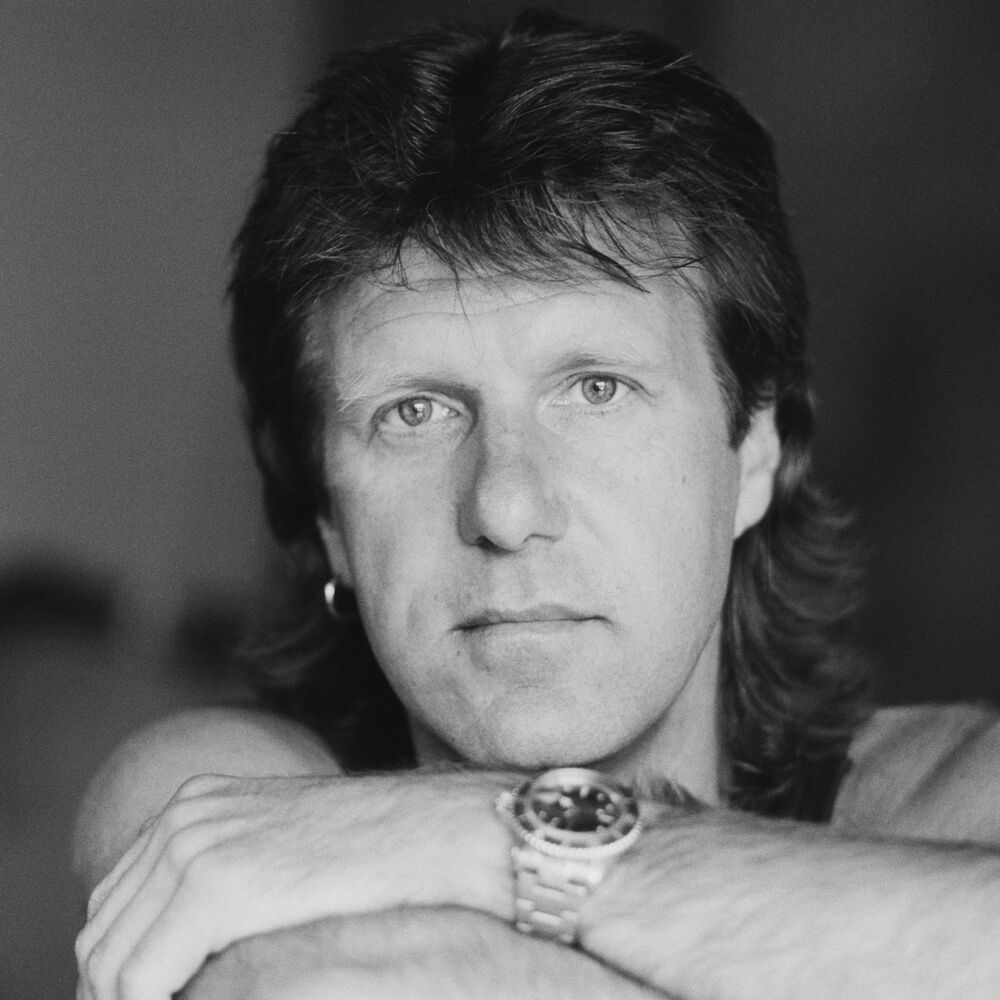
Keith Emerson was an English keyboardist and composer who fundamentally reshaped the role of the synthesizer and organ in rock music. As a founding member of the pioneering progressive rock band Emerson, Lake & Palmer, he achieved massive commercial success, with albums like Brain Salad Surgery selling millions of copies worldwide.
Early Career
Born in 1944 in Todmorden, England, Keith Emerson began his professional music career in the mid-1960s with bands like The VIPs and later The Nice. His early work with The Nice, which blended rock interpretations of classical music with jazz influences, laid the groundwork for the progressive rock movement and established his reputation as a flamboyant and technically gifted performer.
Breakthrough
Emerson's global breakthrough came with the formation of the supergroup Emerson, Lake & Palmer in 1970. Their self-titled debut album was an instant hit, reaching the Top 20 in both the UK and US charts and establishing a template for symphonic rock. The band's 1971 album Tarkus and the subsequent Brain Salad Surgery in 1973 cemented their status, with the latter achieving gold certification in the US and becoming a landmark of the genre.
Key Tracks
Lucky Man - This closing track on ELP's debut album featured one of rock's earliest and most iconic Moog synthesizer solos, showcasing Emerson's pioneering electronic sound.
Tarkus - The epic, side-long suite demonstrated Emerson's complex compositional skills and mastery of multiple keyboards, defining the progressive rock ambition.
Fanfare for the Common Man - ELP's powerful rock adaptation of Aaron Copland's classical piece became a concert staple and a UK Top 2 hit single in 1977.
Karn Evil 9: 1st Impression, Part 2 - Known for its famous lyric "Welcome back my friends to the show that never ends," this piece from Brain Salad Surgery is a quintessential example of the band's theatrical, genre-blending style.
Following ELP's initial disbandment in 1979, Keith Emerson pursued a solo career and composed several film scores, including for the 1981 horror film "Nighthawks." ELP reunited for several albums and tours in subsequent decades, though their output was less frequent. Emerson continued to perform his classic repertoire globally until his death in 2016.
Fans of Keith Emerson's keyboard-driven symphonic rock often appreciate the work of similar artists like Yes for their shared complexity and virtuosity. The classical rock fusion of Deep Purple, particularly Jon Lord's organ work, presents another parallel. Listeners may also explore the ambitious compositions of Genesis from the same era. The modern instrumental prowess of Dream Theater continues the legacy of technical progressive rock that Emerson helped pioneer.