Kenny Dorham
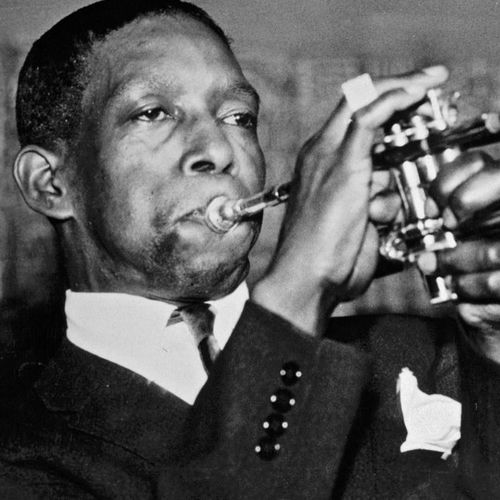
Kenny Dorham: The Undervalued Architect of Bebop and Hard Bop
McKinley Howard "Kenny" Dorham was an American jazz trumpeter, composer, and vocalist whose sophisticated melodic sense and lyrical tone made him a pivotal, if sometimes overlooked, figure in the evolution of modern jazz. Hailing from Fairfield, Texas, his primary achievement lies in a rich catalog of compositions and recordings as a leader for labels like Blue Note and Riverside, which are now considered essential post-bop classics.
Early career
Born in 1924, Kenny Dorham first gained major attention after replacing Miles Davis in Charlie Parker's quintet in 1948. This high-profile gig established his bebop credentials and led to important early recordings with Parker for the Dial and Savoy labels. His articulate, warm sound distinguished him from the more fiery stylists of the era, setting the stage for his work as a foundational member of the original Jazz Messengers in the mid-1950s.
Breakthrough
Dorham's breakthrough as a leader came with his 1959 album "Quiet Kenny" on the New Jazz label, a ballad-focused session that perfectly showcased his intimate, poetic trumpet style. While not a major commercial hit, its critical acclaim solidified his reputation as a masterful interpreter of melody. His most celebrated period followed on Blue Note, where from 1961 to 1964 he recorded a series of acclaimed albums featuring his own sophisticated compositions.
Key tracks
Blue Bossa — This Dorham composition, introduced on Joe Henderson's 1963 album "Page One," became an instant jazz standard and one of the most-played tunes in the hard bop repertoire.
Una Mas — The title track from his 1963 Blue Note album is a quintessential example of his ability to blend hard bop with Latin rhythms, featuring a memorable melody and fiery solos.
Prince Albert — A complex, harmonically rich original from his 1962 album "Matador," highlighting his advanced skills as a composer beyond simpler blues and rhythm changes.
Short Story — A beautifully constructed ballad from his 1960 album "Showboat," demonstrating the lyrical, singing quality of his trumpet tone that critics often praised.
Throughout the 1960s, Dorham was a prolific sideman and co-leader, appearing on landmark albums like Joe Henderson's "Page One," Jackie McLean's "Vertigo," and Andrew Hill's "Point of Departure." He also led the pioneering but short-lived group the Jazz Prophets and was a founding member of the cooperative hard bop quintet led by tenor saxophonist Clifford Jordan. Despite battling kidney disease, he remained active in education and performance until his untimely death in 1972 at age 48.
For fans of Kenny Dorham's intricate trumpet work and compositional depth, explore similar artists featured on our site. The lyrical brilliance of Clifford Brown shares Dorham's melodic focus and technical clarity. The hard bop drive of Lee Morgan echoes the energy of Dorham's Blue Note sessions. The compositional ambition of Wayne Shorter follows a similar path of harmonic innovation. The soulful expression of Art Farmer parallels Dorham's emphasis on a warm, vocal-like tone.
Kenny Dorham's music maintains a steady presence on dedicated jazz radio stations, particularly those focusing on classic hard bop and the historic Blue Note catalog. His recordings are staples on both terrestrial FM jazz channels and specialized online jazz radio streams, where his contributions as a player and writer are regularly highlighted for new audiences.
The sophisticated jazz of Kenny Dorham can be heard across multiple radio stations featured on our website. Listeners can discover his essential trumpet work and compositions by tuning into the jazz stations available on onairium.com.