Kerber
Type: Group
 Jersey
Jersey
Listen on radio stations:
Kerber: The Hard Rock Force from Serbia
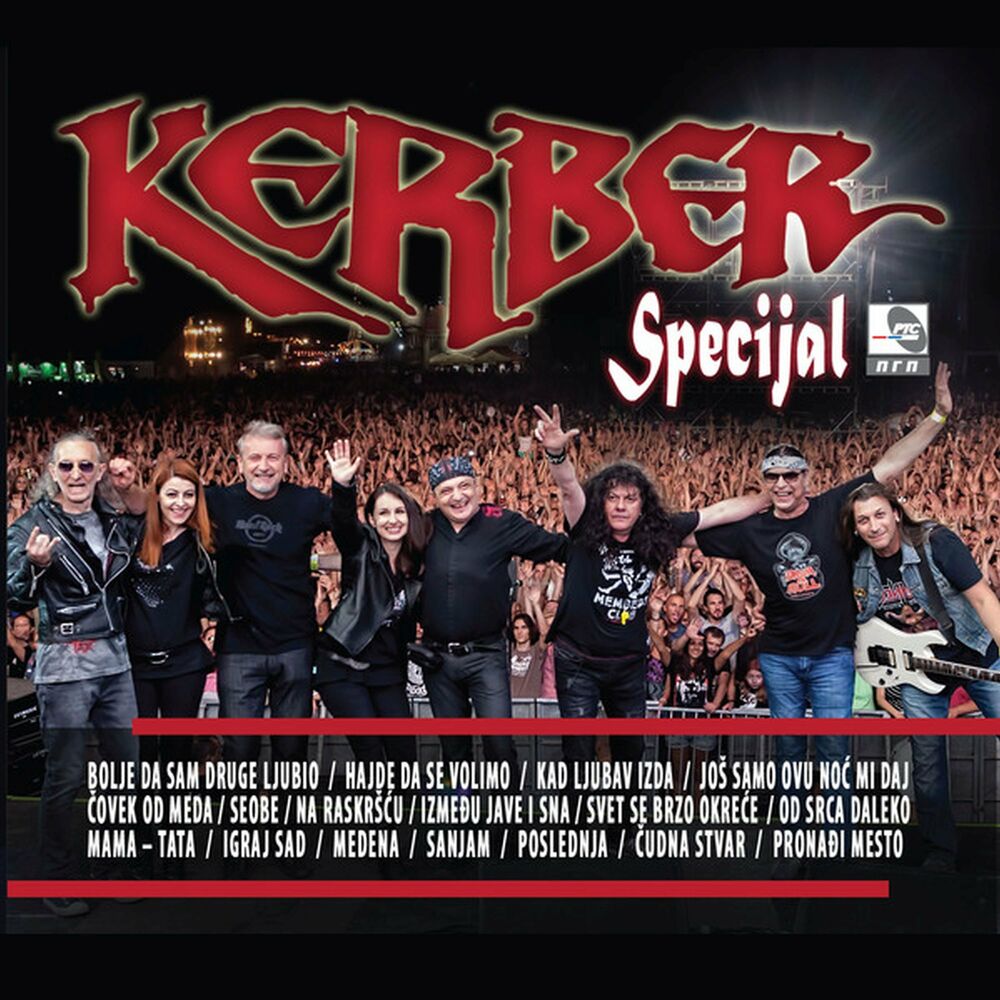
Kerber is a Serbian hard rock band that formed in the early 1980s. Hailing from the industrial city of Pančevo, the group became one of the most influential and enduring rock acts in the former Yugoslavia and its successor states.
Early Career
Kerber was founded in 1981 by guitarist Tomislav Nikolić. The band's early lineup solidified with vocalist Goran Šepa, bassist Branislav Božinović, keyboardist Zoran Žikić, and drummer Dragoljub Đuričić, establishing a powerful hard rock sound with progressive elements.
Their self-titled debut album, Kerber, was released in 1985 on the Jugoton label, introducing their signature blend of heavy riffs and melodic sensibility to the regional rock scene.
Breakthrough
The band's major breakthrough came with their second album, 1986's Ratne Igre. This record featured a more refined and ambitious sound, capturing the attention of a massive audience across Yugoslavia.
Tracks from Ratne Igre received heavy airplay, and the album's success cemented Kerber's status as a leading force in the hard rock genre, achieving significant commercial success without official chart data available from the period.
Key Tracks
Ratne Igre - The title track from their breakthrough album is a hard rock anthem that defined their early sound and thematic depth.
Budi Sam Na Svetu - This powerful ballad showcased the band's ability to craft emotionally resonant songs beyond pure hard rock.
Mezimac - A staple of their live performances, this song highlights Kerber's intricate guitar work and driving rhythms.
Haos I Red - Later in their career, this track demonstrated the band's evolving musical complexity and enduring energy.
Throughout the late 1980s and 1990s, Kerber continued to release successful albums like Seobe (1989) and Peta Strana Sveta (1995), navigating the changing musical landscape and regional conflicts. The band experienced several lineup changes but core members like Tomislav Nikolić ensured their musical direction remained consistent. Their resilience allowed them to maintain a loyal fanbase for decades, performing for new generations of rock fans.
Fans of Kerber's Serbian hard rock might also appreciate the work of Riblja Čorba, another pillar of Yugoslav rock with a raw, blues-influenced sound. The melodic heavy rock of Divlje Jagode shares a similar musical era and energy. For those interested in progressive rock elements within the regional scene, Smak offers a pioneering blend of rock and jazz fusion.
Kerber's music, from their 1980s hard rock anthems to their later sophisticated albums, represents a significant chapter in Balkan rock history. Their songs continue to resonate for their musical craftsmanship and powerful delivery.
Similar artists