Kevin Rowland
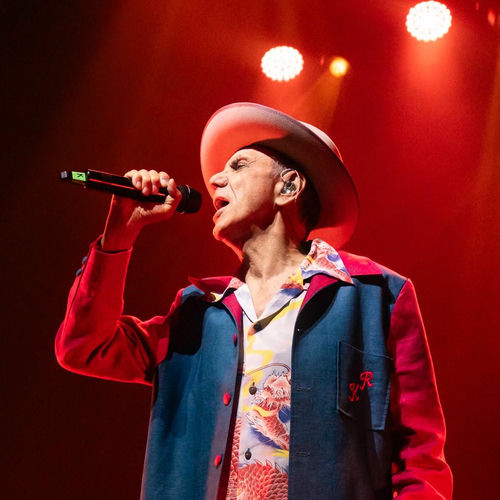
Kevin Rowland: The Soulful Voice of British Pop and Rock
Kevin Rowland is the charismatic and often controversial frontman of the British pop-rock band Dexys Midnight Runners. Hailing from Wolverhampton, England, Rowland led the band to international superstardom in 1982 with the timeless anthem "Come On Eileen," which topped charts on both sides of the Atlantic. His career is defined by a relentless, soul-searching artistic vision that has produced some of the most distinctive British music of the last four decades.
Early career
Born in 1953 in Wolverhampton to Irish parents, Kevin Rowland moved to London as a teenager. His musical journey began in the late 1970s punk scene, where he formed the band The Killjoys before a new vision took hold. In 1978, he founded Dexys Midnight Runners, a group named after the stimulant Dexedrine and driven by a passionate, soul-influenced sound and a fiercely unified image.
Breakthrough
The band's 1980 debut album, Searching for the Young Soul Rebels, entered the UK album chart at number six, propelled by the fiery single "Geno," a tribute to soul singer Geno Washington that reached number one. However, Kevin Rowland's true global breakthrough arrived in 1982 with the band's second album, Too-Rye-Ay. The album's fusion of Celtic folk with soul and pop created an utterly unique and enduring signature sound.
Key tracks
Geno — This 1980 UK number one single established Dexys as a major force with its intense, brass-driven celebration of soul music.
Come On Eileen — The 1982 global smash that topped the US Billboard Hot 100 and UK Singles Chart, defining an era with its iconic video and folk-soul energy.
This Is What She's Like — A sprawling, dramatic epic from 1985's poorly received Don't Stand Me Down, later critically re-evaluated as a masterpiece of storytelling.
Because of You — The 1986 single from the soundtrack to The Van, marking a brief commercial return for Rowland with a more polished pop sound.
Manhood — The bold, confessional title track from his 1999 solo album, a deeply personal work that divided critics and fans upon release.
Following the immense success of "Come On Eileen," Kevin Rowland's career took unexpected turns. The ambitious 1985 album Don't Stand Me Down, recorded with a new Dexys lineup, was a commercial disaster despite its sophisticated songwriting. After a hiatus, a 2003 reunion and the 2012 album One Day I'm Going to Soar were met with critical acclaim, proving his enduring creative power. Rowland's 1999 solo album My Beauty, featuring covers in drag on the cover, remains a notorious chapter in his story of uncompromising artistry.
Fans of Kevin Rowland's passionate, genre-blending approach should also explore The Waterboys, who similarly fused rock with Celtic soul. Elvis Costello shares Rowland's sharp songwriting and stylistic restlessness. The anthemic quality of Dexys' music finds a parallel in The Pogues, another band rooted in folk traditions. For the sheer emotional intensity of his delivery, listen to Joe Cocker.Kevin Rowland's music, from the soulful stomp of early Dexys to his later introspective work, maintains a strong presence on radio. His tracks are staples on classic rock FM stations, alternative rock radio stations, and dedicated online rock radio streams that celebrate music with depth and character.
The distinctive sound of Kevin Rowland and Dexys Midnight Runners continues to be featured across the network of independent music radio stations and classic pop channels available on onairium.com, where listeners can discover the full scope of his influential catalog.