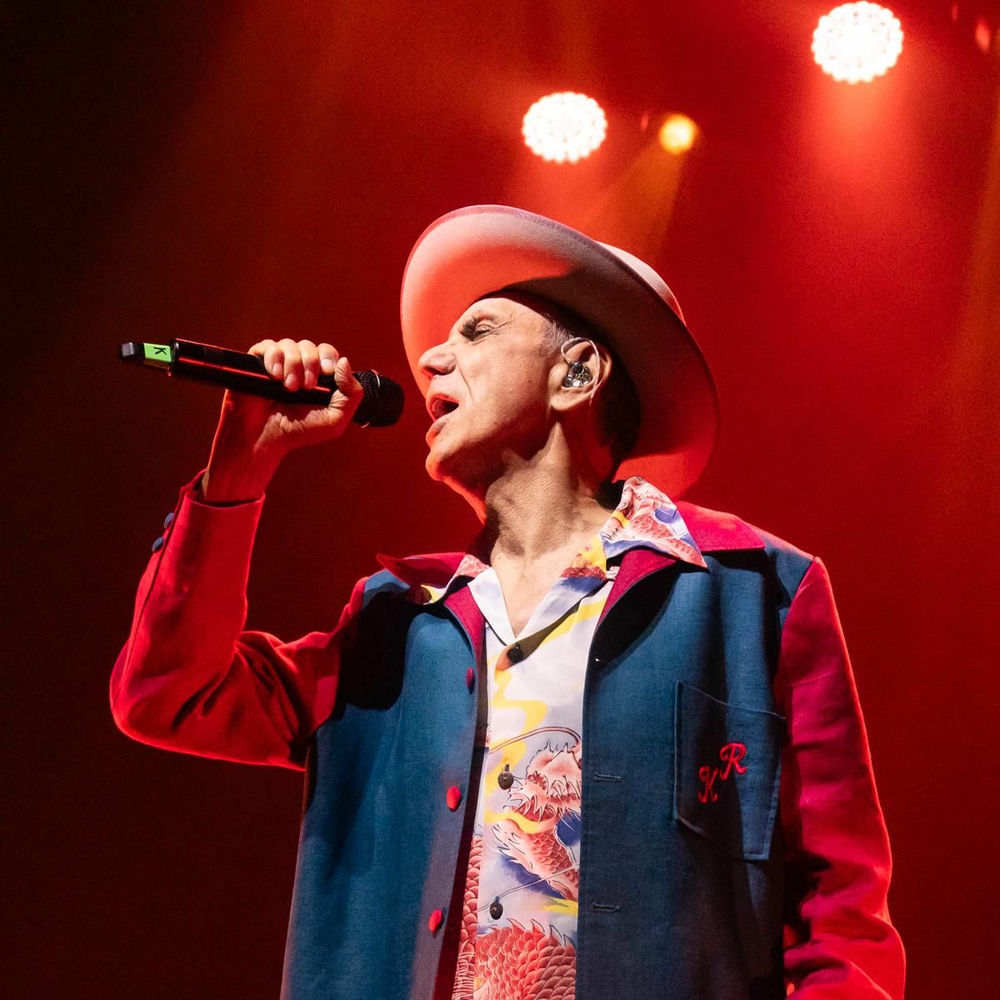
Kevin Rowland: The Soulful Voice of British Pop and Rock
Kevin Rowland is the charismatic and often unpredictable frontman of the British band Dexys Midnight Runners. Hailing from Wolverhampton, England, Rowland led the group to massive international success in the 1980s with their unique blend of soul, pop, and folk influences. Their 1982 album "Too-Rye-Ay" and its global smash single "Come On Eileen" remain defining moments of the era, achieving multi-platinum sales and topping charts on both sides of the Atlantic.
Early career
Born in 1953 in Wolverhampton to Irish parents, Kevin Rowland moved to London as a teenager. His early musical endeavors were in punk bands, but he quickly grew dissatisfied with the genre's limitations. In 1978, he formed Dexys Midnight Runners, a band named after the stimulant Dexedrine and driven by Rowland's intense vision for a passionate, soul-infused sound combined with a strong visual identity.
Breakthrough
Dexys' 1980 debut album "Searching for the Young Soul Rebels" on EMI was an immediate critical and commercial success in the UK, reaching No. 6 on the album chart. However, it was their 1982 follow-up on Mercury Records, "Too-Rye-Ay," that catapulted them to worldwide fame. The album's lead single, "Come On Eileen," became a cultural phenomenon, hitting No. 1 in the UK, the US, and numerous other countries, eventually selling over a million copies in the UK alone.
Key tracks
Geno — This tribute to soul singer Geno Washington gave Dexys their first UK No. 1 single in 1980, establishing their potent brass-driven sound.
Come On Eileen — The band's signature song, this worldwide chart-topper fused Celtic folk violins with soulful energy to create an enduring anthem.
Jackie Wilson Said (I'm in Heaven When You Smile) — Dexys' 1982 cover of the Van Morrison song showcased Rowland's soulful vocals and earned them another UK Top 5 hit.
This Is What She's Like — An epic, narrative-driven track from 1985's "Don't Stand Me Down," it highlighted Rowland's ambitious and deeply personal songwriting.
Tell Me When My Light Turns Green — A standout from the band's 2012 comeback album "One Day I'm Going to Soar," it proved Rowland's distinctive voice and intensity remained undimmed.
Following the immense success of "Too-Rye-Ay," Rowland's career took unexpected turns. The 1985 album "Don't Stand Me Down," initially a commercial disappointment, has since been critically re-evaluated as a lost masterpiece of sophisticated pop. After Dexys disbanded, Rowland pursued a solo career, releasing the covers album "The Wanderer" in 1988 and the deeply personal "My Beauty" in 1999, the latter featuring him in drag on the cover, which confounded many critics at the time.
After a long hiatus, Kevin Rowland resurrected Dexys Midnight Runners in the 2000s with a new lineup. The band's 2012 comeback album "One Day I'm Going to Soar" was met with widespread critical acclaim, reaching the UK Top 15. This successful return cemented Rowland's legacy not just as a hitmaker, but as a fiercely original artist who consistently followed his own unique muse across decades in the music industry.
Fans of Kevin Rowland's passionate, soul-infused approach to pop and rock often appreciate the work of similar British artists. The Style Council shared a commitment to sophisticated soul and pop in the 1980s. Elvis Costello matches Rowland's lyrical intensity and genre-blending curiosity. Paul Weller evolved from mod-punk to soulful exploration much like Rowland. The Waterboys similarly fused folk-rock with a passionate, "big music" sound in the same era.Kevin