
Spartacus Suite No.3
WRCJ is a distinguished radio station that offers a unique blend of classical and jazz music, captivating audiences with its rich soundscapes. Broadcasting from Detroit, this station has become a staple for music enthusi…
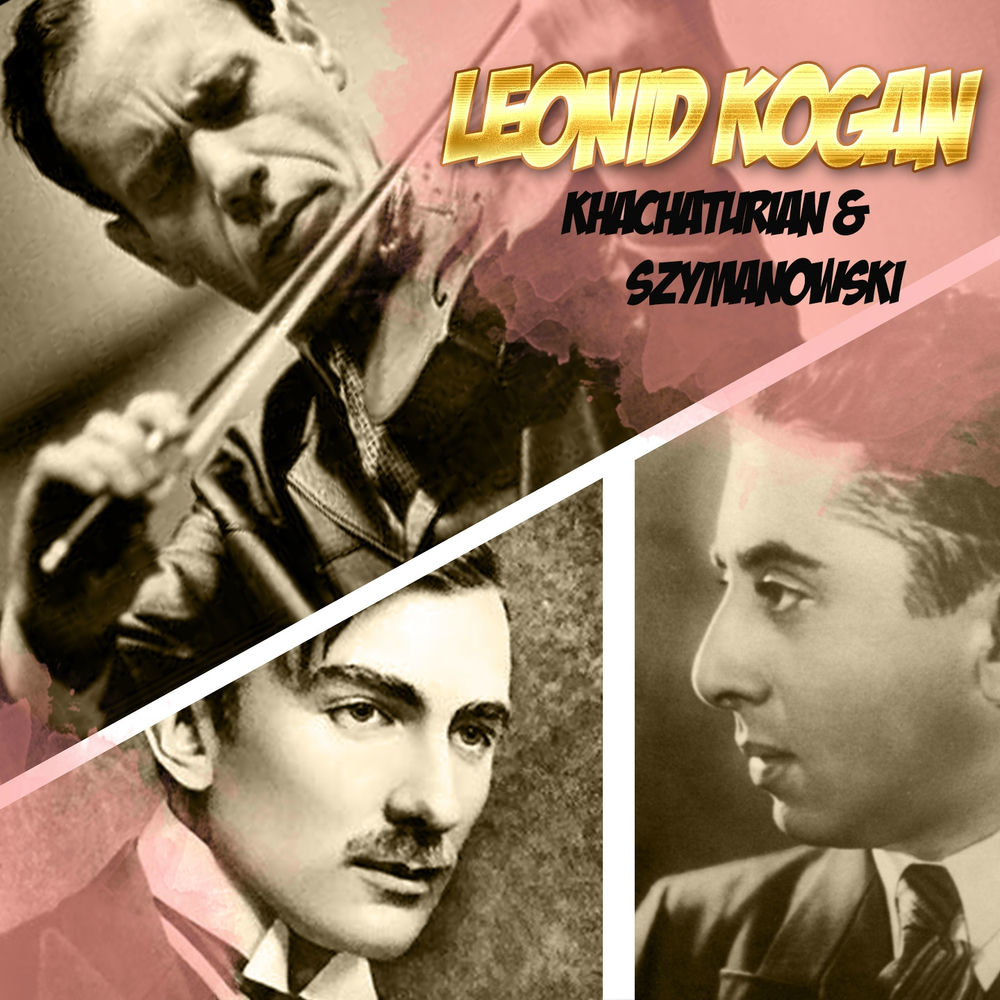
Aram Khachaturian was a Soviet Armenian composer whose vibrant, rhythmically charged works became pillars of the 20th-century classical repertoire. Hailing from Tbilisi, Georgia, his global fame was cemented by compositions like the "Sabre Dance," with his music achieving immense popularity through film, ballet, and countless recordings worldwide.
Born in 1903, Khachaturian moved to Moscow in his youth and began serious musical study surprisingly late, at age 19. He enrolled in the Gnessin Institute and later the Moscow Conservatory, where his early works, like his First Symphony and Piano Concerto, immediately showcased his signature blend of Armenian folk melodies with bold, colorful orchestration.
Khachaturian's international breakthrough arrived with his 1942 ballet Gayane, composed during World War II. Its electrifying "Sabre Dance" became a global pop-culture phenomenon, crossing over from the concert hall to radio and television, and remains one of the most instantly recognizable classical pieces ever written.
Sabre Dance — This explosive movement from the ballet *Gayane* became a worldwide hit, defining Khachaturian's reputation for driving, percussive energy.
Adagio from Spartacus — Often called the "love theme," this sweeping, lyrical piece from his later ballet achieved fame through its use in film and television.
Violin Concerto in D minor — A cornerstone of the violin repertoire, this concerto is celebrated for its passionate, folk-infused melodies and technical brilliance.
Masquerade Suite: Waltz — This elegant and slightly sinister waltz demonstrates his mastery of evocative, theatrical music beyond his folk-style works.
Following his massive success, Khachaturian continued to produce major works, including the ballet Spartacus in 1956. Despite facing official Soviet criticism alongside composers like Prokofiev and Shostakovich, he maintained a prominent career as a conductor, teacher, and cultural figure until his death in 1978.
His collaborations were primarily with legendary performers of his era, including violinist David Oistrakh, for whom his violin concerto was written. Khachaturian's music, regularly released on labels like Melodiya and later reissued internationally, has earned numerous gold and platinum certifications for classical recordings over the decades.
For fans of Khachaturian's richly orchestrated, folk-inspired classical music, explore similar artists featured on our site. Dmitri Shostakovich shared his Soviet context and gift for dramatic, large-scale forms. Sergei Prokofiev matches his blend of modern orchestral technique with memorable, sometimes playful, melodies. Béla Bartók similarly masterfully integrated national folk music into a modern classical vocabulary. Giya Kancheli continues the Georgian post-Romantic tradition with profound, spiritually charged works.
Khachaturian's dynamic compositions are staples on classic FM stations and dedicated classical music radio streams. His ballets and concertos are frequently featured in programming blocks focusing on 20th-century masters or Romantic-era-inspired works, ensuring his music reaches new generations of listeners.
You can experience the powerful music of Aram Khachaturian on the classical radio stations featured here on onairium.com. Tune in to discover his iconic works, from the furious "Sabre Dance" to the lyrical depths of his concertos, broadcast directly to you.