
57 Engeln
Hqmusic offers a vibrant rock-focused radio experience, blending classic hits with modern tracks that appeal to a diverse audience. You can listen live to the station’s energetic programming, featuring curated playlists …
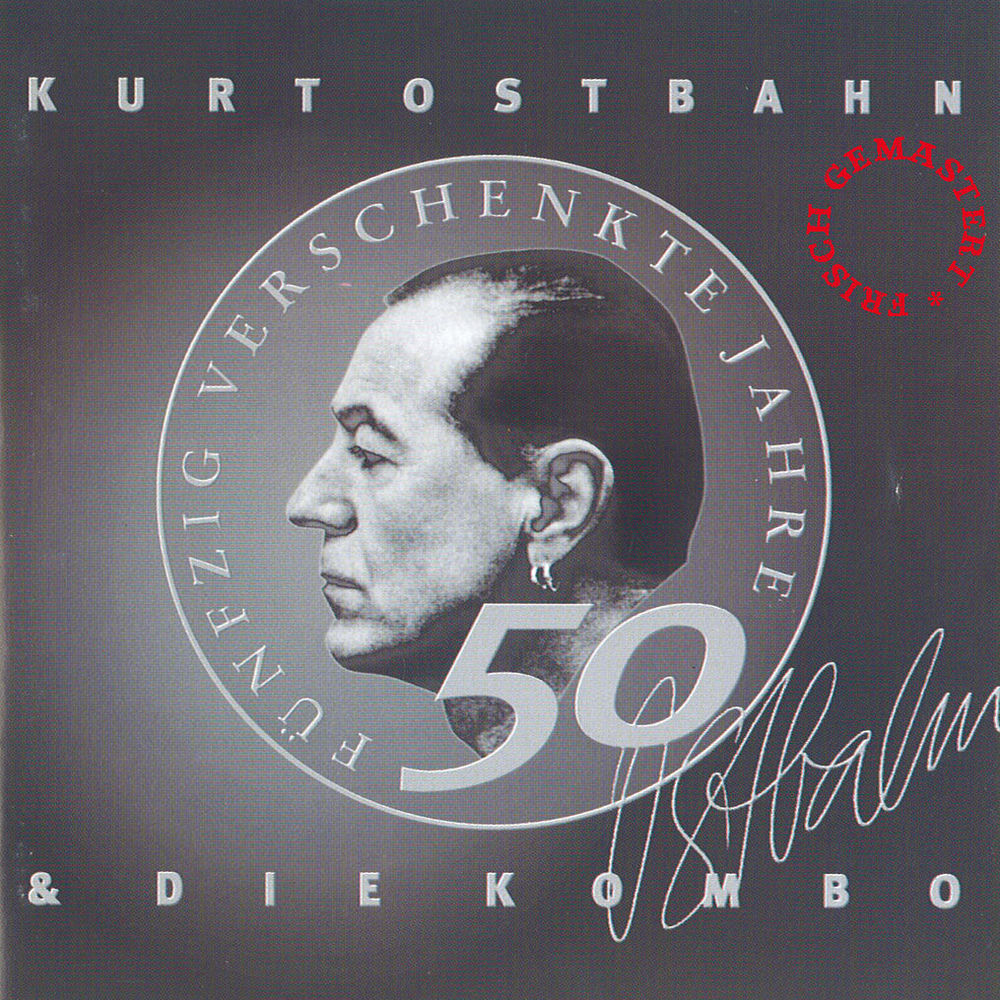
Kurt Ostbahn is the legendary stage persona of Austrian musician Kurt Hojak, a foundational figure in the country's vibrant rock and roll scene. Hailing from Vienna, his project with the backing band "Die Kombo" achieved remarkable success, with their 1995 album "A Scheene Leich" going platinum and spending over a year on the Austrian charts.
Kurt Hojak, born in 1957, began his musical journey in the late 1970s within Vienna's underground punk and rockabilly circles. His alter ego, "Kurt Ostbahn," fully emerged in the late 1980s, characterized by a distinctive Viennese dialect and a persona celebrating a working-class, rock 'n' roll lifestyle.
He founded his own label, "Möbelhaus Records," in 1990, releasing early cult hits that blended rockabilly, punk, and Austrian "Schrammel" influences. This DIY approach established a fiercely independent and locally resonant sound long before mainstream attention.
The major breakthrough arrived in 1995 with the album "A Scheene Leich" on the major label EMI. The album's lead single, a cover of the traditional Viennese song "I am from Austria," became an unexpected national anthem, propelling the album to platinum status and a Top 5 position in Austria.
This success cemented Ostbahn's status as a cultural phenomenon, selling out large venues and proving that dialect-driven, locally rooted rock could achieve massive commercial success. The album's chart run lasted for over 70 weeks, a rare feat for a rock act in the Austrian market.
I am from Austria — This 1995 cover transformed a classic song into a rock anthem, becoming Ostbahn's signature hit and a platinum-selling single.
Schifoan — A high-energy rock track celebrating skiing, it became a perennial winter hit and a staple of his live performances.
Fürstenfeld — This track exemplifies his storytelling prowess, painting a vivid picture of small-town life with driving rockabilly guitars.
Kurt Ostbahn Song — The self-titled track from his 1991 debut album laid the blueprint for his persona and musical style.
Die Mama von Elvis Presley — Showcasing his humorous and narrative lyricism, this song became a fan favorite and radio staple.
Following this peak, Kurt Ostbahn & Die Kombo continued to release successful albums like "Schwedenplatte" (1996) and "1000 Jahre Kurt Ostbahn" (2008), the latter celebrating his enduring legacy. He collaborated with notable Austrian artists like Wolfgang Ambros and Rainhard Fendrich, further solidifying his place in the pantheon of Austrian music.
His influence extends beyond music into film and television, with cameo appearances and dedicated documentaries exploring his cultural impact. Despite his passing in 2012, the project's music remains a vital part of Austria's rock landscape, with releases continuing to honor his legacy.
Fans of Kurt Ostbahn's unique blend of Viennese rock often appreciate the work of similar Austrian acts. Wolfgang Ambros shares a deep connection to Viennese dialect and social commentary in songwriting. STS also successfully merged Austrian folk influences with pop and rock structures during the same era. Die Seer offer a different regional take, blending folk-rock with dialect lyrics from Carinthia. Rainhard Fendrich represents another pillar of Austrian popular music, often sharing a stage and audience with Ostbahn.
Kurt Ostbahn's catalog maintains strong rotation on Austrian rock radio stations, particularly on classic rock FM stations and alternative rock radio stations that champion national talent. His anthemic songs are regularly featured on programs dedicated to Austrian music history and on independent music radio stations celebrating regional sounds.
Listeners can explore the enduring legacy of Kurt Ostbahn and his quintessential Austrian rock 'n' roll by tuning into the radio stations featured