La Movida
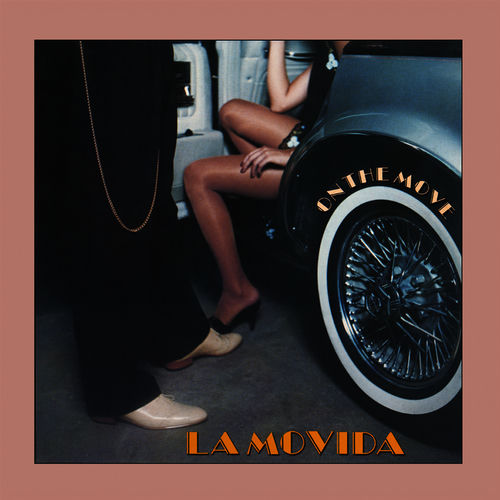
La Movida: The Pioneers of Spanish Synth-Pop
La Movida is a seminal Spanish synth-pop band that emerged from the vibrant cultural renaissance in Madrid following the end of Franco's dictatorship. Hailing from Spain's capital, the group achieved significant commercial success in the 1980s, with their debut album "La Movida" becoming a platinum-selling record that defined a generation and a movement.
Early career
La Movida formed in Madrid in 1981, directly inspired by the explosive, liberating cultural scene that shared its name. The founding members, including vocalist and keyboardist Ana Curra, sought to channel the energy of Madrid's nightlife into a new wave musical project. Their early demos, characterized by minimalist synthesizers and provocative lyrics, quickly garnered attention from the independent label Tres Cipreses.
Breakthrough
The band's breakthrough arrived in 1983 with their self-titled debut album, "La Movida," released under the Hispavox label. The lead single, "Bailando," became an anthem on Spanish radio, propelling the album to the top of the national charts. The record's fusion of electronic beats with Spanish lyrical themes earned a platinum certification, selling over 100,000 copies and cementing the band as leaders of the musical movement they were named after.
Key tracks
Bailando — This infectious debut single broke La Movida into the mainstream, dominating Spanish airwaves in 1983.
Me Gustas Mucho — A defining track that showcased the band's ability to blend catchy pop hooks with darker, more introspective synth textures.
Perdiendo el Control — Featured on their second album, this song highlighted a more polished, dance-oriented production that maintained their cult following.
Noches de Vanguardia — A later career track that demonstrated the group's enduring influence on Spain's electronic music landscape.
Following their initial success, La Movida released several more albums throughout the mid-to-late 1980s, including "Escena" in 1985 and "Electrónico" in 1987. While these works did not match the colossal sales of their debut, they solidified the band's reputation for innovative electronic pop. Ana Curra also engaged in notable collaborations with other figures from the scene, contributing to projects by Alaska and other iconic artists of the era.
Fans of La Movida's brand of Spanish electronic pop often appreciate the work of similar artists from the same period. Alaska y Los Pegamoides were central figures in the same Madrid movement, sharing a punk and new wave ethos. Radio Futura expertly blended rock with synthesizers, becoming another pillar of the post-Franco cultural explosion. Gabinetto Caligari offered a darker, more theatrical take on the Spanish new wave sound that defined the decade.
The music of La Movida maintains a regular presence on radio stations featured on this website, particularly on specialty programs dedicated to 80s nostalgia, synth-pop revivals, and Spanish-language rock history. Listeners can catch their iconic tracks on a variety of independent music radio stations and online rock radio streams that celebrate foundational electronic acts.
La Movida's pioneering synth-pop can be heard on radio stations featured on our website. Listeners can discover or enjoy the defining sounds of this Spanish band through the curated radio stations available on onairium.com.