
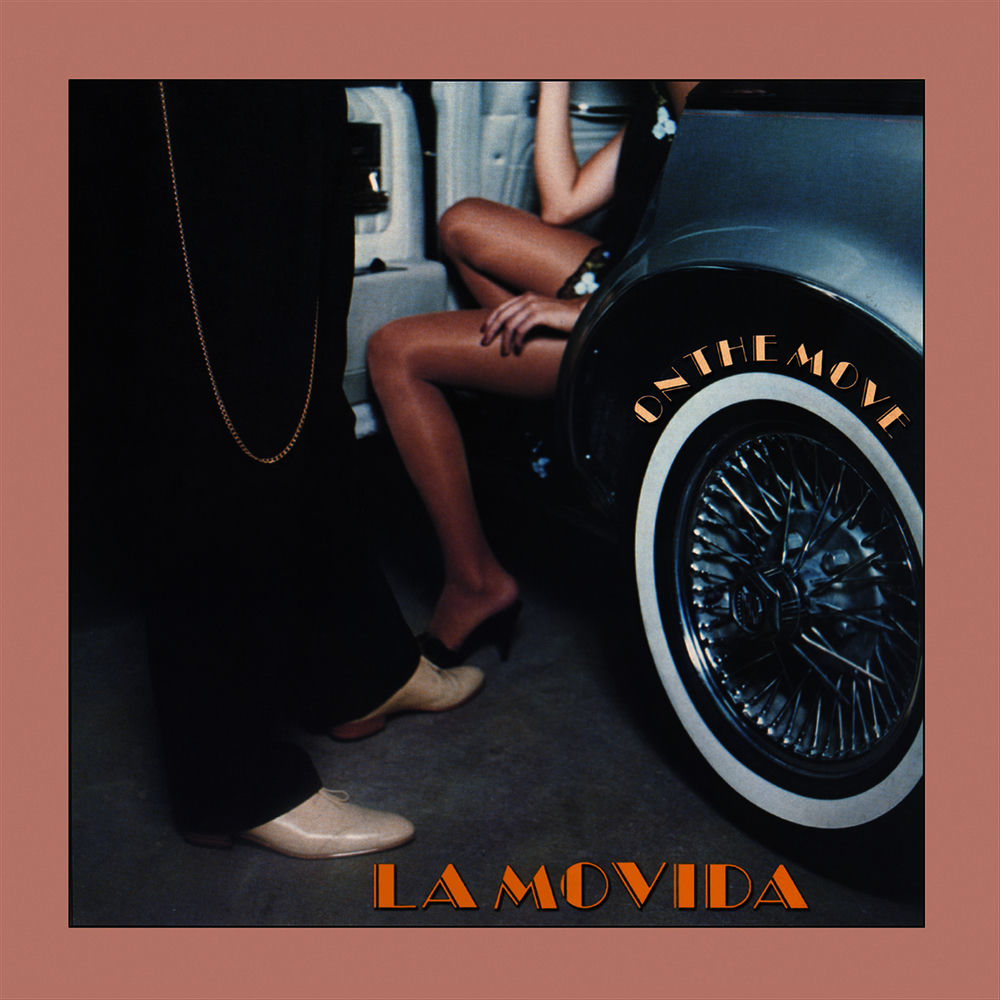
La Movida
La Movida: The Pioneers of Spanish Synth-Pop
La Movida is a Spanish synth-pop and new wave band that emerged from the vibrant cultural explosion in Madrid following the end of Franco's dictatorship. Originating from Spain's capital, the group achieved significant commercial success in the early 1980s, with their debut album reaching gold certification status and spawning several hit singles that defined a generation's sound.
Early career
La Movida formed in Madrid in 1979, directly inspired by the city's burgeoning countercultural movement of the same name. The band's core members, vocalist Ana Curra and multi-instrumentalist Eduardo Benavente, began crafting a distinct sound that fused punk energy with emerging electronic pop. Their first independent single, "No Hay Tiempo," was released in 1981 on the small label Tres Cipreses, quickly gaining traction in underground clubs.
Breakthrough
The band's major breakthrough arrived in 1983 with their debut album, El Acto, released on the major label Hispavox. The lead single, "Miedo," became an anthem on Spanish radio, propelling the album into the national top 20. El Acto was certified gold, selling over 50,000 copies and solidifying La Movida's place at the forefront of the Spanish new wave scene.
Key tracks
Miedo — This breakthrough single captured the anxious energy of the era with its driving synth bass and iconic vocal hook.
No Hay Tiempo — Their raw, early single established their foundational sound and cult following in Madrid's clubs.
Bailando — A later hit from 1985 that showcased a more polished, dance-oriented production style.
El Día Después — A key track from their second album noted for its atmospheric synthesizers and melancholic lyrics.
Following their initial success, La Movida released their sophomore album, En Tus Manos, in 1985, which saw them experimenting with darker, more complex arrangements. The band collaborated with renowned producer Nick Patrick on several tracks, aiming for a more international sound. Despite internal tensions and shifting musical trends, they managed one final album in 1987 before disbanding, leaving behind a compact but influential catalog.
Fans of La Movida's distinctive Spanish electronic pop should also explore similar artists from the era. Alaska y Los Segredos shared the same Madrid scene and a knack for catchy, rebellious pop. Radio Futura blended new wave with rock and Latin rhythms, achieving massive national success. Gabinete Caligari offered a more theatrical and lyrical approach within the same post-punk and synth-pop landscape.
La Movida's music remains a staple on classic Spanish rock and 80s retro FM stations, as well as on specialized online radio streams dedicated to new wave and post-punk genres. Independent music radio stations frequently feature their tracks in historical segments about Spain's democratic transition, recognizing their cultural impact beyond just music.
Listeners can discover the pioneering synth-pop of La Movida on radio stations featured across our network. You can hear their essential tracks, from "Miedo" to "Bailando," by tuning into the various Spanish and international rock stations available on onairium.com.
