


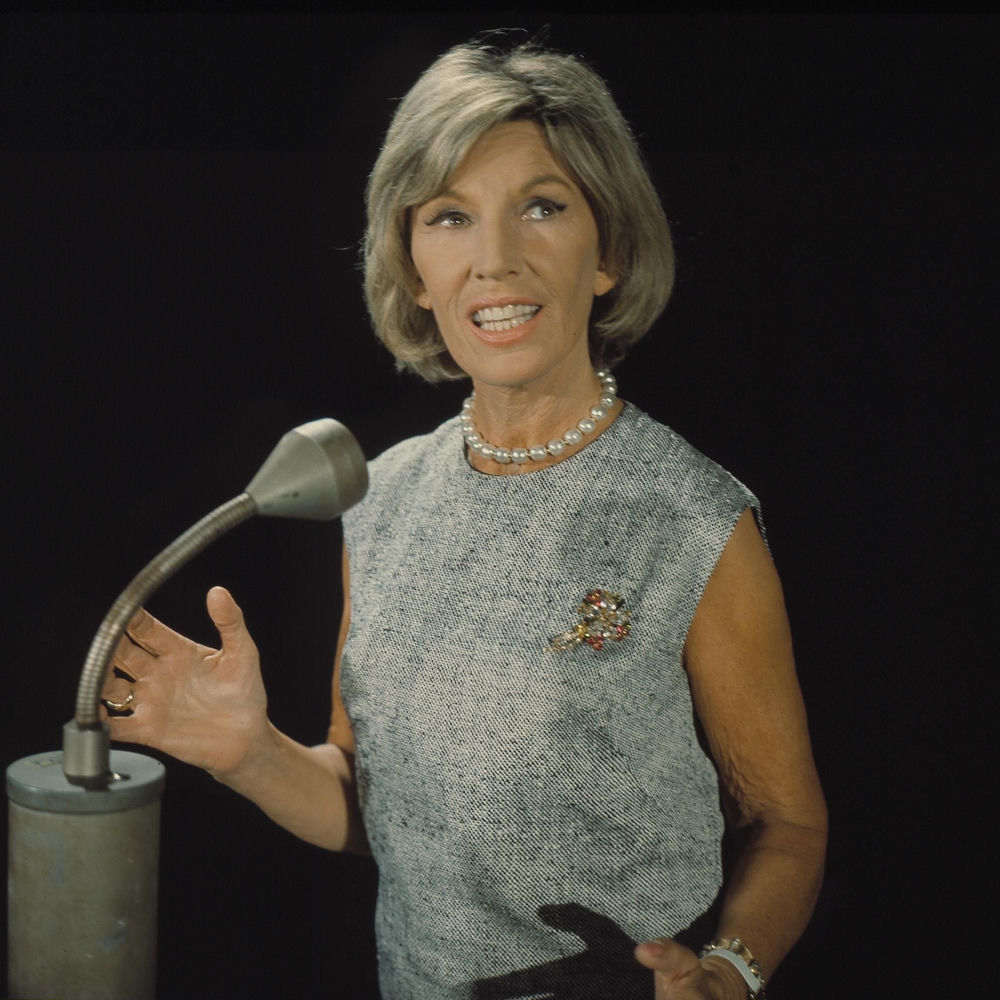


Lale Andersen: The Voice of German Chanson and Schlager
Lale Andersen was a German singer and actress whose career spanned several decades, leaving an indelible mark on European music. Her most monumental achievement was the global phenomenon "Lili Marleen," a recording that became an unlikely anthem for soldiers on all sides during World War II and sold millions of copies worldwide.
Early career
Born in 1905 in Lehe (now part of Bremerhaven), Lieselotte Helene Berta Bunnenberg began her artistic life on the stage. She worked as an actress and cabaret performer in the late 1920s and 1930s, adopting the stage name Lale Andersen. Her first notable recording contract came with the German label Electrola in 1939, setting the stage for her historic breakthrough.
Breakthrough
Andersen's career was forever changed in 1939 with her recording of "Lied eines jungen Wachtpostens," better known as "Lili Marleen." Originally a poem from World War I set to music in the 1930s, her haunting, intimate rendition for Electrola resonated deeply. The song's massive popularity, broadcast nightly by German forces radio from Belgrade, transcended battle lines and became a worldwide hit, reportedly selling millions of copies.
Key tracks
Lili Marleen — This is the definitive recording that catapulted Andersen to international fame and remains one of the most iconic songs of the 20th century.
Ein Schiff wird kommen — Later in her career, Andersen scored another major hit with this German version of the Greek song "Never on Sunday," proving her lasting appeal.
Die Möwe — A beautiful and melancholic chanson that showcased her signature, emotive vocal style and connection to maritime themes.
Unter der roten Laterne von St. Pauli — This song highlighted her strong association with the port city of Hamburg and its vibrant, sometimes wistful musical spirit.
Following the war, Andersen continued to record and perform, navigating the complex legacy of her signature song. She represented Germany in the 1961 Eurovision Song Contest with "Einmal sehen wir uns wieder," placing a respectable 13th. She remained a respected figure in German Schlager and chanson until her death in 1972, releasing albums on labels like Polydor.
Fans of Lale Andersen's timeless German vocal style and emotive delivery also enjoy the music of Marlene Dietrich. Dietrich similarly blended cabaret, chanson, and a deep, expressive vocal presence. Hildegard Knef shared Andersen's artistic depth and skill in interpreting poignant, story-driven songs. Heintje represents another pillar of classic German Schlager music with massive commercial success. For listeners drawn to nostalgic European folk-pop, Zarah Leander offers a similarly powerful and dramatic vocal approach from the same era.Lale Andersen's classic recordings maintain a steady presence on radio stations dedicated to European nostalgia, historical pop, and German-language music. Her songs are staples on curated programs focusing on 20th-century classics, wartime music history, and the golden age of Schlager across various FM and online radio streams.
You can discover the enduring music of Lale Andersen by tuning into the classic German and European nostalgia radio stations featured right here on onairium.com. Our platform offers direct access to stations that regularly feature her timeless recordings in their rotation.
