Le Orme: Italy's Pioneers of Symphonic Prog
Le Orme are an Italian progressive rock band that formed in the late 1960s. Hailing from Marghera, near Venice, they became one of the most successful and influential acts of the Italian progressive rock scene, known for their complex compositions and melodic sensibility.
Early career
The band's origins trace back to 1966, initially performing under names like Le Orme and I Wild Ones, playing a mix of beat and psychedelic pop covers. Their early sound was influenced by British and American rock, but they soon began to develop a more distinctive, classically-influenced direction. Their first single, "Fiori e Colori," was released in 1969, signaling their move towards more ambitious musical structures.
Breakthrough
Le Orme's true breakthrough came in the early 1970s with a series of albums that defined Italian symphonic prog. The 1973 album Felona e Sorona, a concept album about two opposing planets, is widely considered their masterpiece. Its success was solidified by an English-language version with lyrics by Peter Hammill of Van der Graaf Generator, introducing their music to an international progressive rock audience.
Key tracks
Felona e Sorona - The title track from their landmark 1973 concept album showcases their blend of melodic keyboards, intricate arrangements, and atmospheric storytelling.
Gioco di bimba - An earlier hit from 1970, this song marked their transition from psychedelic pop to a more refined progressive style, featuring memorable melodies and sophisticated instrumentation.
L'equilibrio - A key track from the 1974 album Contrappunti, it demonstrates the band's tight musicianship and their ability to weave complex musical themes into accessible compositions.
Sospesi nell'incredibile - From the 1972 album Uomo di pezza, this epic piece solidified their reputation for creating immersive, symphonic soundscapes.
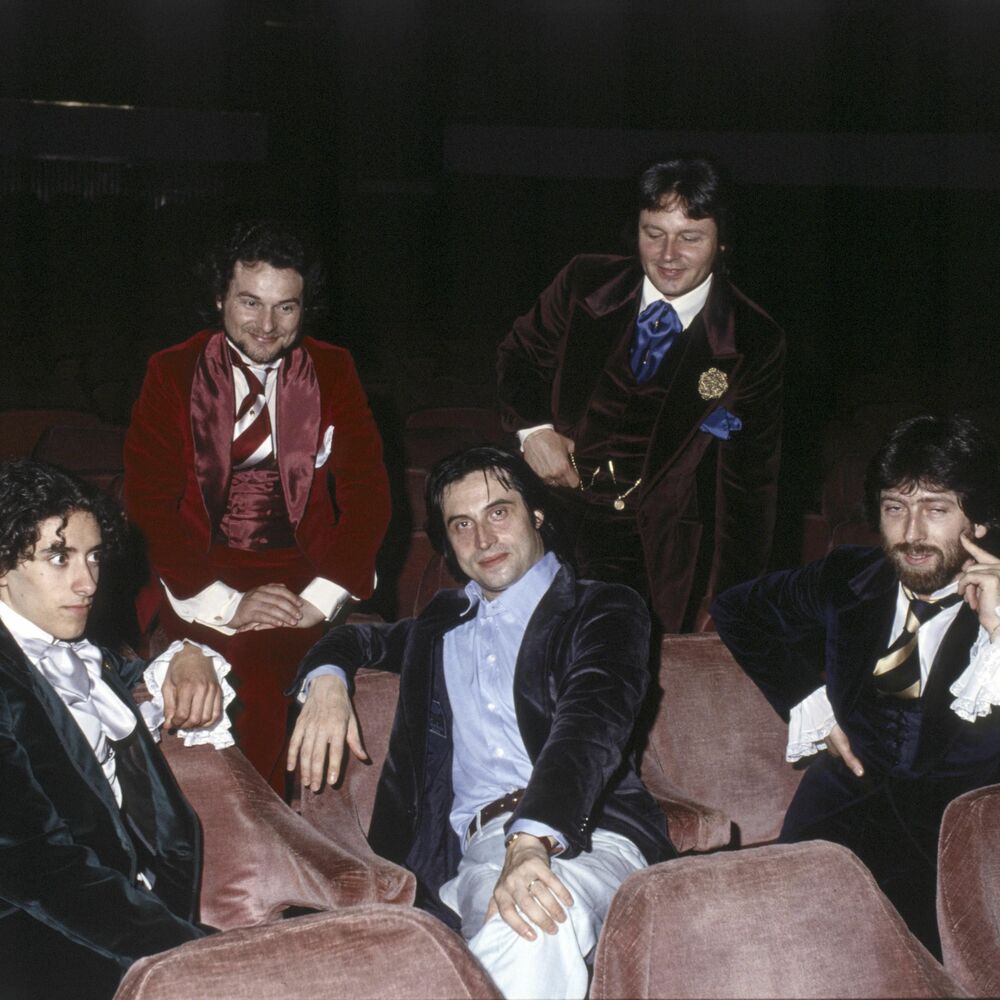
The band's classic lineup, featuring Aldo Tagliapietra (bass, vocals), Toni Pagliuca (keyboards), and Michi Dei Rossi (drums), drove their most celebrated work throughout the 1970s. After a period of hiatus and exploration into more pop-oriented rock in the 1980s, Le Orme returned to their progressive roots in subsequent decades, continuing to record and perform for a dedicated fanbase.
Fans of Le Orme's intricate and melodic style of progressive rock may also appreciate other seminal Italian acts from the same era. Premiata Forneria Marconi shared the stage with Le Orme as fellow pioneers of the Italian progressive movement. Banco del Mutuo Soccorso offered a similarly complex and classically-influenced take on the symphonic prog genre. The music of Goblin, while often venturing into darker, film-score territories, operates within the same rich tradition of Italian instrumental prowess.