Lene Lovich
Type: Person
 Mauritius
Mauritius
Listen on radio stations:
Lene Lovich: The Art Pop Pioneer of New Wave
Lene Lovich is a British-American singer-songwriter and a distinctive voice in the late 1970s and 1980s new wave scene. Known for her eccentric vocal style and striking visual aesthetic, she achieved chart success with her quirky debut single "Lucky Number," which became a defining track of the era.
Early career
Born in Detroit, Michigan in 1949, Lene Lovich moved to England in her teens. Her early artistic pursuits included performance art and work as a session musician, including a stint with the band The Diversions. Her break into recording came when she provided vocals for a 1978 flexi-disc single by the band The Radio, which caught the attention of the fledgling Stiff Records label.
Breakthrough
Lovich's major breakthrough arrived in 1978 with the release of her debut single "Lucky Number" on Stiff Records. The song's infectious energy, driven by a prominent saxophone riff and Lovich's unique vocal delivery, propelled it to number 3 on the UK Singles Chart in early 1979. This success led to the rapid release of her debut album, Stateless, later that same year, which also charted in the UK.
Key tracks
Lucky Number - This debut single remains her signature song, a new wave classic that broke into the UK Top 5 and established her theatrical style.
Say When - Another single from her debut album, it showcased her ability to blend pop sensibilities with avant-garde art rock influences.
New Toy - This 1981 single was written by then-unknown Thomas Dolby, highlighting Lovich's connection to other innovative figures in the electronic and new wave genres.
Bird Song - A track from her second album Flex, it exemplifies her exploration of unconventional themes and sounds within a pop framework.
It's You, Only You (Mein Schmerz) - This later single demonstrated the enduring, dramatic quality of her vocal performance and songwriting.
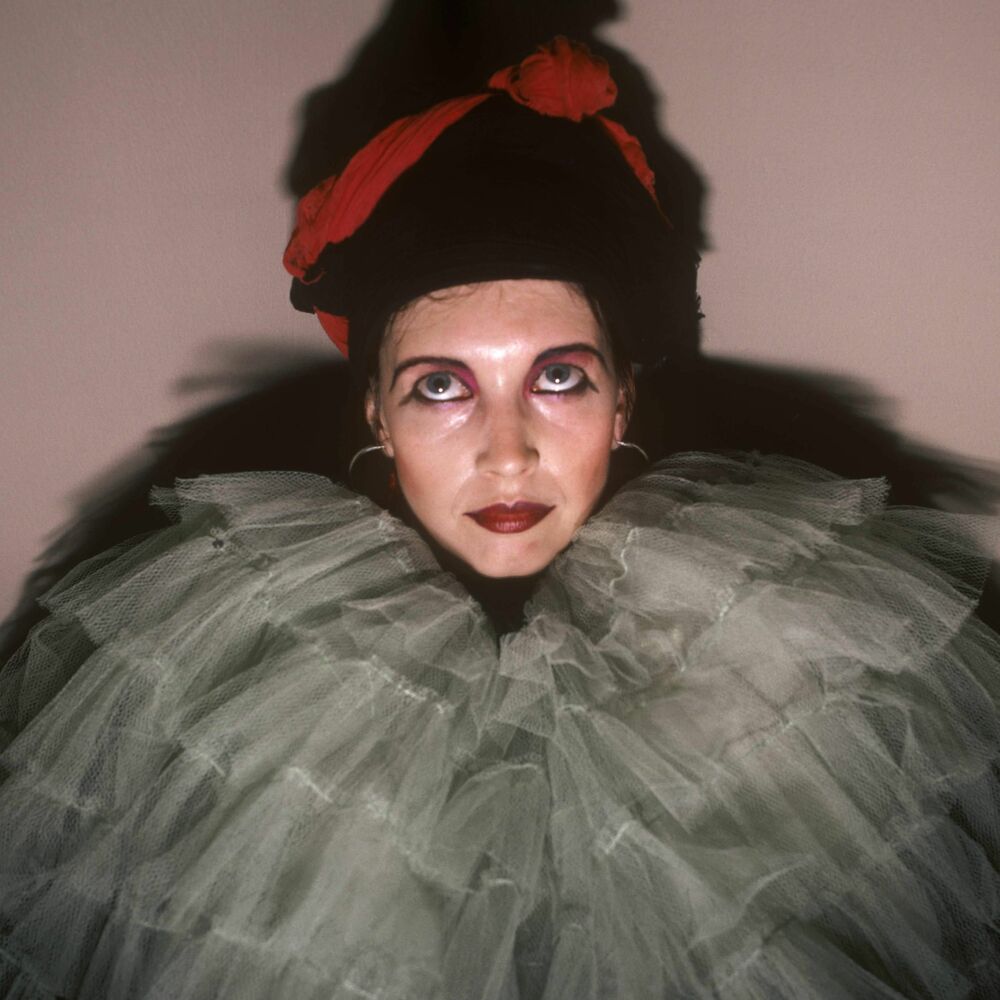
Following her initial success, Lene Lovich released several more albums on Stiff Records, including Flex (1980) and No Man's Land (1982). Her music and persona, characterized by her long plaited hair and dramatic makeup, made her a memorable figure on television shows like Top of the Pops. While her chart presence in the US was more modest, she cultivated a dedicated cult following, particularly within the alternative and post-punk circuits.
Her work in the 1980s solidified her status as an art pop innovator. After a hiatus, she returned to recording and performing in the late 1980s and has continued to make occasional music, with her influence acknowledged by later alternative artists. Lovich's legacy is that of a fearless individualist who merged pop, rock, and performance art at the dawn of the new wave movement.
Fans of Lene Lovich's distinctive art pop style may also appreciate the work of Kate Bush for her similarly theatrical and unconventional approach to songwriting. The quirky new wave energy of Talking Heads shares a creative spirit with Lovich's work. Listeners might also explore the music of Siouxsie and the Banshees, who blended punk attitude with dark, artistic presentation. The innovative pop of Thomas Dolby, who collaborated with Lovich, offers another point of entry into this creative era.
The music of Lene Lovich, with its unique blend of art rock and new wave, continues to be featured on specialty radio formats that celebrate alternative 80s music and pioneering art pop. Her tracks are staples on stations dedicated to post-punk and new wave retrospectives, ensuring her distinctive voice reaches new generations of listeners.
You can discover the unique sound of Lene Lovich by tuning into the art pop and new wave radio stations available on onairium.com, where her classic hits and cult favorites remain in regular rotation.
Similar artists