Léo Ferré
Type: Person
 Africa
Africa
Listen on radio stations:
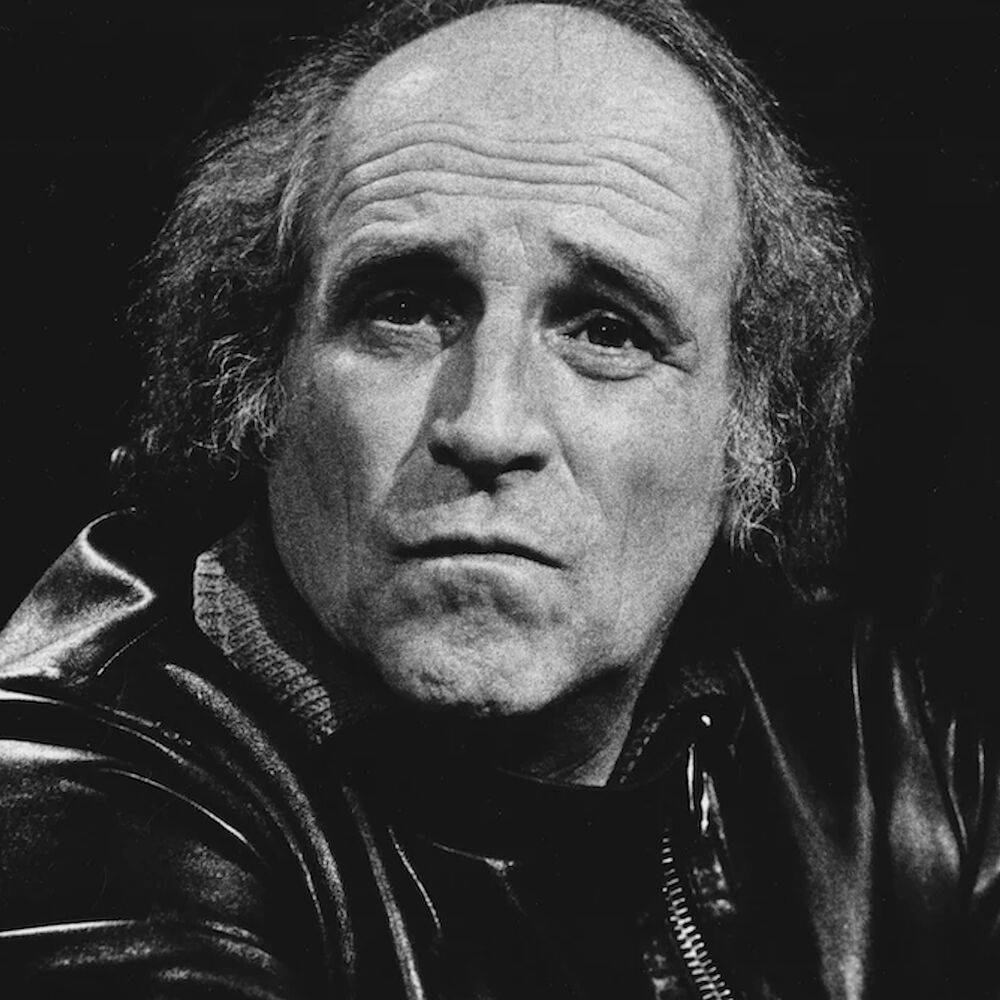
Léo Ferré: The Anarchic Poet of French Chanson
Léo Ferré was a French-Monegasque singer-songwriter, poet, and composer, widely regarded as one of the most influential and prolific figures in the genre of French chanson. From his base in Monaco and later in Italy, he crafted a vast catalog that blended lyrical poetry with musical arrangements ranging from piano-accompanied ballads to full orchestral and later rock-influenced works, leaving a profound mark on francophone music.
Early Career
Born in Monaco in 1916, Léo Ferré studied law and music before beginning his performing career in the Parisian cabarets of the late 1940s. His early recordings, such as those for the Le Chant du Monde label, established his signature style: a focus on dense, poetic texts delivered with a distinctive, often raw vocal style that challenged the more polished chanson of the era.
Breakthrough
Ferré's artistic and commercial breakthrough came in the early 1960s following a series of legendary concerts at the Alhambra music hall in Paris and his association with the prestigious label Barclay. His 1960 album "Les Chansons d'Aragon" and subsequent works like "Ferré 64" saw him gain a massive audience, solidifying his status as a leading voice of poetic and socially engaged songwriting in France.
Key Tracks
Avec le temps - This 1970 ballad stands as his most famous and enduring song, a poignant meditation on the passage of time and faded love that remains a standard of French music.
C'est extra - A track from his successful 1969 album of the same name, it showcases his ability to craft catchy, philosophically tinged pop within the chanson framework.
Jolie Môme - This earlier song became an anthem of sorts and demonstrated his skill for character portraits and melodic invention.
Les Anarchistes - A direct musical manifesto that perfectly encapsulates Ferré's lifelong libertarian and anarchist political convictions.
Throughout the 1970s, Léo Ferré surprised many by embracing rock instrumentation, collaborating with the progressive rock group Zoo for several albums, including "Il n'y a plus rien" (1973). This period expanded his sound and appealed to a younger generation, proving his constant artistic evolution. He continued to write, record, and perform tirelessly until his death in 1993, leaving behind a monumental body of work that includes hundreds of songs, poems, and several orchestral compositions.
Similar artists who explore the depth of lyric-driven French music include Jacques Brel, another monumental figure in chanson known for his intense theatrical delivery. Georges Brassens shares Ferré's poetic precision and wit, though with a more acoustic, folk-oriented style. Serge Gainsbourg operated in a parallel universe of genre-blending and lyrical provocation. The work of Barbara also represents the pinnacle of the French singer-songwriter tradition with deeply personal narratives.
The music of Léo Ferré maintains a constant presence on radio stations dedicated to classic French music, singer-songwriter genres, and cultural programming. His vast discography ensures that his voice and poetry continue to reach listeners through various broadcast formats.
Listeners can discover the extensive catalog of Léo Ferré through the radio stations featured on this website, where his iconic contributions to chanson française are regularly celebrated and played.
Similar artists