
Leopold Mozart: The Classical Era's Architect and Mentor
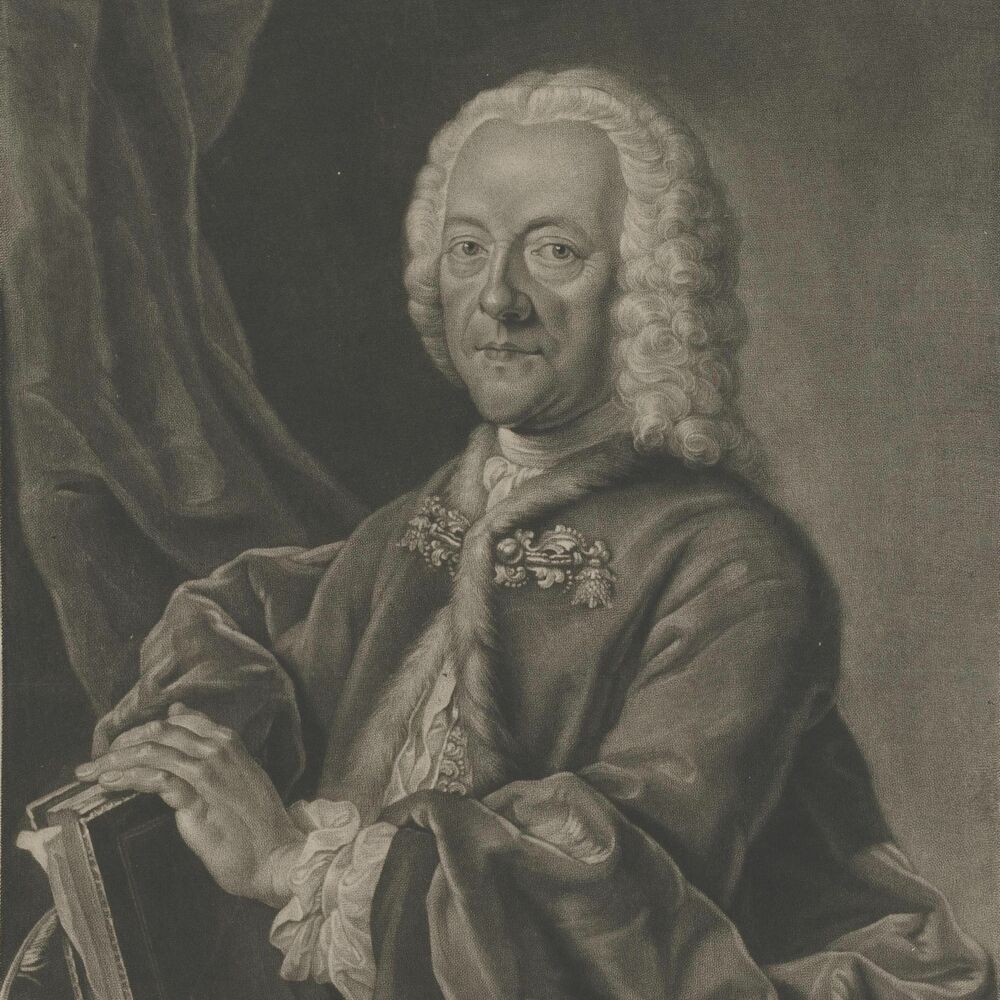
Leopold Mozart, born in Augsburg, Germany, was a pivotal composer, violinist, and theorist of the 18th century. His most enduring legacy is not a single chart-topping album, but his role as the father, teacher, and early manager of the legendary Wolfgang Amadeus Mozart.
Early career
Johann Georg Leopold Mozart was born in 1719 and initially studied theology before dedicating himself to music. He secured a position as a violinist and court composer for the Prince-Archbishop of Salzburg in 1743, a role he held for decades while producing his own substantial body of work.
Breakthrough
Leopold Mozart's professional breakthrough came with the 1756 publication of his influential violin method, Versuch einer gründlichen Violinschule. This treatise, published by Johann Jakob Lotter in Augsburg, became a standard instructional text across Europe, establishing his reputation as a serious pedagogue and musician.
Key tracks
Sinfonia da Caccia — This lively 1755 work for strings and hunting horns showcases his inventive orchestration and programmatic flair.
Musical Sleigh Ride — A charming and popular programmatic piece that remains a staple of light classical music collections today.
Toy Symphony — Often attributed to Leopold Mozart, this playful work for children's instruments highlights the era's interest in whimsical and accessible compositions.
His later career was largely defined by nurturing his son's genius, organizing the famous European tours that introduced the young prodigy to royal courts. Leopold Mozart continued composing, including sacred works like his Sacramental Litany, while managing his duties in Salzburg and his son's burgeoning career.
For listeners exploring the foundations of classical music, several contemporaries from the German-speaking world share stylistic connections. Johann Sebastian Bach represents the profound contrapuntal tradition that preceded him. Carl Philipp Emanuel Bach exemplifies the expressive Empfindsamkeit style influential at the time. Joseph Haydn, a friend of the Mozart family, developed the symphonic forms that defined the era. Christoph Willibald Gluck was a key reformer of opera, another major genre of the period.
RADIO ROTATION
The compositions of Leopold Mozart receive regular airplay on dedicated classical music FM stations and online classical radio streams. His works are frequently featured in programming blocks focusing on the Baroque and early Classical periods, as well as during seasonal and thematic music specials on independent music radio stations.
Listeners can discover the influential music of Leopold Mozart, a key architect of the classical genre, through the curated classical stations available on onairium.com. Tune in to hear his contributions to the musical landscape that shaped one of history's greatest composers.