Letta Mbulu
 South Africa
Listen Letta Mbulu on radio stations:
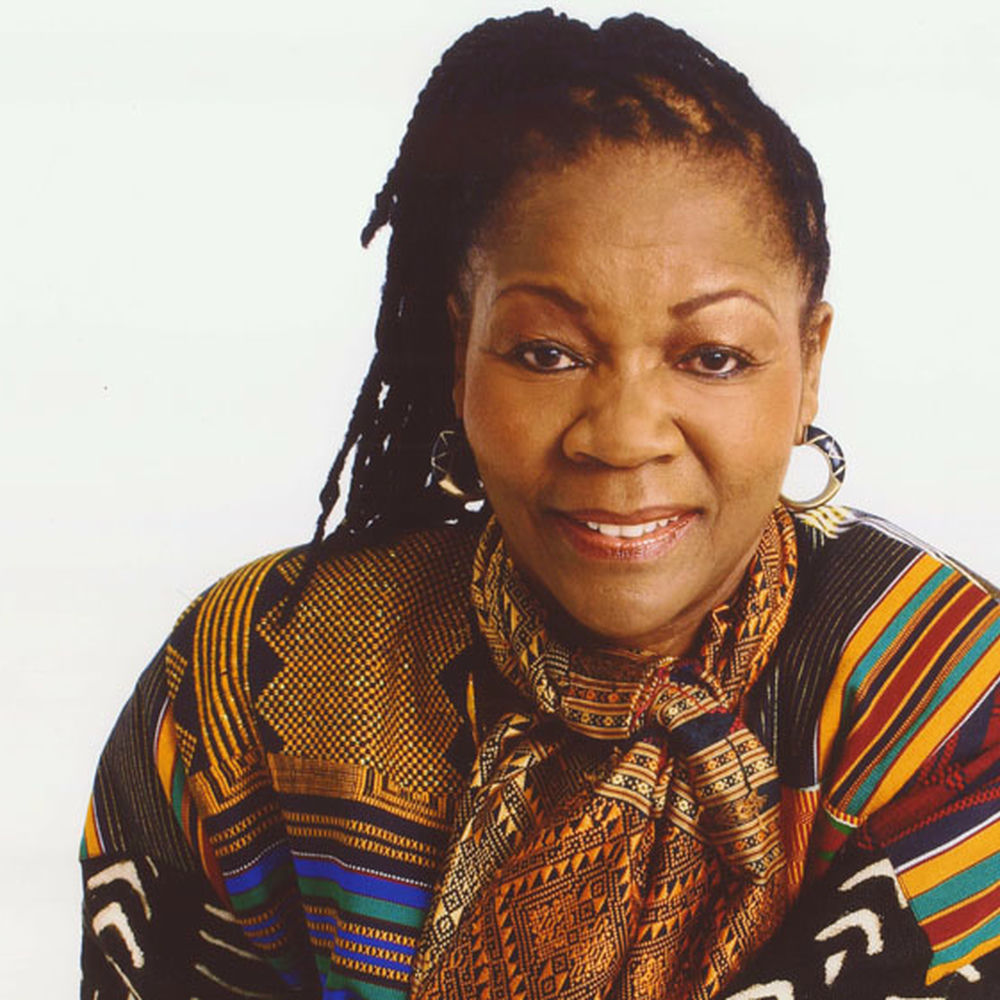
Letta Mbulu: The Voice of South African Jazz and Soul
Letta Mbulu is a pioneering South African vocalist whose career spans over five decades, blending jazz, soul, and traditional African sounds. Hailing from Soweto, her international breakthrough came with the 1980 hit What's Wrong With Groovin', cementing her status as a global ambassador for South African music.
Early career
Born in 1942 in Soweto, Letta Mbulu began singing professionally in the late 1950s with the musical King Kong. In 1965, following the increasing restrictions of apartheid, she and her husband, musician Caiphus Semenya, went into exile in the United States. There, she was quickly embraced by the American jazz scene, recording her debut album, Letta Mbulu Sings, for the Capitol label in 1967.
Breakthrough
Mbulu's defining commercial moment arrived in 1980 with the release of the album Letta Mbulu on the A&M Records label. The lead single, What's Wrong With Groovin', became a dance floor staple, receiving heavy radio play and propelling the album to a wider international audience. This period solidified her signature sound—a seamless fusion of South African rhythms with American soul and jazz.
Key tracks
What's Wrong With Groovin' — This 1980 single remains her most recognizable track, a defining anthem of the disco and boogie era.
There's Music in the Air — Featured on the 1973 album Naturally, this song showcases her powerful voice over a vibrant blend of jazz and mbaqanga.
Mahlalela — A deeply soulful track from her 1976 album In the Music...The Village Never Ends that highlights her roots in traditional South African music.
Kilimanjaro — An instrumental track she co-wrote, which gained massive exposure as the theme for the 1987 film The Cosby Show spin-off A Different World.
Down by the River — A joyful, rhythmic song that exemplifies her ability to create uplifting and danceable Afro-soul.
Her career is marked by significant collaborations, most notably with Harry Belafonte, who featured her in his ensemble, and with producer Stewart Levine. She contributed vocals to Michael Jackson's Liberian Girl from his 1987 album Bad. Following the end of apartheid, Letta Mbulu returned to South Africa and continued to record, including the 1996 album Not Yet Uhuru.
Fans of Letta Mbulu's rich vocal style and fusion of African rhythms with jazz should also explore Miriam Makeba, her compatriot and fellow exile who popularized South African music globally. The work of Caiphus Semenya, her husband and longtime collaborator, shares the same musical vision. For another dimension of South African jazz, listen to Hugh Masekela, the legendary trumpeter who also blended local styles with international jazz.
The timeless sound of Letta Mbulu maintains a strong presence on radio, particularly on world music stations, classic soul channels, and specialty jazz programs. Her music is a staple on stations celebrating African heritage and global fusion genres, ensuring her voice reaches new generations of listeners.
You can hear the enduring music of Letta Mbulu on radio stations featured right here on onairium.com. Tune in to discover her influential catalog and experience the powerful blend of South African soul and jazz that defines her legendary career.