Lew Stone & His Band
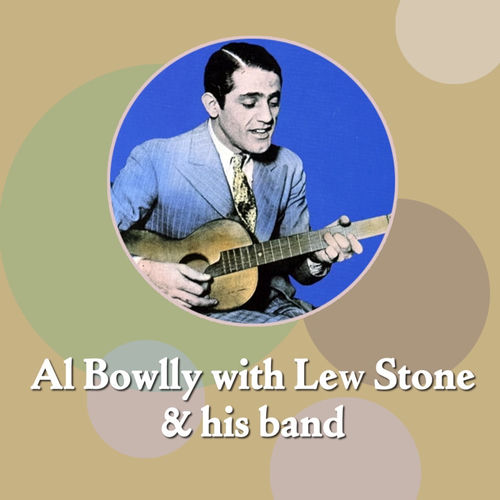
Lew Stone & His Band: Pioneers of British Dance Band Music
Lew Stone was a British pianist, arranger, and bandleader who became a central figure in the UK's vibrant dance band scene of the 1930s. His orchestra, famed for its sophisticated arrangements and polished performances, achieved major success through radio broadcasts, recordings, and residencies at top London venues, leaving an indelible mark on pre-war popular music.
Early career
Born in London in 1898, Lew Stone began his professional musical life as a pianist and arranger. His big break came in 1928 when he joined the popular band led by Bert Ambrose, initially as a pianist before becoming the chief arranger, where he honed the precise, stylish sound that would define his own work.
Breakthrough
Stone's breakthrough occurred in 1932 when he took over the leadership of the band at London's prestigious Monseigneur Restaurant. This residency, coupled with regular BBC radio broadcasts, propelled him to national fame. His early recordings for Decca, such as the hit You're Blasé, cemented his reputation for elegant, jazz-inflected dance music.
Key tracks
You're Blasé — This 1931 recording, featuring vocalist Al Bowlly, became a signature tune and a major hit, showcasing the band's smooth, urbane style.
By the Fireside — Another popular Bowlly collaboration, this song exemplified the romantic, intimate mood music that was a staple of the band's repertoire.
Nightfall — An instrumental showcase that highlighted Stone's talents as a sophisticated arranger and the band's tight musicianship.
The Clouds Will Soon Roll By — This 1932 recording with Bowlly remains one of the most enduring and recognizable songs from the British dance band era.
The band's success continued throughout the decade with a prolific output of 78rpm records for Decca. Stone was known for featuring top vocalists like Al Bowlly and Sam Browne, and for integrating American swing influences into his arrangements as the decade progressed, keeping his sound contemporary.
Artists operating in a similar sophisticated, dance-oriented British style from the same era include Bert Ambrose, whose band was a direct precursor to Stone's own. Ray Noble also led a celebrated orchestra known for its polished arrangements and Al Bowlly vocals. For the jazz-influenced side of the genre, Nat Gonella brought a hotter, more trumpet-driven sound to the UK scene.
The music of Lew Stone & His Band remains a fixture on dedicated classic jazz and nostalgia radio stations, particularly those specializing in the interwar years. It is regularly featured on programs celebrating the golden age of dance bands and the birth of British popular music broadcasting.
Listeners can explore the timeless sound of Lew Stone & His Band on the curated radio stations available on onairium.com, where his elegant recordings continue to define the spirit of 1930s British dance music.