Lilian Harvey
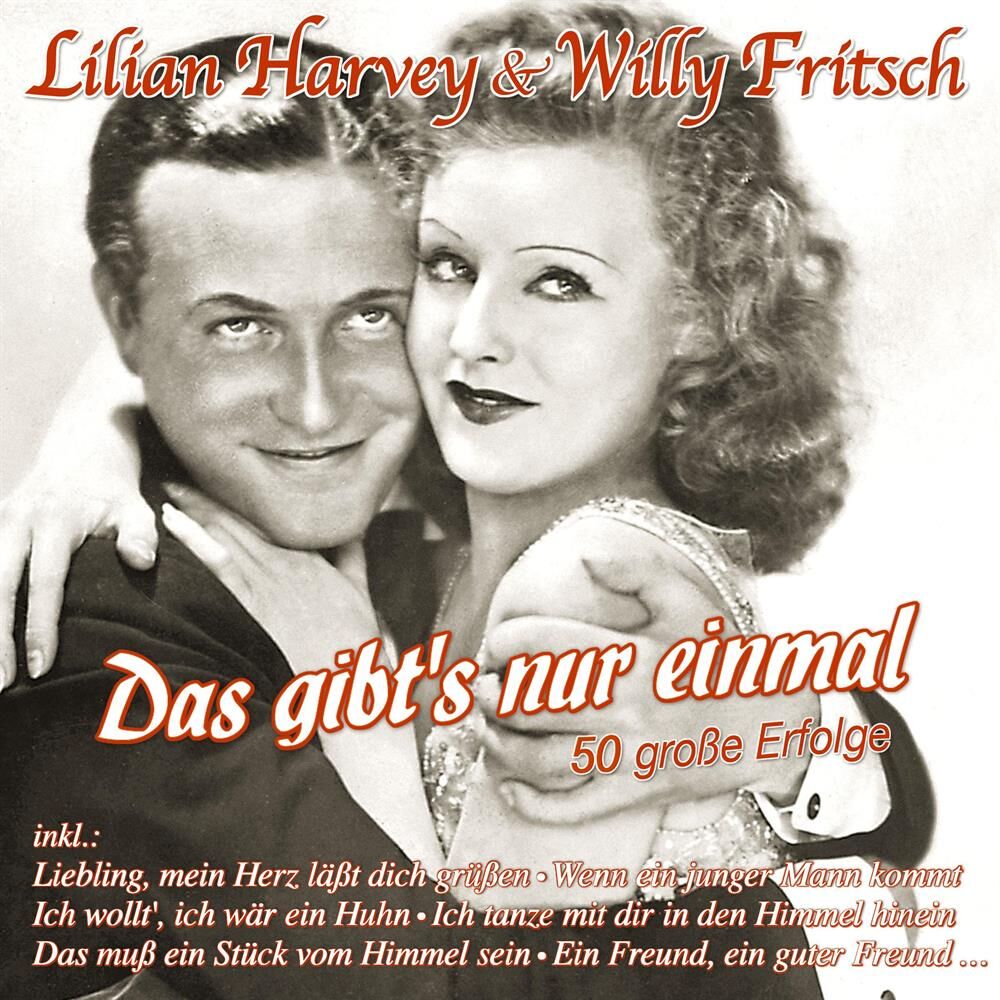
Lilian Harvey: The Shining Star of 1930s German Film Music
Lilian Harvey was a British-born German actress and singer who became one of the most luminous stars of European musical cinema in the 1930s. Her success was cemented through a series of wildly popular operetta films for UFA, Germany's premier film studio, where her charming screen presence and light soprano voice captured the hearts of an international audience.
Early career
Born in London in 1906, Harvey moved to Germany with her family as a child. Her artistic training began with ballet, but she quickly transitioned to acting, making her film debut in 1924. Her early roles were in silent films, but the advent of sound cinema perfectly showcased her musical talents and effervescent personality, leading to her first major singing role in the 1929 film Adieu Mascotte.
Breakthrough
Lilian Harvey's true breakthrough arrived in 1931 with the film Der Kongreß tanzt (The Congress Dances). The movie, a lavish UFA production, was a massive international hit. Its signature song, Das gibt's nur einmal (That Only Happens Once), performed by Harvey, became an instant standard and propelled her to the peak of European stardom, solidifying her partnership with co-star Willy Fritsch as the continent's "dream couple."
Key tracks
Das gibt's nur einmal — This timeless waltz from "Der Kongreß tanzt" is the song most indelibly linked to Harvey's career and the sound of pre-war German film music.
Ich bin die fesche Lola — From the 1931 film "Der blaue Engel," this cheeky number showcased Harvey's rival claim to the role of Lola, ultimately played by Marlene Dietrich, highlighting her star power.
Ein Freund, ein guter Freund — This cheerful duet with Willy Fritsch from the 1930 film "Die Drei von der Tankstelle" epitomized the lighthearted, romantic musical style that defined her most popular work.
Just Once for All Time — The English-language version of her signature hit, recorded for the British and American markets, demonstrated her crossover appeal and multilingual abilities.
Following this peak, Harvey continued to headline successful UFA musicals like Ein blonder Traum (1932) and Glückskinder (1936). Her fame was such that she was lured to Hollywood by 20th Century Fox in 1935, though her American films failed to replicate her European success. Political tensions in Nazi Germany led her to leave in 1939, and her film career gradually wound down after World War II, though she remained a beloved figure.
Fans of Lilian Harvey's blend of melodic charm and cinematic glamour should also explore the work of other artists from the German film and schlager scene. Marlene Dietrich offered a more sultry and dramatic vocal style in film music from the same era. Zarah Leander became the dominant musical film star in Germany during the late 1930s with her powerful contralto voice. For the light operetta tradition, listen to Johannes Heesters, a Dutch tenor and actor who was a major star in German-language musical film and theatre for decades.
Lilian Harvey's classic film songs remain in steady rotation on dedicated radio formats. Her music is a staple on stations focusing on vintage soundtracks, historical pop, and classic European schlager, ensuring her voice continues to reach new generations of listeners.
The timeless film music of German-British star Lilian Harvey can be heard on radio stations featured on our website. Listeners can discover her charming catalog through the classic film and historical pop stations available on onairium.com.