Little Brother Montgomery
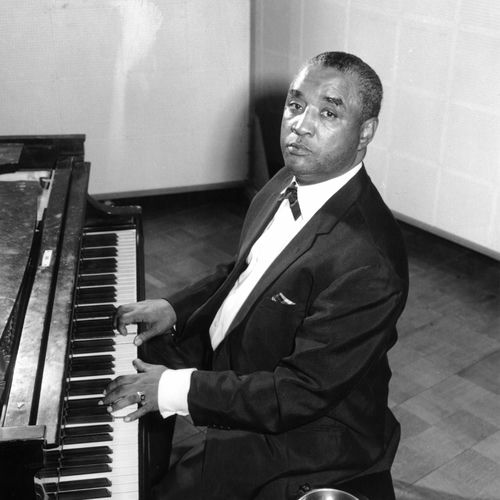
Little Brother Montgomery: The Pioneering Blues and Boogie-Woogie Pianist
Little Brother Montgomery was a foundational American blues pianist and singer whose career spanned over five decades. Hailing from Kentwood, Louisiana, his prolific recording history and influential piano style left an indelible mark on the Chicago blues scene and the broader genre.
Early career
Born Eurreal Wilford Montgomery in 1906, he was a self-taught musical prodigy who began playing professionally in his early teens throughout the American South. His first recordings, including the seminal "Vicksburg Blues" and "No Special Rider Blues," were made for Paramount Records in 1930, capturing his distinctive, rolling piano technique for posterity.
Breakthrough
Montgomery's relocation to Chicago in 1942 marked a major turning point, aligning him with the burgeoning post-war blues movement. While he recorded for various labels like Bluebird and Aristocrat, his 1950s work for Specialty Records, including the album Tasty Blues, solidified his reputation as a master of blues and boogie-woogie piano, earning him a dedicated national following.
Key tracks
Vicksburg Blues — This 1930 recording became his signature tune and a standard of the country blues piano repertoire.
No Special Rider Blues — Another early Paramount side that showcased his complex, rhythmic left-hand patterns.
Shreveport Farewell — A classic example of his storytelling prowess and melancholic piano style.
Farish Street Jive — A later, upbeat instrumental highlighting his virtuosic boogie-woogie chops.
He continued to record and perform extensively through the 1960s and 1970s, appearing on albums for labels like Atlantic and Delmark and becoming a staple of the American folk and blues festival circuit. His influence was widely acknowledged by the next generation of Chicago bluesmen.
Artists like Otis Spann carried Montgomery's piano tradition forward within the Chicago blues sound. The foundational work of Sunnyland Slim shares a similar deep, percussive piano approach rooted in the South. For the pure boogie-woogie drive he often employed, listen to Meade Lux Lewis. The vocal and piano style of Roosevelt Sykes also operates in the same classic blues vein.
Little Brother Montgomery's catalog remains a fixture on dedicated blues radio stations and specialty programs. His music is regularly featured on stations focusing on classic blues history, early jazz influences, and the roots of American piano music, keeping his legacy alive for new audiences.
You can hear the essential blues and boogie-woogie of Little Brother Montgomery on radio stations featured on our website. Explore the artists and genres that shaped American music by tuning into the radio stations available on onairium.com.