
Little Brother Montgomery: Pioneering Blues and Boogie-Woogie Pianist
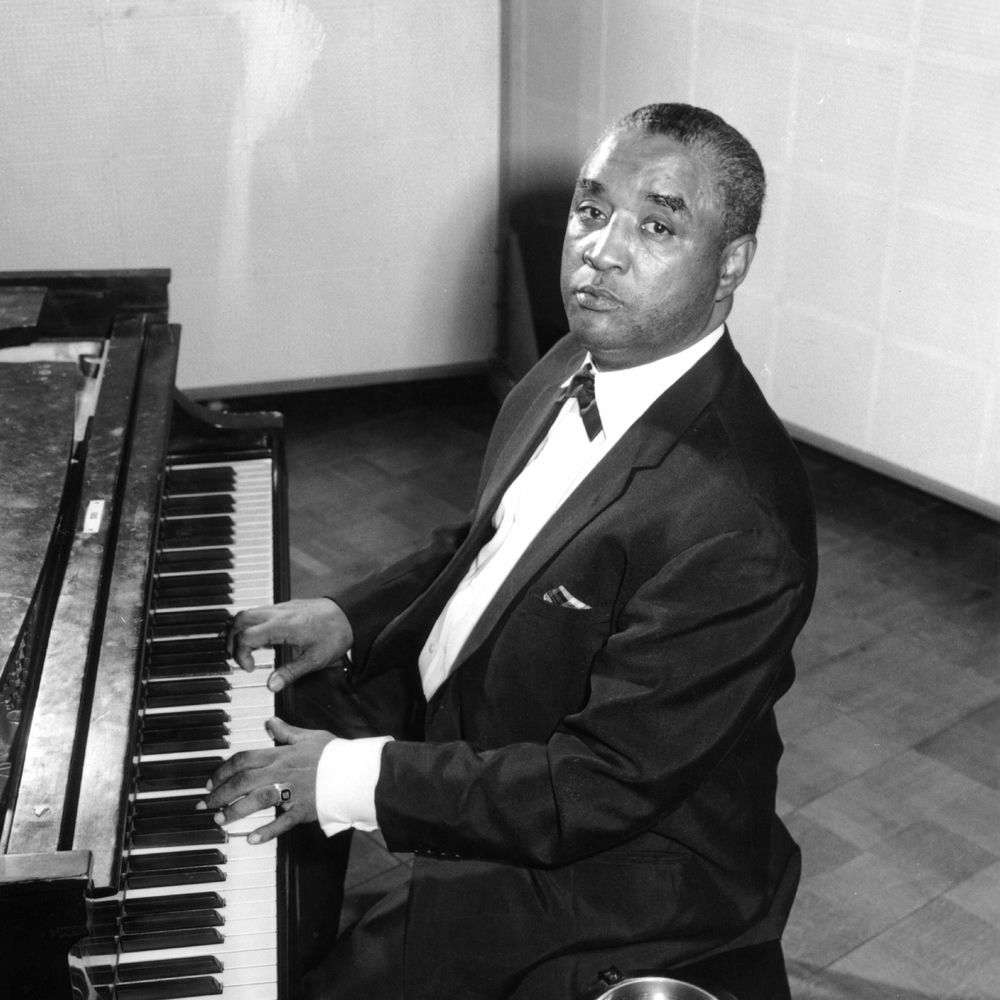
Euron "Little Brother" Montgomery was a foundational American blues pianist and singer whose career spanned over five decades. Hailing from Kentwood, Louisiana, his prolific recording history and influential piano style left an indelible mark on the genre, with songs like Vicksburg Blues becoming enduring standards.
Early career
Born in 1906, Montgomery was a self-taught musical prodigy who began playing piano professionally in his early teens throughout the Mississippi Delta and Louisiana. His first recordings, including the seminal Vicksburg Blues and No Special Rider Blues, were made for Paramount Records in 1930, capturing his distinctive, rolling piano technique and mournful vocal delivery.
Breakthrough
While his 1930s recordings were regionally successful, Montgomery's true breakthrough into a wider national audience came after his relocation to Chicago in 1942. He became a central figure in the city's post-war blues scene, recording for labels like Bluebird, Victor, and later, Specialty Records, where his music reached a new generation of listeners.
Key tracks
Vicksburg Blues — This 1930 recording became his signature song, widely covered by other artists and a defining piece of early blues piano literature.
Shreveport Farewell — A classic example of his fluid, expressive boogie-woogie style that influenced countless piano players.
Farish Street Jive — A later, upbeat instrumental track showcasing his adaptability and enduring skill during the 1950s Chicago era.
No Special Rider Blues — Another Paramount recording that solidified his reputation as a master of the slow, melancholic blues.
Montgomery continued to record and perform extensively through the 1950s and 1960s, enjoying renewed interest during the American folk blues revival. He recorded albums for prestigious labels like Bluesville and Delmark, and his influence was directly cited by younger blues pianists like Otis Spann. His vast repertoire, estimated at over 400 original songs, ensured his legacy as a walking encyclopedia of blues and early jazz styles.
For fans of the raw, piano-driven sounds of early blues, similar artists include Sunnyland Slim, another Chicago piano great who shared a similar longevity and foundational role. The intricate boogie-woogie of Pinetop Perkins also follows in Montgomery's tradition. Explore the Delta-rooted style of Roosevelt Sykes, known as "The Honeydripper," for a comparable vocal and piano approach. The work of Champion Jack Dupree offers a similarly robust, barrelhouse piano technique born from the same regional influences.
Little Brother Montgomery's music remains a staple on dedicated blues radio stations and online streams, particularly those focusing on classic Delta and Chicago blues traditions. His recordings are frequently featured in programming blocks highlighting the pioneers of boogie-woogie and post-war piano blues, keeping his sound alive for contemporary audiences.
The music of Little Brother Montgomery, a cornerstone of American blues, can be heard on radio stations featured on our website. Listeners can discover his influential catalog through the dedicated blues and roots music stations available on onairium.com.