
Domino Dance 1981
wattwerker is a vibrant radio station that brings a unique blend of music to its audience, focusing on genres like 70s, Rock, Classic Rock, and Electro. Broadcasting in German, this station is designed for music enthusia…
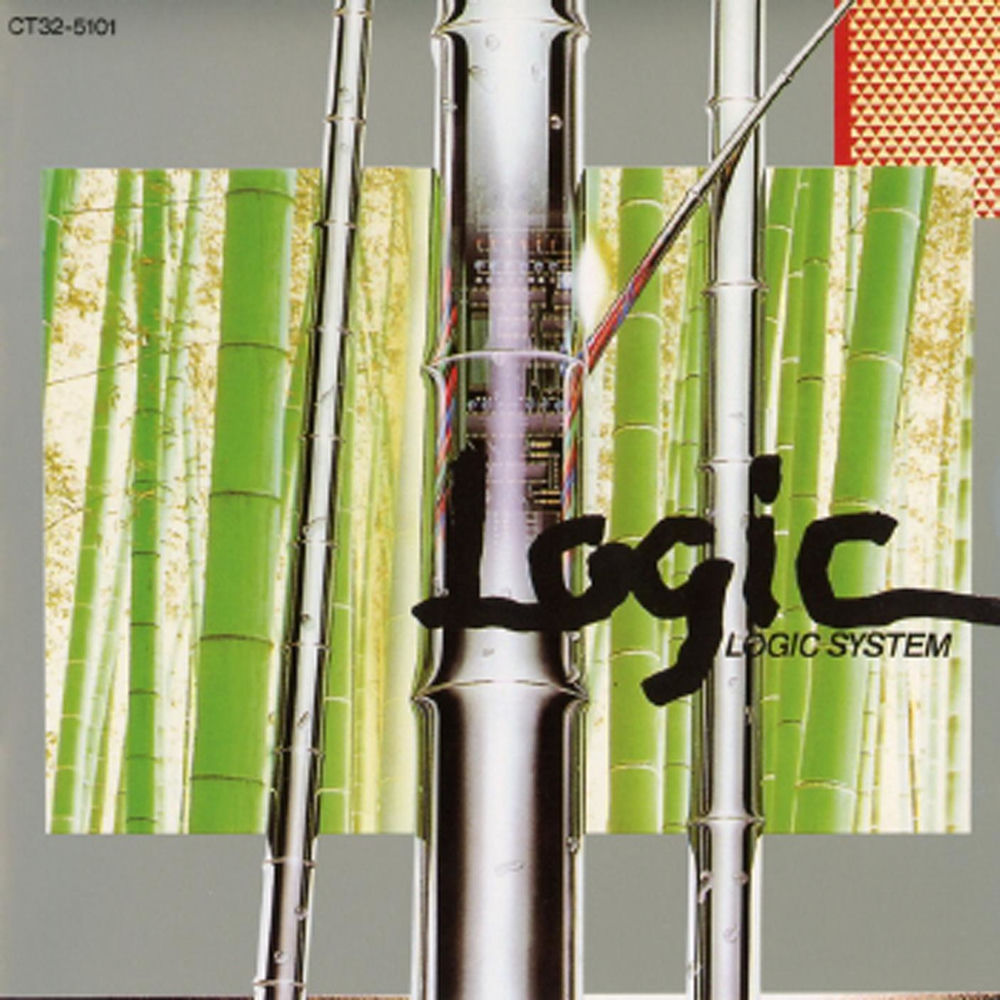
Logic System is the influential electronic music project founded by Hideki Matsutake, a key architect of Japan's early synth-pop and techno-pop sound. Originating from Tokyo, the project is celebrated for its pioneering use of computer-controlled synthesizers and sequencers, releasing a series of acclaimed albums in the early 1980s that gained a cult international following.
Hideki Matsutake, born in 1951, began his career as the indispensable technical assistant to electronic music legend Isao Tomita. His deep understanding of the Moog III and other early synthesizers earned him the nickname "the fourth member of Yellow Magic Orchestra," as he programmed and operated the complex sequencers for the iconic group's early live performances and albums. This foundational experience led Matsutake to launch his own solo venture, Logic System, in 1981, aiming to explore fully computerized music composition.
Logic System's breakthrough arrived with its debut album, Logic, released in 1981 on the ALFA Records label. The album was a landmark in Japanese electronic music, created using the revolutionary Roland MC-8 Microcomposer, one of the first programmable digital sequencers. Tracks from Logic received significant airplay on pioneering radio stations and found an eager audience among fans of YMO and European synth-pop, establishing Matsutake as a formidable solo artist.
Unit — This opening track from the debut album immediately showcased Logic System's precise, driving sequencer patterns and melodic synth lines that defined the techno-pop genre.
Domino Dance — A standout for its funky bass sequence and playful melodies, it became a favorite in clubs and demonstrated the project's accessible, dance-oriented side.
Take Off — Featured on the second album Venus, this song highlighted Matsutake's more atmospheric and compositionally complex ambitions beyond pure pop.
Clash — Known for its aggressive, video game-like arpeggios and percussive force, this track underscored the project's influence on early electronic music and computer game soundtracks.
Following the success of the first two albums, Logic System released Oriental Express in 1983, further refining its fusion of Western electronic styles with subtle Japanese musical motifs. Matsutake continued his prolific work as a programmer and producer for other major Japanese artists throughout the decade, while Logic System's music found a new generation of fans in the 1990s through compilations and the growing interest in vintage synth sounds.
For listeners who appreciate the pioneering electronic work of Logic System, exploring similar artists is highly rewarding. Discover Yellow Magic Orchestra for the foundational techno-pop sound Matsutake helped engineer. The melodic synth explorations of Ryuichi Sakamoto share a similar innovative spirit. Fans should also hear Haruomi Hosono for another perspective on Japanese electronic fusion. The later work of Kraftwerk represents the German electronic precision that deeply influenced the Logic System aesthetic.
Logic System's pioneering catalog remains in regular rotation on dedicated electronic music radio stations, particularly those focusing on synthwave, classic techno-pop, and 80s alternative genres. Online radio streams specializing in Japanese music history and vintage electronic sounds frequently feature tracks from Logic and Venus, introducing Matsutake's computer-controlled compositions to new audiences.
The innovative music of Logic System can be heard on radio stations featured on our website. Listeners can discover the foundational sounds of Japanese electronic music by tuning into the radio stations available on onairium.com.