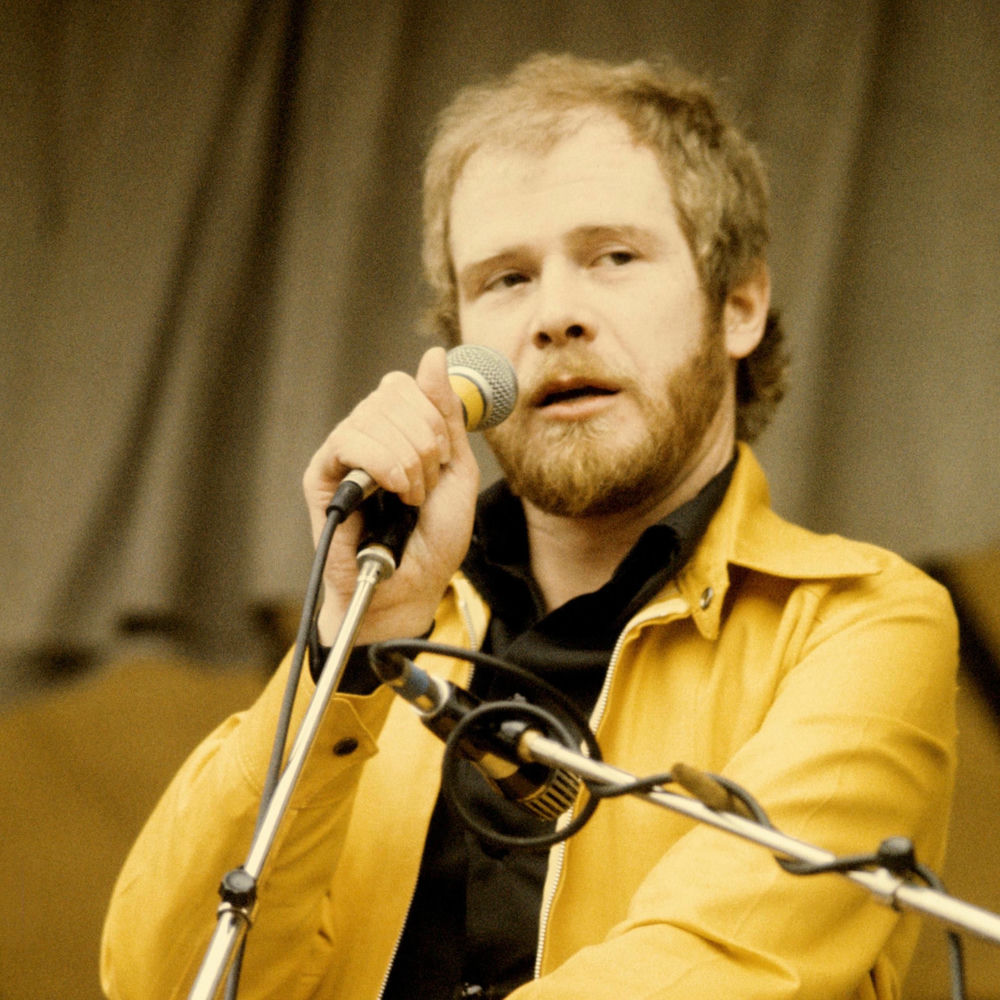
Long John Baldry: The British Blues Pioneer
Long John Baldry was a towering and influential British blues and rock vocalist who helped shape the UK music scene in the 1960s. Hailing from England, his major achievement was not chart-topping sales but his pivotal role in launching the careers of future superstars and recording enduring cult classic albums.
Early career
Born in 1941 in London, John William "Long John" Baldry began his musical journey in the early 1960s folk and blues clubs. His commanding height and even more commanding voice made him a central figure in the burgeoning British blues movement, performing with pioneers like Cyril Davies in the band Blues Incorporated.
This period saw him sharing stages and influencing a generation of younger musicians, including a young Rod Stewart and future members of The Rolling Stones. His early recordings were primarily with these collective blues groups, setting the stage for his solo work.
Breakthrough
Baldry's breakthrough into the pop mainstream came in 1967 with the single Let the Heartaches Begin. Released on the Pye label, this orchestrated ballad showcased his rich, deep vocals in a new light and became a UK Number One hit, proving his versatility beyond the blues circuit.
This success led to his 1968 album Let the Heartaches Begin, which solidified his commercial appeal. While he never replicated that singular chart peak, it granted him wider recognition and the freedom to explore various musical styles on subsequent records for labels like United Artists and Warner Bros.
Key tracks
Let the Heartaches Begin — This 1967 ballad was Baldry's sole UK Number One single, marking his successful transition into the mainstream pop charts.
Don't Try to Lay No Boogie-Woogie on the King of Rock and Roll — A later, energetic rock track from 1971 that became a staple on album-oriented radio, particularly in Canada where he later resided.
Mexico — This 1978 single became a surprise hit in New Zealand, demonstrating the enduring and international reach of his powerful vocal style.
You've Lost That Lovin' Feelin' — His 1979 duet with Kathi McDonald on this Righteous Brothers cover became a major hit in Canada, earning a gold certification and reigniting his career there.
Throughout the 1970s, Long John Baldry continued to record and tour, exploring folk, jazz, and rock. He collaborated with notable artists like Elton John, who played piano on Baldry's 1971 album It Ain't Easy, and Rod Stewart, both of whom credited him as an early mentor.
His relocation to Canada in the late 1970s revitalized his career, leading to successful albums like Baldry's Out and regular national television appearances. He remained a respected and active figure in the blues and rock genres until his passing in 2005, leaving behind a legacy of influential recordings.
Fans of Long John Baldry's foundational British blues sound and robust vocal delivery should also explore John Mayall, whose Bluesbreakers was another crucial incubator for British rock talent. The early work of Rod Stewart directly reflects the blues and folk influence Baldry helped foster. For the gritty, authentic side of the UK blues boom, listen to The Animals and their powerful vocalist Eric Burdon. The mod and R&B roots of The Who also share a common lineage with Baldry's early club days.
Long John Baldry's music maintains a steady presence on classic rock FM stations and specialist blues radio programs. His tracks are regularly featured in rotations that celebrate the roots of British rock, ensuring new generations of listeners discover his voice.
You can hear the music of Long John Baldry on radio stations featured on our website. Explore the classic rock and blues stations available on onairium.com to listen to this pioneering artist's influential catalog.