
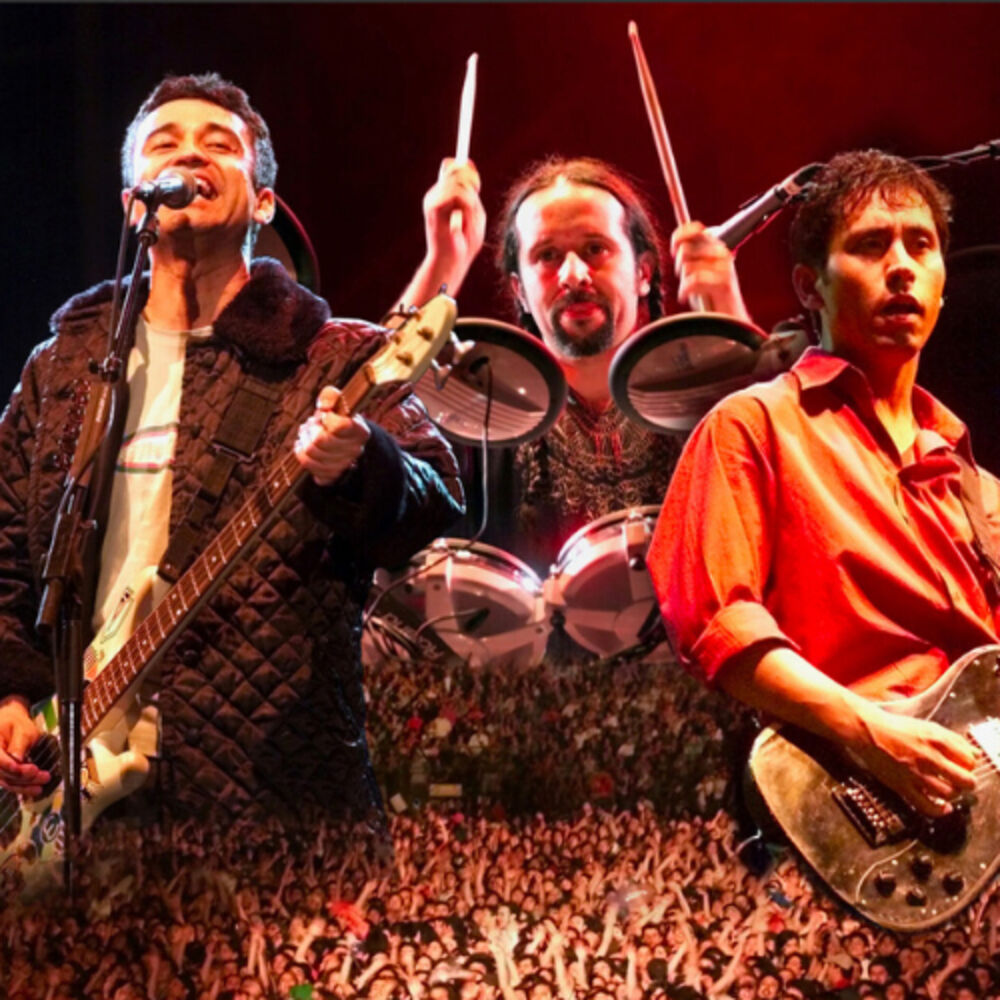
Los Prisioneros
Listen on radio stations:







Los Prisioneros: Pioneers of Chilean Rock and Social Commentary
Los Prisioneros are a seminal Chilean rock band formed in San Miguel, Santiago, in 1979. The group is widely recognized for merging catchy synth-pop and rock melodies with sharply critical lyrics addressing social inequality, political oppression, and youth disillusionment under Augusto Pinochet's dictatorship, becoming one of Latin America's most influential bands.
Early Career
Los Prisioneros formed while its core members-Jorge González (vocals, bass), Claudio Narea (guitar), and Miguel Tapia (drums)-were still high school students. Their early sound was a DIY blend of punk energy and new wave synthesizers, recorded crudely on cassette tapes. The band's first official release, the 1984 single "La Voz de los '80," served as a powerful anthem for a generation and gave its name to their debut album the following year.
Breakthrough
The band's breakthrough came with their second studio album, "Pateando Piedras," released in 1986 on the label Fusión. The album's lead single, "¿Quién Mató a Marilyn?," faced censorship but became an underground hit, while tracks like "El Baile de los Que Sobran" evolved into a timeless protest anthem across the Spanish-speaking world. The album's success, achieved independently without major label support, cemented Los Prisioneros as the definitive voice of Chilean youth.
Key Tracks
El Baile de los Que Sobran - This synth-driven track is the band's most iconic song, a poignant critique of social exclusion and failed promises that remains culturally relevant decades later.
¿Quién Mató a Marilyn? - A song that challenged superficial media and censorship, marking the band's willingness to confront controversial topics directly.
La Voz de los '80 - The title track of their debut album defined the sound and concerns of a generation, establishing the band's signature style.
Tren al Sur - A later hit from their 1990 album "Corazones," showcasing a more polished pop sound while retaining a narrative of urban escape and nostalgia.
Internal tensions led to guitarist Claudio Narea's departure after "Corazones," an album that saw massive commercial success across Latin America. Jorge González, as the primary songwriter, steered the band toward a more pop-oriented sound on 1994's "Los Prisioneros," before the group disbanded in 1992, reuniting briefly in 2001 for a tour and a final studio album in 2003. Their music, characterized by its synthesizer hooks and incisive lyrics, continues to influence rock and Latin alternative music. The legacy of Los Prisioneros is built on their fearless social critique and their ability to craft enduring pop-rock anthems that transcended their era.
Fans of Los Prisioneros' blend of rock, synth-pop, and social lyricism often appreciate other seminal Latin American acts. Bands like Soda Stereo share a similar foundational influence on Spanish-language rock. The politically charged rock of Los Fabulosos Cadillacs also resonates with their spirit. For the Chilean post-punk and new wave sound, Los Tres are a key reference.