
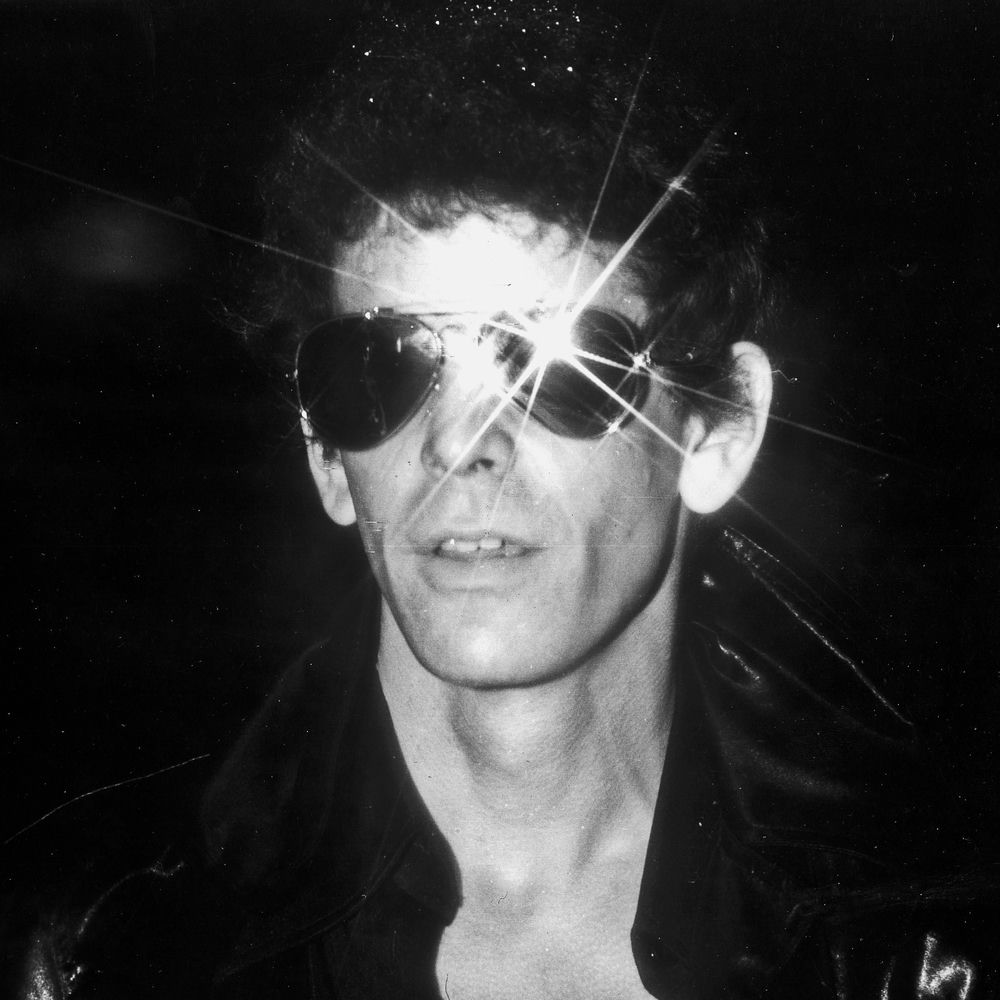
Lou Reed
Listen Lou Reed on radio stations:







Lou Reed: The Architect of New York Rock
Lou Reed was an American singer, songwriter, and guitarist whose work fundamentally shaped the landscape of rock music. His career, spanning over five decades, is defined by his unflinching lyrical exploration of urban life, taboo subjects, and raw human emotion, most famously during his tenure with the Velvet Underground.
Early career
Born in Brooklyn, New York in 1942, Lewis Allan Reed began his musical journey with early rock and roll bands before studying poetry and journalism. His path changed direction in 1964 when he met Welsh multi-instrumentalist John Cale in New York City, a collaboration that led to the formation of the Velvet Underground the following year.
Breakthrough
Although commercially unsuccessful at the time, the Velvet Underground's 1967 debut album The Velvet Underground & Nico, produced by Andy Warhol, became one of the most influential records in rock history. After leaving the band in 1970, Reed launched his solo career, but his definitive commercial and critical breakthrough came with the 1972 album Transformer, produced by David Bowie and Mick Ronson.
Key tracks
Walk on the Wild Side - This single from Transformer became Reed's only Top 20 pop hit in the US, its lyrical candor defining his signature style.
Perfect Day - A beautifully orchestrated ballad from Transformer that later saw massive resurgence in popularity through its use in the 1996 film Trainspotting.
Satellite of Love - Another highlight from Transformer, featuring backing vocals by David Bowie, showcasing Reed's melodic pop sensibility.
Vicious - The opening track of Transformer, co-written with Andy Warhol, set the album's glam-rock tone with its driving guitar riff.
Heroin - From the Velvet Underground's debut, this intense, structurally daring song remains one of Reed's most powerful and controversial compositions.
Reed's subsequent work in the 1970s, including the critically acclaimed but challenging Berlin (1973) and the feedback-laden rock experiment Metal Machine Music (1975), cemented his reputation as an uncompromising artist. He later found renewed success with albums like New York (1989), a sharp socio-political commentary, and his 1990 collaboration with John Cale, Songs for Drella, a tribute to Andy Warhol.
Artists exploring similar territories of lyrical realism and sonic innovation include The Stooges, whose proto-punk energy shared Reed's raw aesthetic. Patti Smith merged poetry with rock in a way deeply indebted to Reed's early work. The influence of Lou Reed's streetwise narratives can also be heard in the music of Television, another pivotal act from the New York underground scene. Later, The National would carry forward a tradition of intellectual, melancholic songwriting inspired by figures like Reed.
Lou Reed's music continues to be a staple on classic rock FM stations, alternative rock radio stations, and dedicated album-oriented rock channels. His vast catalog, from the Velvet Underground to his solo explorations, ensures his voice remains a vital part of the musical dialogue.
The music of Lou Reed, a foundational pillar of alternative and art rock, is featured across various radio stations accessible on this platform, offering listeners a direct connection to his enduring legacy.
