

Louis Jordan: The King of Jukebox Swing and Jump Blues
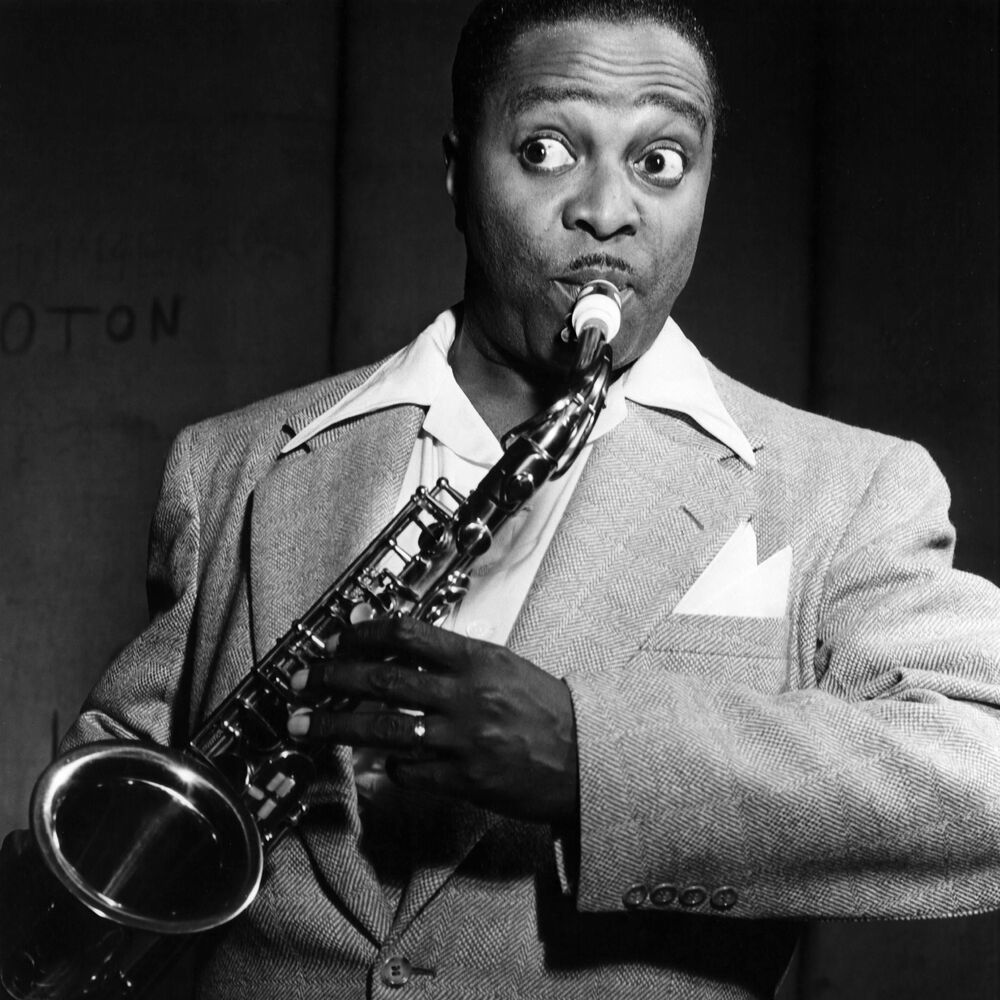
Louis Jordan was an American alto saxophonist, singer, and bandleader who became one of the most successful and influential artists of the 1940s. Hailing from Brinkley, Arkansas, his string of chart-topping hits for Decca Records defined the energetic jump blues style and directly paved the way for the birth of rock and roll.
Early career
Born in 1908, Louis Jordan began his professional music career in the late 1920s, first with the Rabbit Foot Minstrels and later as a sideman for bandleader Chick Webb. His big break came in 1938 when he formed his own group, the Tympany Five, a small, tight combo that contrasted with the era's large swing orchestras. They signed with Decca Records and began releasing a series of singles that blended jazz, blues, and comedy with an irresistible dance rhythm.
Breakthrough
Jordan's commercial breakthrough exploded in the early 1940s, establishing a dominant chart run that lasted the entire decade. His 1944 single G.I. Jive became his first number one on the Billboard Harlem Hit Parade, a position he would occupy frequently. Between 1943 and 1950, Louis Jordan and his Tympany Five scored an astonishing eighteen number-one singles on the race records charts, with many crossing over to the pop charts.
Key tracks
Caldonia — This 1945 smash hit, with its famous "Caldonia! Caldonia! What makes your big head so hard?" shout, became his signature song and a definitive jump blues anthem.
Choo Choo Ch'Boogie — A massive 1946 chart-topper that spent 18 weeks at number one, perfectly capturing the postwar optimism with its train rhythm and clever lyrics.
Saturday Night Fish Fry — This ambitious 1949 two-part record is often cited as one of the very first rock and roll songs due to its driving guitar break and narrative style.
Is You Is or Is You Ain't My Baby — A major 1944 crossover hit that showcased Jordan's smooth vocal delivery and became a jazz and pop standard.
Let the Good Times Roll — Another perennial party anthem from 1946 that cemented his reputation as the foremost purveyor of good-time, danceable music.
Jordan's success was not limited to singles; he also starred in a series of popular musical short films and feature movies. His influence on the next generation of musicians was profound, with his stage presence, showmanship, and rhythmic drive directly inspiring artists like Chuck Berry, Bill Haley, and James Brown. While his chart dominance waned in the early 1950s with the rise of pure rock and roll, a genre he helped create, he continued to perform and record.
Artists who channel the spirit of Louis Jordan's upbeat, sax-driven jump blues include Big Joe Turner who shared a similar bridge from blues to rock. Wynonie Harris embodied the same raucous, shouting blues style that dominated jukeboxes. The early work of Chuck Berry clearly follows the narrative and rhythmic blueprint Jordan established. For the sophisticated, small-combo jazz side, explore Louis Armstrong and his influential Hot Five recordings.
Louis Jordan's timeless catalog remains a staple on classic rhythm and blues radio stations, swing music programs, and dedicated oldies radio stations. His music is frequently featured on online radio streams that specialize in the roots of rock and roll, ensuring his pioneering sound continues to reach new audiences.
You can hear the energetic jump blues and swing of Louis Jordan on radio stations featured right here on onairium.com. Tune in to discover why his music dominated the jukeboxes of the 1940s and laid the foundation for the rock revolution that followed.