Love
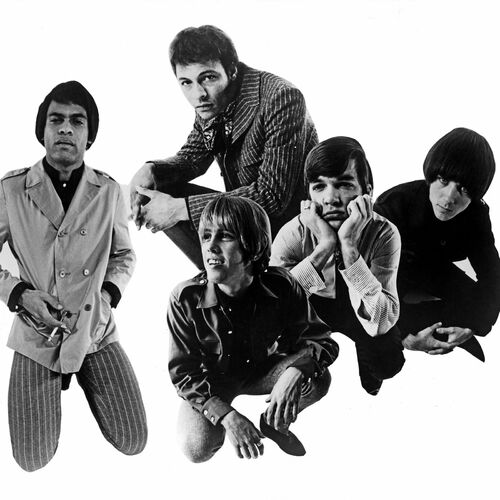
Love: The Pioneers of Los Angeles Psychedelic Rock
Love was an influential American rock band that emerged from the vibrant Los Angeles music scene of the mid-1960s. Fronted by the enigmatic singer-songwriter Arthur Lee, the group is best known for their critically acclaimed 1967 album Forever Changes, a landmark record that blended folk-rock with orchestral psychedelia.
Early career
The band was formed in Los Angeles, California, in 1965 by Arthur Lee, who had previously recorded as a solo artist. Love quickly became a headline act on the famed Sunset Strip, known for their eclectic style and racially integrated lineup, which was rare for the era.
They signed with Elektra Records in 1966, releasing their self-titled debut album that same year. This first record established their raw, garage-rock sound infused with folk and blues, setting the stage for their rapid artistic evolution.
Breakthrough
Love's commercial and artistic peak arrived in 1967 with their third studio album, Forever Changes. Although it initially saw modest sales, the album's reputation grew exponentially over decades, eventually being certified Gold and hailed as one of the greatest rock albums of all time by critics.
The record's intricate arrangements and darkly poetic lyrics, penned primarily by Lee and guitarist Bryan MacLean, presented a stark contrast to the prevailing Summer of Love optimism. Its unique sound was a sophisticated fusion of acoustic folk, mariachi brass, and psychedelic rock.
Key tracks
My Little Red Book — This cover of a Burt Bacharach song was Love's first single, introducing their garage-rock energy to a wider audience.
7 and 7 Is — A frantic, proto-punk explosion from their second album, Da Capo, that became one of their most recognizable songs.
Alone Again Or — Written by Bryan MacLean, this track opens Forever Changes with its iconic Spanish guitar riff and remains their most streamed song.
She Comes in Colors — A psychedelic standout from Da Capo, noted for its influence on later artists like The Rolling Stones.
You Set the Scene — The ambitious, multi-part finale of Forever Changes that encapsulates the album's thematic and musical complexity.
Despite the acclaim for Forever Changes, internal tensions and Lee's reluctance to tour extensively prevented Love from achieving massive mainstream success. The original lineup fractured soon after, though Arthur Lee continued to use the Love name with new musicians for subsequent albums on other labels like Blue Thumb and RSO throughout the 1970s.
Arthur Lee revived the Forever Changes material with a new backing band in the early 2000s, performing the album in its entirety to rapt audiences worldwide before his passing in 2006. The band's legacy is that of a quintessential cult act, whose pioneering blend of genres directly influenced the development of both psychedelic and alternative rock.
Fans of Love's intricate, folk-tinged psychedelia should also explore The Doors, who shared the same Sunset Strip stages and Elektra Records label. The jangly, melancholic songcraft of Big Star carries a similar spirit of cult admiration and profound influence. The lyrical depth and Baroque pop elements can be heard in the work of Belle and Sebastian. For the garage-rock fervor of Love's early work, listen to The Stooges.
The music of Love holds a permanent place on the playlists of classic rock FM stations and dedicated psychedelic rock radio streams. Their songs, particularly from the Forever Changes era, are staples on stations celebrating the innovative sounds of the 1960s.
You can hear the pioneering psychedelic rock of Love on radio stations featured on our website. Listeners can discover the enduring legacy of Arthur Lee and his band through the curated rock and classic hits stations available on onairium.com.