Lowell Fulson
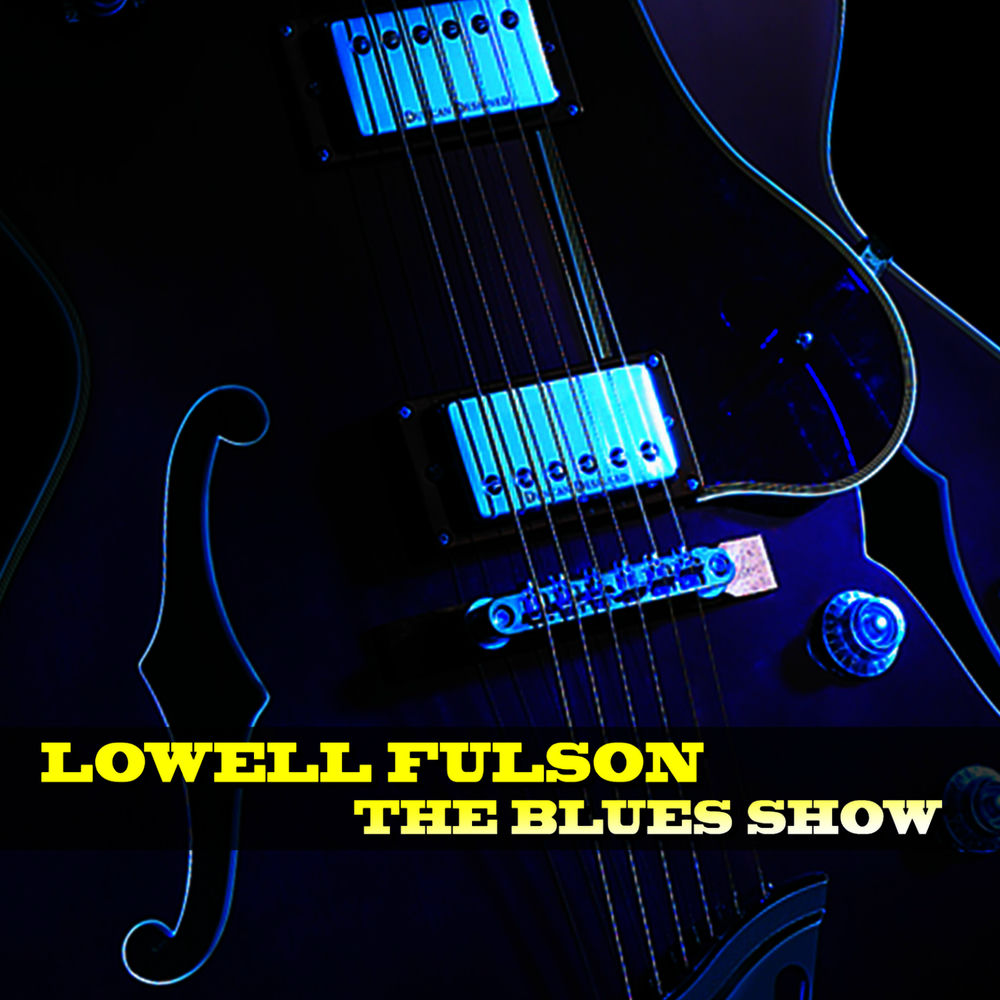
Lowell Fulson: The Architect of West Coast Blues
Lowell Fulson was a pioneering American blues guitarist and songwriter whose career spanned five decades and directly shaped the sound of post-war West Coast blues. Hailing from Oklahoma, his sophisticated blend of country blues roots with swinging, horn-driven arrangements produced a string of enduring hits, most notably his 1965 R&B chart-topper "Tramp" with singer Carla Thomas.
Early career
Born in 1921 in Tulsa, Oklahoma, Fulson absorbed the rural blues traditions of the region before serving in the Navy during World War II. He launched his recording career in the late 1940s on the Los Angeles-based Swing Time label, where his early singles like "Three O'Clock Blues" (later a smash for B.B. King) established his clean, melodic guitar style and smooth vocal delivery.
Breakthrough
Fulson's commercial breakthrough arrived in the 1950s after signing with Chess Records' Checker subsidiary. His 1954 single "Reconsider Baby," penned by Fulson and arranged by a young Ray Charles, became a monumental hit, reaching number three on the Billboard R&B chart. This blues standard was later inducted into the Blues Foundation Hall of Fame and covered by countless artists, cementing his legacy.
Key tracks
Reconsider Baby — This 1954 hit defined Fulson's mature sound and became a blues standard covered by Elvis Presley and Eric Clapton.
Tramp — His 1965 duet with Carla Thomas on Stax Records was a number one R&B and top five pop crossover success, introducing him to a new generation.
Every Day I Have the Blues — Fulson's 1950 recording for Swing Time predated and influenced the more famous versions by B.B. King and Joe Williams.
Blue Shadows — This 1949 single was a major R&B hit, spending weeks at number one and showcasing his early transition to a bandleader.
Throughout the 1960s and 70s, Fulson remained a prolific recording artist for labels like Kent and Jewel, adapting his sound to soul and funk trends without losing his blues core. His influence was widely acknowledged by rock musicians, with his songs being recorded by The Beatles ("Why Don't We Do It In The Road?" was inspired by a Fulson lyric) and covered by Creedence Clearwater Revival. He earned four Grammy nominations and continued to tour internationally until his passing in 1999.
For fans of Lowell Fulson's guitar-driven, urban blues style, similar artists featured on our site include T-Bone Walker, who pioneered the electric guitar jump blues that Fulson refined. B.B. King shared a similar melodic guitar approach and was directly influenced by Fulson's early work. Jimmy McCracklin represents the same West Coast blues and R&B scene with its piano and horn sections. Albert Collins offers a later, grittier Texas-to-California guitar style that follows the path Fulson helped establish.
Lowell Fulson's catalog remains a staple on dedicated blues radio stations and classic R&B formats featured on this network. His timeless recordings, from early 78s to his 1960s soul-blues, receive regular airplay on both terrestrial and online radio streams specializing in American roots music.
You can hear the essential music of blues architect Lowell Fulson on radio stations featured on our website. Explore the stations available on onairium.com to discover his influential hits and deep cuts that shaped the West Coast blues sound.