Luis Russell
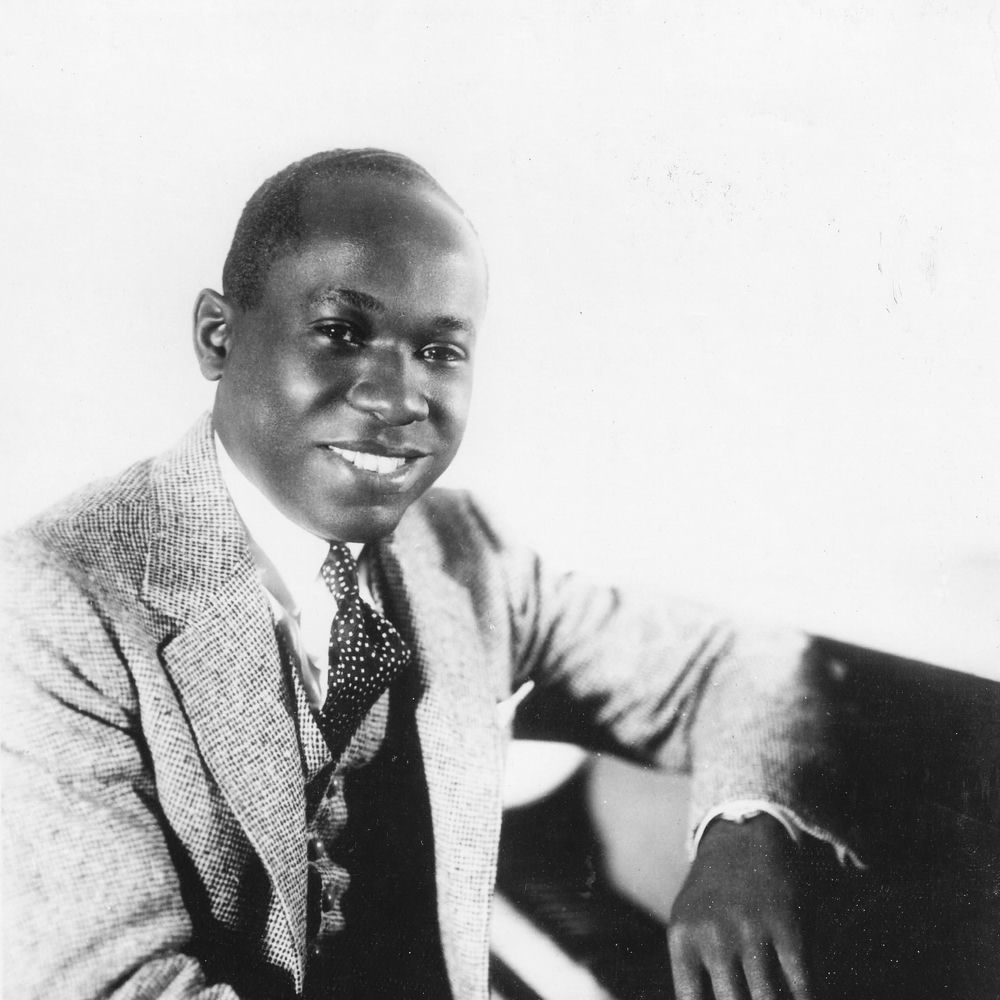
Luis Russell: The Pioneering Bandleader of Early Jazz
Luis Russell was a Panamanian-born pianist, composer, and bandleader whose orchestra became a cornerstone of the late 1920s and 1930s jazz scene. His ensemble's greatest legacy was serving as the primary backing band for the legendary Louis Armstrong during a pivotal period of the trumpeter's career.
Early career
Born in 1902 in Bocas del Toro, Panama, Luis Russell moved to New Orleans in 1919, immersing himself in the birthplace of jazz. He first gained notice as a pianist with King Oliver's Dixie Syncopators in Chicago before forming his own group, Luis Russell and His Burning Eight, in New York City in 1926.
Breakthrough
Russell's big break arrived in 1929 when his orchestra, now expanded, secured a prestigious residency at the Saratoga Club in New York and began recording for OKeh Records. The band's sophisticated, swinging arrangements on tracks like Saratooga Shout established them as one of the leading big bands of the Harlem scene, known for a powerful, blues-inflected style.
Key tracks
Saratooga Shout — This 1929 instrumental showcased the band's tight, driving ensemble work and became a signature tune.
Doctor Blues — Featuring vocalist Henry "Red" Allen, this track highlights the band's mastery of the blues idiom.
Song of the Swanee — A prime example of Russell's talent for arranging popular songs of the day into compelling jazz vehicles.
The most significant chapter of Luis Russell's career began in 1935 when Louis Armstrong hired the entire orchestra as his permanent backing group. For nearly eight years, the Luis Russell Orchestra provided the robust, swinging foundation for Armstrong's recordings and live performances, including hits like Jeepers Creepers and Struttin' with Some Barbecue. Though the band was billed under Armstrong's name, its core sound and personnel remained Russell's.
After parting ways with Armstrong in 1943, Russell continued to perform and record on a smaller scale but never regained his earlier prominence. He later worked as a piano teacher and occasionally performed, leaving behind a catalog of recordings that capture the exciting transition from hot jazz to the swing era. His influence is heard in the work of later bandleaders who built upon his rhythmic innovations.
Fans of the driving, ensemble-focused jazz of Luis Russell should also explore the music of Fletcher Henderson. Henderson's orchestra was a direct contemporary and rival, setting the blueprint for big band swing. The powerful trumpet work in Russell's band finds a parallel in Henry "Red" Allen, a frequent Russell collaborator whose vocal and instrumental style was uniquely expressive. For the earlier New Orleans ensemble sound that influenced Russell, listen to King Oliver, whose Creole Jazz Band was a formative school for many musicians.
RADIO ROTATION
The vibrant recordings of Luis Russell and his orchestra maintain a steady presence on dedicated jazz radio stations, particularly those focusing on early swing and traditional jazz formats. His work with Louis Armstrong guarantees him airtime on classic jazz programs and online streams that celebrate the foundations of American music.
You can experience the pioneering swing of Luis Russell's orchestra on various classic jazz and historical music radio stations featured right here on onairium.com. Tune in to discover how his band helped shape the sound of an era.