
Luiz Gonzaga
Listen Luiz Gonzaga on radio stations:





Luiz Gonzaga: The King of Brazilian Forró
Luiz Gonzaga was a seminal Brazilian singer, songwriter, and accordionist who popularized the musical genres of forró and baião across the nation. Hailing from the northeastern state of Pernambuco, his career is defined by massive commercial success and a profound cultural impact, with classic albums like No Meu Pé de Serra and timeless songs that have sold millions of copies.
Early career
Born in 1912 in the small town of Exu, Pernambuco, Luiz Gonzaga left his home region in 1930 to join the army. He later settled in Rio de Janeiro, where he began performing in the city's nightlife venues, initially playing popular styles like waltzes and tangos. His shift to the authentic sounds of the Brazilian Northeast, driven by homesickness, marked the true beginning of his artistic identity.
Breakthrough
Gonzaga's major breakthrough came in 1946 with the release of the song Baião, composed with Humberto Teixeira. This track introduced the baião rhythm to a national audience and became a massive hit, establishing a new musical movement. His subsequent recordings for RCA Victor, often featuring his trademark triangle, zabumba drum, and accordion, solidified his status as the voice of the Northeast.
Key tracks
Asa Branca - This 1947 classic, co-written with Humberto Teixeira, became an unofficial anthem of the Brazilian Northeast, poetically describing the drought and migration of its people.
Baião - The 1946 song that launched the baião genre into the national spotlight, defining Gonzaga's sound and career trajectory.
Xote das Meninas - A quintessential forró hit that showcases Gonzaga's skill in crafting catchy, narrative-driven songs within the genre.
Juazeiro - Another major hit written with Humberto Teixeira, further cementing the baião rhythm's popularity and Gonzaga's star power.
Qui Nem Jiló - A beloved standard in his repertoire, exemplifying the romantic and playful side of his forró music.
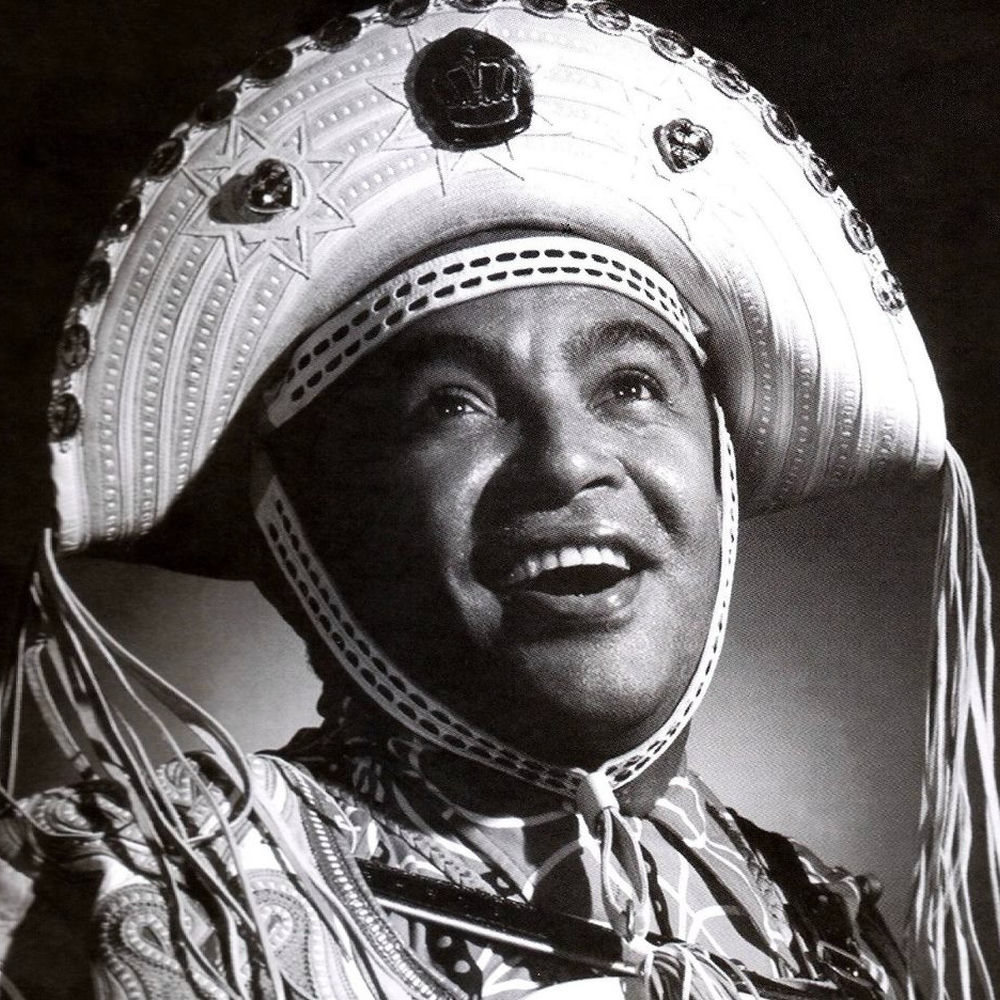
Throughout the 1950s and 1960s, Luiz Gonzaga dominated the Brazilian music scene, recording dozens of albums and performing tirelessly. His influence extended beyond music, as his distinctive visual persona-the leather hat and ornate embroidered jackets-became an iconic symbol of Northeastern culture. He directly inspired and paved the way for later generations of Brazilian musicians across various genres.
Artists from a similar roots-oriented Brazilian tradition include Dominguinhos, his pupil and a master accordionist who continued evolving the forró genre. Sivuca was another brilliant accordionist and composer who blended Northeastern rhythms with jazz and classical influences. The more contemporary Elba Ramalho often interprets his songbook and is a major figure in modern Brazilian popular music rooted in the Northeast.
Luiz Gonzaga's music remains a staple on Brazilian radio, particularly on stations dedicated to classic MPB (Música Popular Brasileira), forró, and regional folk traditions. His recordings are frequently featured in programming that celebrates the country's rich musical heritage.
The enduring songs of Luiz Gonzaga continue to be celebrated and broadcast, allowing new audiences to discover the foundational sounds of forró and baião that he championed.
