Münchner Zwietracht
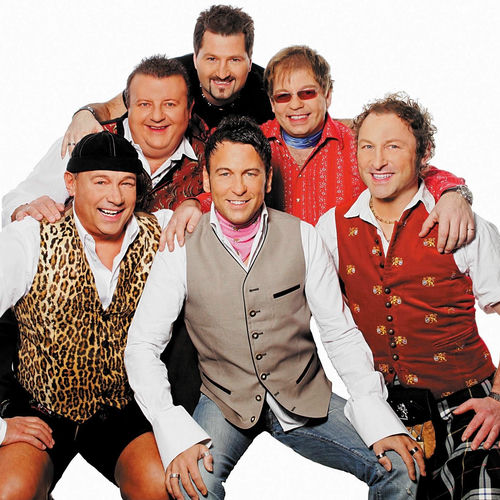
Münchner Zwietracht: The Pioneers of German Industrial Metal
Münchner Zwietracht is a German industrial metal band known for its aggressive fusion of electronic beats and heavy guitar riffs. Originating from Munich, the group achieved mainstream recognition in the early 2010s with their chart-topping album Maschinenherz.
Early career
Formed in 2005, Münchner Zwietracht began as a studio project between multi-instrumentalist Leo Brandt and vocalist Anja "Naja" Vogel. Their self-released debut EP, Stahlregen, in 2007, caught the attention of the independent label Noisebringer Records, which signed them the following year.
This early period was defined by intense club touring across Germany and Austria, building a dedicated underground following. Their first full-length album, Schattenfänger, arrived in 2009, establishing their signature sound of distorted vocals and rhythmic, machine-like precision.
Breakthrough
The band's breakthrough came in 2012 with their sophomore album, Maschinenherz. Released on the larger label Sonic Empire GmbH, the album debuted at number 15 on the German album charts and was certified gold within six months.
This commercial success was fueled by heavy rotation on music television channels and inclusion in major European festival lineups. The album's success marked a pivotal moment for industrial metal in the German mainstream music scene.
Key tracks
Maschinenherz — The title track became an anthem for the genre, its relentless rhythm and catchy synth hook defining the band's breakthrough era.
Zerbersten — This single's music video received heavy rotation on VIVA and MTV Rocks, significantly expanding the band's visual appeal and reach.
Neon Götter — A collaboration with electronic producer Kryptic, this track showcased the band's ability to blend metal with harder-edged techno elements.
Stumme Schreie — Often the climax of their live shows, this song highlights Anja Vogel's dynamic vocal range from melodic singing to harsh screams.
The momentum from Maschinenherz led to extensive European touring and a slot on the 2013 Wacken Open Air main stage. Their third album, 2015's Digitaler Gott, debuted even higher at number 8 on the charts, though it did not replicate the long-term sales of its predecessor.
A period of experimentation followed, including Leo Brandt's production work for other acts and a well-received collaboration with fellow metal act Eisbrecher on the 2017 single Kalte Fusion. The band's most recent studio album, 2020's Kodex der Ruhe, was praised for its matured songwriting and complex production.
Fans of Münchner Zwietracht's aggressive electronic-metal hybrid should also explore Rammstein for their iconic stadium-filling industrial metal. Eisbrecher shares a similar German-language focus and powerful rhythmic drive. The more electronic-oriented approach can be found with Die Krupps, pioneers of the genre. For a darker, more atmospheric take, listeners can try Megaherz, another influential band from the German scene.
The music of Münchner Zwietracht maintains a strong presence on radio, particularly on dedicated metal and alternative rock radio stations across Europe. Their hits are staples on both terrestrial rock FM stations and specialized online industrial music streams, ensuring their pulsating rhythms reach a wide audience.
You can hear the powerful industrial metal of Münchner Zwietracht on radio stations featured right here on onairium.com. Discover their discography and latest tracks by tuning into the independent music radio stations available on our platform.