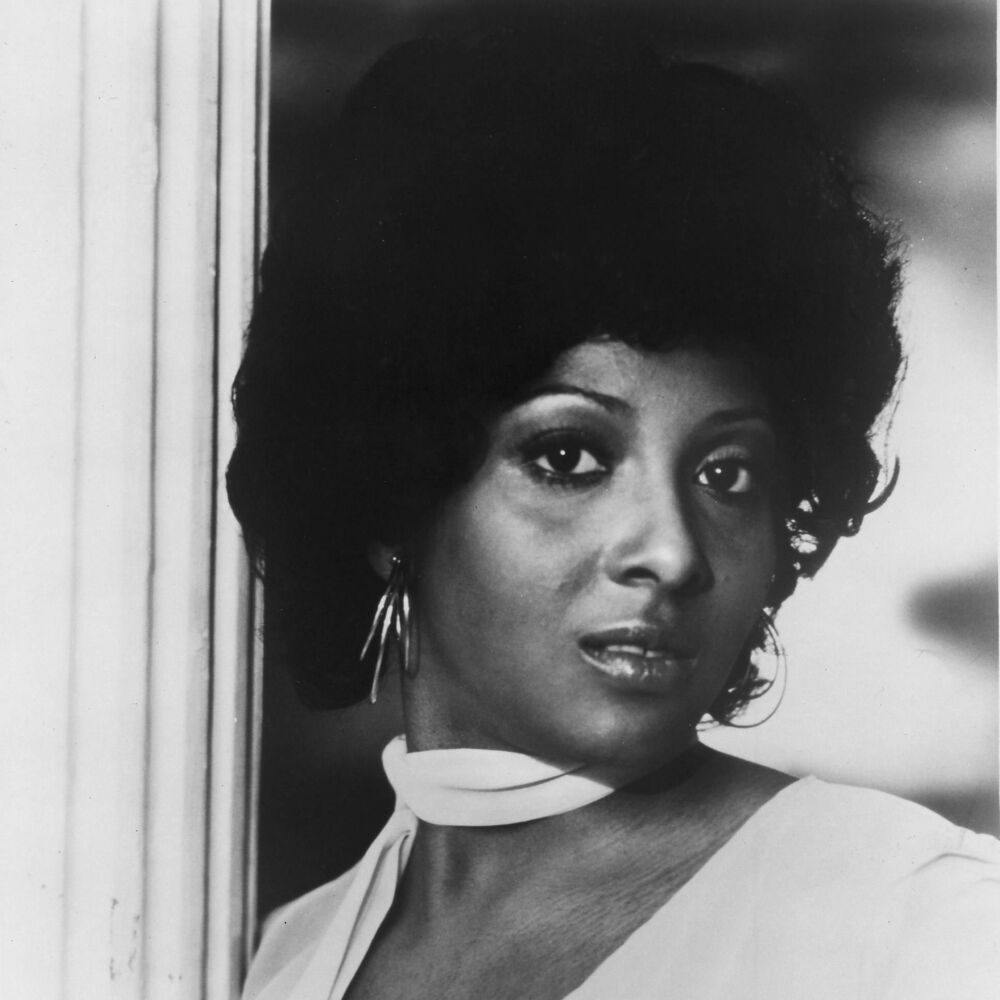

Mabel Scott: The Pioneering Voice of Rhythm and Blues
Mabel Scott was a dynamic American singer and pianist whose powerful voice and energetic stage presence made her a key figure in the transition from jump blues to rhythm and blues in the 1940s and 1950s. Hailing from Richmond, Virginia, her biggest commercial success came with the infectious party anthem "Elevator Boogie," which became a staple of the post-war jukebox scene.
Early career
Born in 1915, Mabel Scott began her professional journey in the mid-1930s, performing in clubs and theaters. Her early career saw her touring with bands and honing a style that blended blues, jazz, and boogie-woogie piano, leading to her first recording sessions for the small Atlas and Supreme labels in the late 1940s.
Breakthrough
Scott's major breakthrough arrived in 1948 after signing with the Los Angeles-based label Supreme Records. That year, she recorded "Elevator Boogie," a novelty song with a relentless boogie-woogie piano riff that captured the post-war optimism and became a massive jukebox hit, propelling her to national recognition within the burgeoning rhythm and blues market.
Key tracks
Elevator Boogie — This 1948 smash was her signature hit, defining her sound and becoming a perennial favorite on jukeboxes and R&B radio.
Boogie Woogie Santa Claus — A festive seasonal track that remains a cult classic and is regularly rediscovered on holiday R&B compilations.
Baseball Boogie — This 1949 release showcased her talent for crafting lively, theme-driven boogie numbers that appealed to a broad audience.
I Want to Rock and Roll — A later recording that explicitly embraced the new rock and roll energy, illustrating her adaptability to changing musical trends.
Following her peak success, Mabel Scott continued to record for labels like Coral and Decca into the early 1950s. She was also known for her compelling live performances, often sharing stages with other major R&B acts of the era. While chart positions for her subsequent singles did not match the phenomenon of "Elevator Boogie," she maintained a steady output and a respected profile within the music industry before eventually relocating to Australia and later England, where she performed until retiring from music.
Fans of Mabel Scott's vibrant jump blues and early R&B style should also explore the work of Wynonie Harris. His raucous, good-time blues shouting shares a direct lineage with Scott's party records. The sophisticated R&B of Julia Lee offers a similar blend of piano-driven blues and playful, sometimes risqué, lyrics. For the powerful female vocal prowess in the genre, listen to Big Maybelle, whose voice carried a comparable intensity. The jump blues foundation of Louis Jordan was a clear influence on Scott's upbeat, crowd-pleasing approach.
Mabel Scott's music holds a regular spot in the rotations of specialist radio stations dedicated to classic rhythm and blues, early rock and roll roots, and vintage American music. Her recordings are featured on programs highlighting the pioneers of the 1940s and 1950s, ensuring her work reaches both nostalgic listeners and new audiences discovering the foundations of modern popular music.
The energetic rhythm and blues of Mabel Scott can be heard on radio stations featured on our website. Listeners can discover her influential catalog, including the timeless "Elevator Boogie," by tuning into the classic R&B and roots music stations available on onairium.com.