Maeror Tri
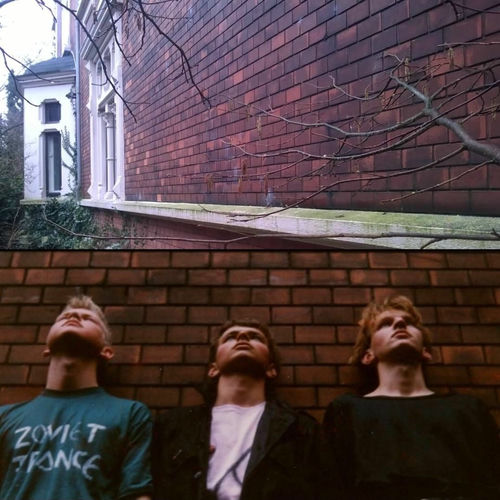
Maeror Tri: Pioneers of German Dark Ambient
Maeror Tri was a seminal German dark ambient and drone music collective whose work in the 1990s became foundational for the post-industrial scene. Hailing from Gütersloh, the group's influential cassette culture output and landmark albums like Myein established them as crucial architects of a deeply atmospheric and minimalist sound.
Early career
Formed in 1987 by Stefan Knappe and later joined by Martin Gitschel and Helmut Gassmann, Maeror Tri emerged from Germany's vibrant underground tape trading network. The trio operated as a purely studio-based project, crafting lengthy, immersive soundscapes using reel-to-reel tape loops, basic effects, and manipulated field recordings, deliberately avoiding conventional musical structures.
Their early works were self-released or issued on micro-labels via cassette, a format perfectly suited to their extended compositions. This period of prolific DIY experimentation, including releases like Emotional Engramm, solidified their aesthetic of haunting, textured drones and established a dedicated cult following within the industrial and ambient communities.
Breakthrough
The collective's breakthrough to a wider international audience came with their first CD releases in the mid-1990s on the notable German label Hyperium Records, under its "Heavenly Voices" sub-label. The 1994 album Myein is widely considered their masterwork, presenting a cohesive and profoundly meditative journey that defined the dark ambient genre for many listeners and critics.
This release, alongside Meditamentum (1995) and Universe (1996), brought Maeror Tri to the forefront of the experimental electronic scene. Their work found a natural home on Hyperium, a key platform for ethereal and dark wave music, which provided greater distribution and cemented their status as pioneers.
Key tracks
Myein — The title track from their defining album is a 20-minute epic that encapsulates their mastery of evolving, somber atmospherics.
Licht — This piece demonstrates their ability to inject subtle, almost melodic light into their dense sonic tapestries.
Spiritual — A prime example of their use of layered drones to create a deeply introspective and immersive listening experience.
Elysian Night — Featured on later compilations, this track highlights the cinematic quality and emotional depth of their compositions.
The group disbanded in 1996, but their influence endured. Members continued to create music in projects like Troum, which further explored and expanded upon the sonic territories mapped by Maeror Tri. Their entire catalog has been meticulously reissued in the 21st century, introducing their groundbreaking work to new generations of experimental music enthusiasts.
Fans of Maeror Tri's deep, textural drones and ambient structures should also explore the work of similar German artists. Deutsch Nepal shares a similar post-industrial gravitas and atmospheric tension. Lull explores comparable realms of minimalist, slow-moving dark ambient soundscapes. The project Sephiroth also operates within the same genre, crafting lengthy, immersive dark ambient pieces. Finally, Inade creates ritualistic and profound ambient music that follows the path Maeror Tri helped forge.
Maeror Tri's pioneering dark ambient works maintain a steady presence on specialized radio formats. Their albums are frequently featured on online radio streams and independent music radio stations dedicated to experimental, industrial, and ambient genres, where their expansive compositions provide a perfect fit for focused, atmospheric programming.
Listeners can discover the profound, immersive soundworlds of Maeror Tri by tuning into the dark ambient and experimental stations available on onairium.com, where their influential drone music remains a cornerstone of the genre's radio presentation.