




Manfred Mann: Pioneers of British Beat and Rhythm & Blues
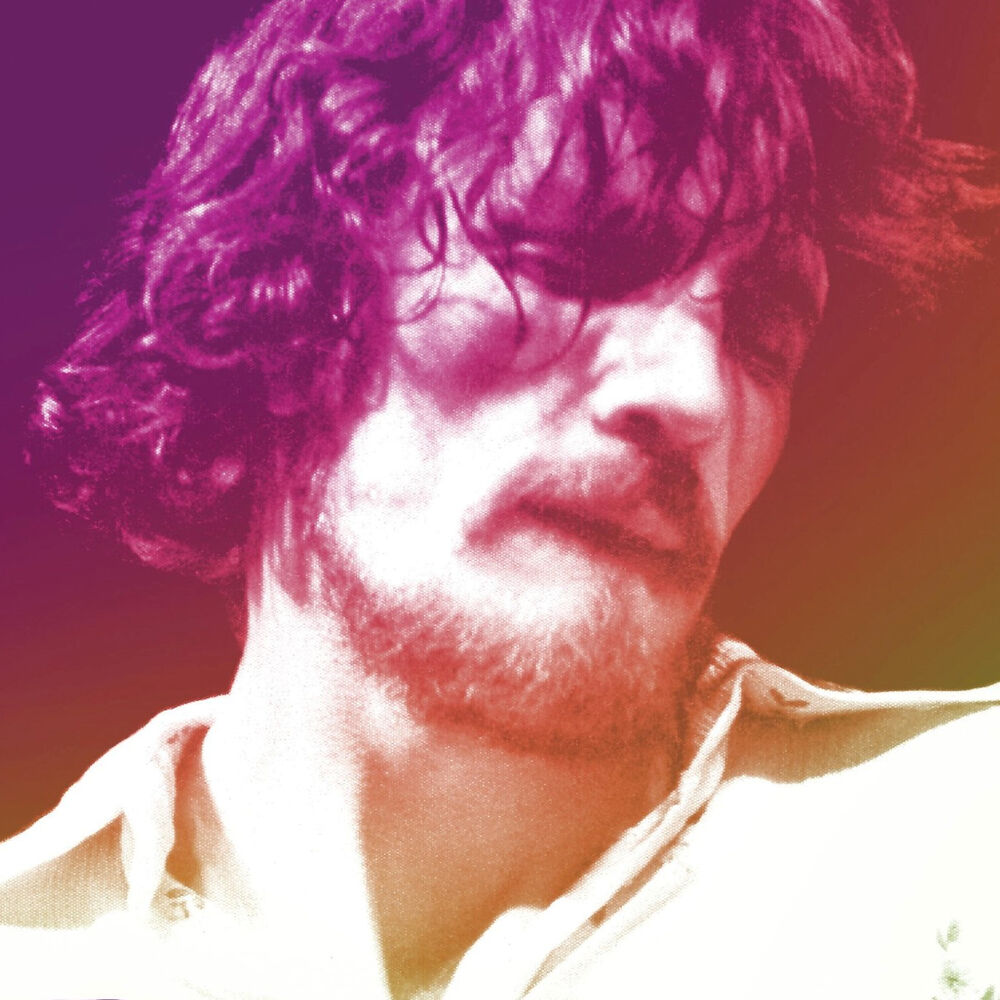
Manfred Mann is a British rock and rhythm & blues band that formed in London in 1962. The group achieved major commercial success in the 1960s with a string of chart-topping singles that blended pop sensibilities with a strong R&B foundation.
Early career
Formed by keyboardist Manfred Mann and drummer Mike Hugg, the original lineup featured a unique sound built around Mann's jazz-influenced organ and harmonica. Initially known as the Manfred Mann Quartet, they quickly became a staple of the emerging British rhythm & blues scene, securing a residency at London's Marquee Club and releasing their debut single, "Why Should We Not," in 1963.
Breakthrough
The band's breakthrough came in 1964 with their first UK number one single, "Do Wah Diddy Diddy," a cover of the Exciters' song. This success established their signature formula of reinterpreting American R&B and pop songs with a distinctive beat group energy, leading to further hits and solidifying their place in the British Invasion.
Key tracks
Do Wah Diddy Diddy - This 1964 cover became the band's first international smash, reaching number one in both the UK and the US.
Pretty Flamingo - A 1966 UK number one that showcased their move towards a more melodic, pop-oriented sound.
Mighty Quinn - Their 1968 hit, a cover of Bob Dylan's song, returned them to the top of the UK charts and demonstrated their adept song selection.
5-4-3-2-1 - Known as the theme music for the influential UK TV show "Ready Steady Go!", this instrumental cemented their cultural presence.
Ha! Ha! Said the Clown - Another top five UK hit from 1967, highlighting their consistent chart prowess during the mid-60s.
The band underwent several significant lineup changes, most notably with lead vocalists Paul Jones and later Mike d'Abo. After the initial Manfred Mann group disbanded in 1969, the core members reformed as Manfred Mann Chapter Three, exploring jazz-rock, before achieving further success in the 1970s with the more progressive rock-oriented Manfred Mann's Earth Band.
Fans of Manfred Mann's foundational British beat and R&B sound may also enjoy the music of The Animals, who similarly blended blues roots with pop appeal. The early work of The Zombies shares a sophisticated melodic approach. For the pop-rock evolution of the era, listen to The Hollies. The keyboard-driven sound can be found in the music of Procol Harum.
The music of Manfred Mann, from their 1960s beat group classics to their later progressive rock explorations, remains a fixture on classic rock and oldies radio formats. Their influential catalog continues to be celebrated for its intelligent fusion of rhythm & blues, pop, and rock.
Listeners can explore the enduring legacy of Manfred Mann's music through various radio formats that regularly feature their iconic hits and deep cuts.