Marco Paulo
Type: Person
 Egypt
Egypt
Egypt
Listen on radio stations:
Marco Paulo: The Enduring Voice of Portuguese Pop
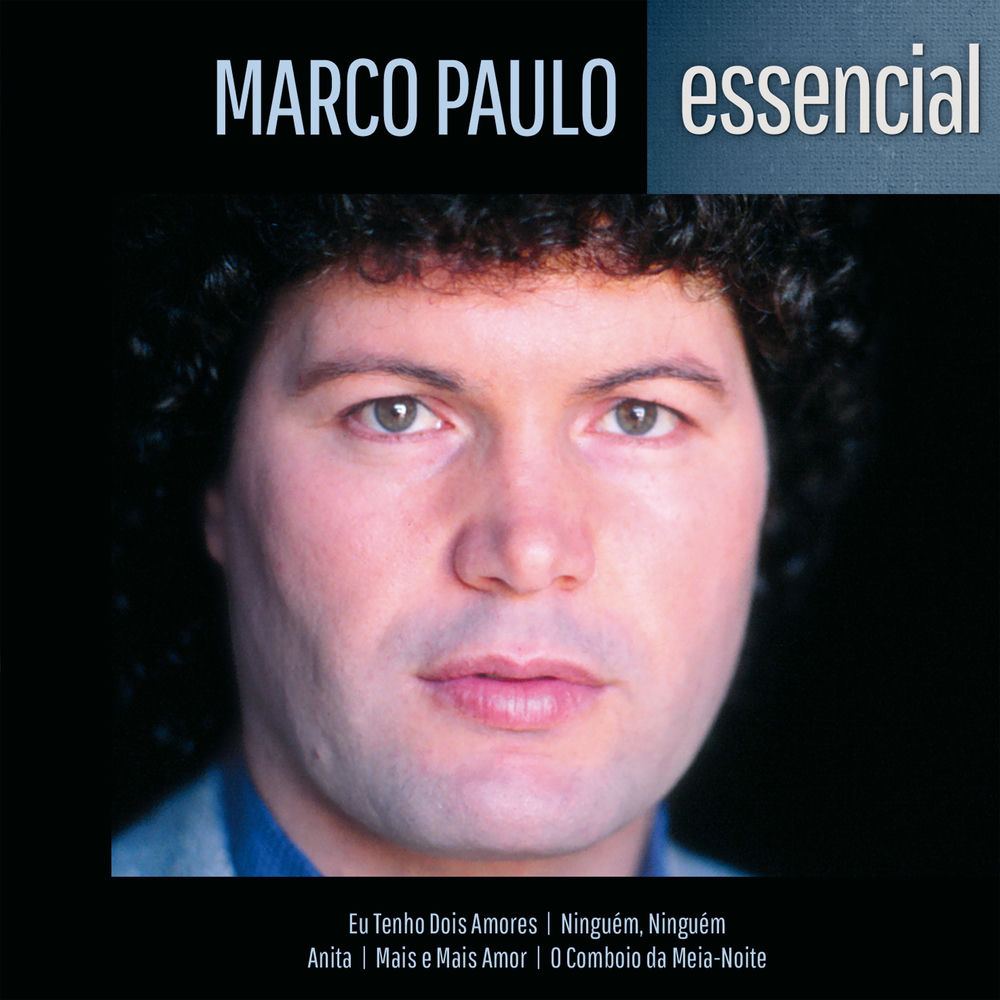
Marco Paulo is a legendary Portuguese singer whose career has defined romantic pop music in his home country for over five decades. His enduring popularity is built on a vast catalog of heartfelt ballads and consistent chart presence, making him one of Portugal's best-selling artists.
Early career
Born João Simão da Silva in 1947 in the village of Vale de Açores, Portugal, he adopted the stage name Marco Paulo early on. His professional journey began in the 1960s, and he released his first single, "A Rosa Que Te Dei," in 1967, quickly establishing a connection with Portuguese audiences through his distinctive vocal style.
Breakthrough
Marco Paulo's breakthrough into mainstream stardom solidified throughout the 1970s. His prolific output of albums and singles, often released through the Portuguese label Valentim de Carvalho, dominated airwaves and sales charts, earning him widespread recognition and numerous gold and platinum certifications over the years.
Key tracks
A Rosa Que Te Dei - This 1967 debut single marked the beginning of his long-lasting career and introduced his signature romantic style.
É Bom Tentar - A quintessential hit that exemplifies the catchy, emotive pop sound that fueled his peak popularity in the 1970s.
Meu Amor, Meu Amor - This song remains a staple in his repertoire, showcasing the passionate balladry that is central to his appeal.
Chupa Teresa - A later-career hit that demonstrated his ability to adapt to contemporary pop trends while maintaining his core identity.
Throughout the 1980s and beyond, Marco Paulo continued to release successful albums and perform to sold-out venues across Portugal. His status was cemented not just by record sales but by his powerful live performances and a deep, unwavering bond with his fanbase. He has collaborated with other major Portuguese artists, further solidifying his position within the nation's musical landscape.
Fans of Marco Paulo's brand of emotive, romantic Portuguese pop might also enjoy the music of Tony Carreira, another pillar of Portuguese popular music with a similar focus on ballads. The classic style of Simone de Oliveira represents an earlier generation of Portuguese songcraft. For a different yet resonant voice in Portuguese music, explore Amália Rodrigues, the foundational figure of Fado.
The music of Marco Paulo is a fixture on Portuguese pop radio stations and online music streams, where his timeless hits continue to receive regular airplay. His songs form an essential part of the soundtrack for generations of listeners.
Listeners can discover the enduring appeal of Marco Paulo's music through the Portuguese pop radio stations featured on onairium.com, where his voice remains a constant and beloved presence.
Similar artists