

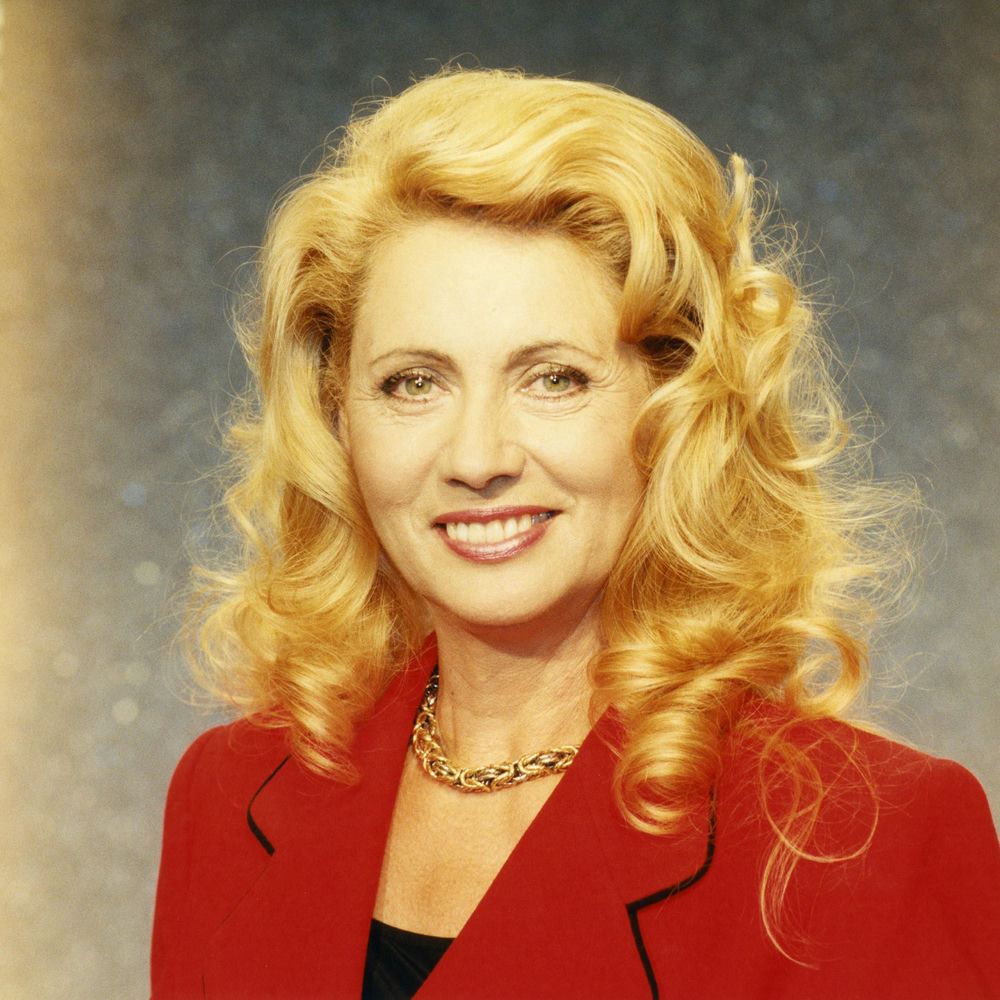

Margot Eskens: The Schlager Star of Germany's Post-War Era
Margot Eskens was a defining German Schlager singer whose cheerful voice and catchy melodies captured the hearts of a nation rebuilding after World War II. Hailing from Düren, her career was propelled by massive commercial success, with several singles achieving gold status and dominating the German charts throughout the 1950s and 1960s.
Early career
Born in 1936 in Düren, North Rhine-Westphalia, Margot Eskens demonstrated musical talent from a young age. Her professional journey began in 1955 when she was discovered by the prolific composer and producer Heinz Gietz, who quickly secured her a recording contract with the prestigious Polydor label.
Breakthrough
Her breakthrough arrived almost immediately with her very first single in 1955. The song Cindy, Oh Cindy, a German adaptation of a US folk song, became an instant smash hit, selling over a million copies and earning a gold record, firmly establishing the teenage Eskens as a new star in the Schlager scene.
Key tracks
Cindy, Oh Cindy — This debut single was her career-defining gold record hit that launched her to national fame.
Mama — A heartfelt ballad that showcased her vocal versatility and remained one of her most beloved songs for decades.
Tiritomba — This lively Italian-inspired number demonstrated her ability to deliver upbeat, danceable Schlager anthems.
Ich Möchte Nochmal Siebzehn Sein — A later hit that reflected on youth, resonating with her loyal fanbase as the era progressed.
Building on this phenomenal start, Eskens maintained a relentless release schedule throughout the late 1950s and 1960s. She consistently placed songs in the top tiers of the German singles charts, including major hits like Himmelblaue Serenade and Ein Schiff Wird Kommen. Her partnership with Polydor proved immensely fruitful, resulting in a string of successful albums and EPs that solidified her position as a pillar of German light entertainment music.
While her core style remained rooted in classic Schlager, she also collaborated with other giants of the genre, such as the comedian and singer Gus Backus. Eskens was a frequent and beloved guest on television music shows like "Die große Starparade," which were essential for chart success in that era. Her enduring popularity was confirmed by a steady stream of gold certifications for her singles and a career that successfully transitioned into the 1970s.
Fans of the warm, melodic German Schlager of the 1950s and 60s will also enjoy the music of Caterina Valente, another multilingual star who dominated the charts. The timeless vocals of Heintje capture a similar sentimental and family-friendly appeal. For the quintessential sound of the era, listen to Peter Alexander, a master entertainer and contemporary. The joyful style of Wencke Myhre also represents the vibrant next generation of Nordic-influenced Schlager.
Margot Eskens's classic hits remain a staple on German oldie radio stations and dedicated Schlager FM channels. Her music is regularly featured in daytime rotations and special weekend retrospectives focusing on the golden age of German pop music, keeping her legacy alive for new generations of listeners.
The enduring Schlager anthems of Margot Eskens can be heard on radio stations featured on our website. Listeners can discover her timeless catalog of hits through the various classic hits and dedicated German music radio stations available on onairium.com.
