
Mars Lasar: The Cinematic Soundscapes of New Age & Electronic Music
Mars Lasar is an Australian-born composer and electronic music producer known for his lush, atmospheric soundscapes that blend new age, ambient, and classical elements. His work gained significant commercial recognition in the 1990s, particularly through his platinum-selling album "The Eleventh Hour" and his music's prominent placement in major advertising campaigns and Olympic Games broadcasts.
Early career
Born in 1964 in Sydney, Australia, Mars Lasar demonstrated prodigious talent in classical piano from a young age. His early professional foray into music involved session work and sound design, leading him to relocate to the United States where he began crafting his own distinctive instrumental compositions.
His debut album, "The Eleventh Hour," was released in 1991 on the Real Music label, a key independent imprint specializing in new age and relaxation music. This initial work established his signature style of melodic, keyboard-driven pieces layered with sophisticated electronic textures.
Breakthrough
Lasar's major breakthrough came with the 1992 release of his second album, "Olympus." The album achieved remarkable commercial success, earning a platinum certification in the United States for sales exceeding one million copies. This success was propelled by the track "The Creeps," which was featured in a high-profile advertising campaign for the Pontiac Sunfire automobile.
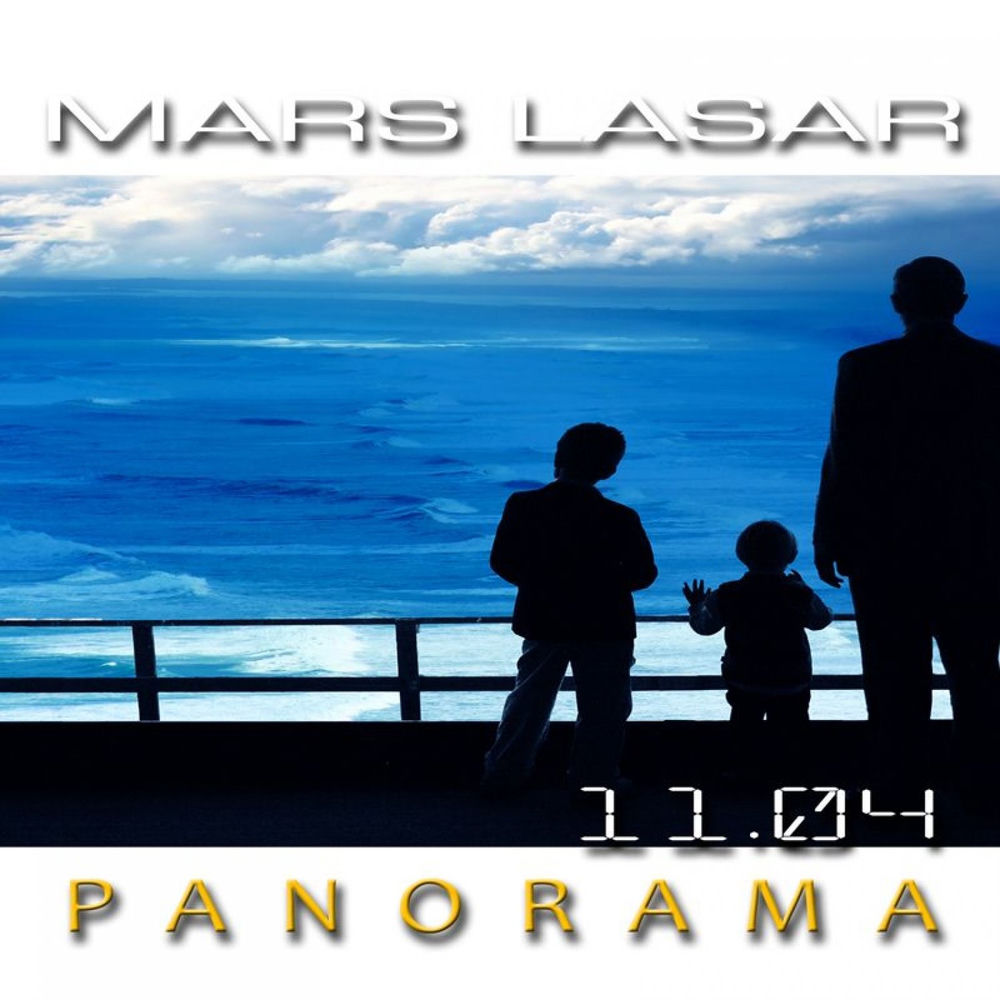
The exposure from the Pontiac commercial catapulted Lasar's music into the mainstream, making "Olympus" a staple in new age and electronic music collections. His follow-up album, 1995's "11:02," continued this momentum, further solidifying his reputation as a top-tier composer in the genre.
Key tracks
The Creeps — This driving, rhythmic track became a cultural touchstone after its use in the Pontiac Sunfire commercial, introducing Lasar's music to millions.
Karma — A standout from "The Eleventh Hour," this song exemplifies Lasar's early mastery of emotive melody and atmospheric synth pads.
Escape from Earth — Featured on the "Olympus" album, this composition showcases his skill in building cinematic, narrative-driven electronic music.
Freedom — This powerful, anthem-like piece was notably used by NBC during their broadcast of the 1996 Summer Olympics in Atlanta.
Throughout the late 1990s and 2000s, Mars Lasar expanded his portfolio into film and television scoring while continuing to release solo albums like "When Worlds Collide." He also engaged in notable collaborations, including work with singer-songwriter Jude on the project "Escape from Earth." His music has been licensed extensively for use in documentaries, network television shows, and corporate presentations, a testament to its evocative and versatile quality.
Fans of Mars Lasar's synthesizer-based, cinematic new age style may also appreciate the work of Kitaro for his epic, culturally-infused electronic compositions. Yanni shares a similar approach to grand, melodic instrumental music performed with large ensembles. The atmospheric work of David Arkenstone offers comparable narrative and fantasy-inspired soundscapes. For a more ambient, minimalist direction, Enya provides a similarly lush and layered production style.
The expansive and atmospheric music of Mars Lasar is a perfect fit for our network's new age and ambient radio stations. His tracks are frequently featured in programming blocks designed for relaxation and focus, resonating with listeners who seek instrumental depth and emotional resonance from their listening experience.
You can hear the evocative electronic and new age compositions of Mars Lasar on radio stations featured right here on onairium.com. Tune in to discover his catalog, from the platinum-certified "Olympus" to his later cinematic works, through our curated selection of music streams.