

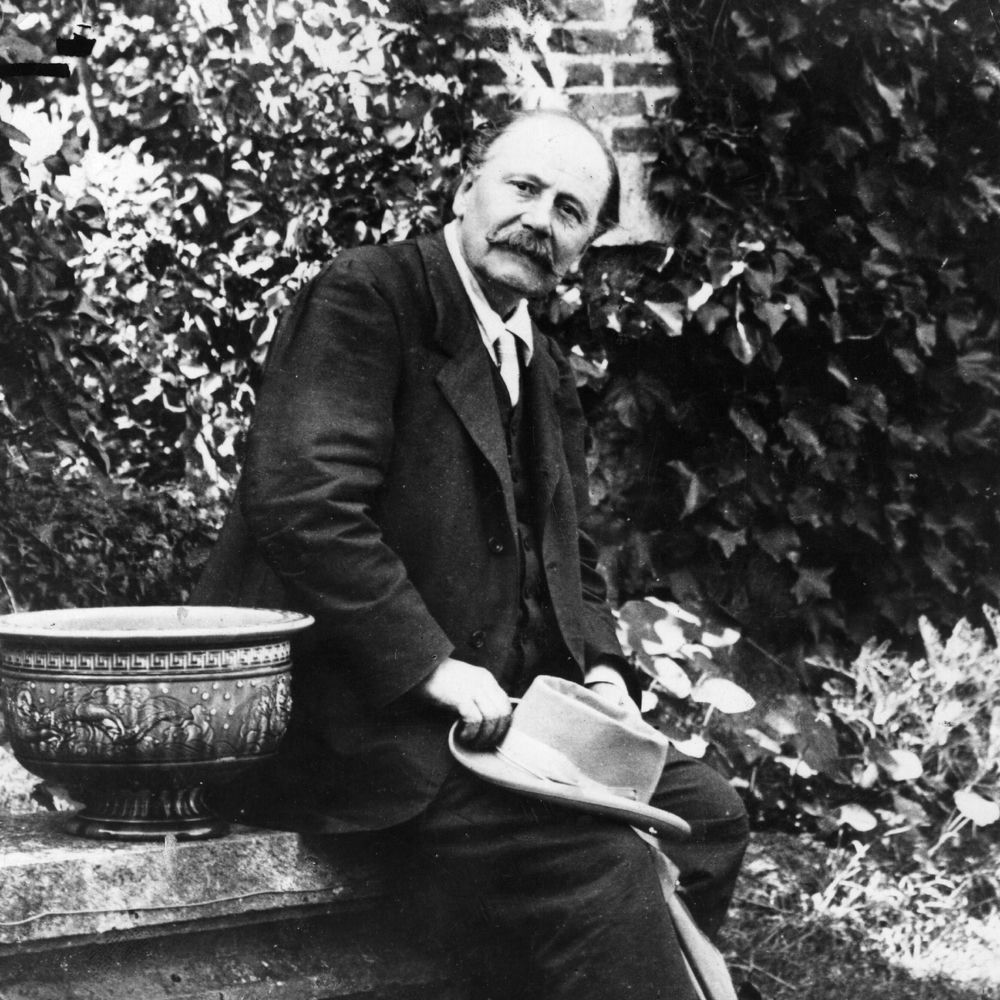
Massenet
Listen Massenet on radio stations:
Massenet: The French Opera Master
Jules Massenet is a celebrated French composer of the late Romantic era, best known for his prolific output of operas. Hailing from Montaud, France, his most famous works, such as Manon and Werther, achieved immense popularity during his lifetime and remain staples in opera houses worldwide.
Early career
Born in 1842, Massenet entered the Paris Conservatoire at the young age of eleven, demonstrating exceptional talent from the start. His early career was solidified in 1863 when he won the prestigious Prix de Rome, allowing him to study in Italy where he began composing orchestral suites and his first operas.
His official operatic debut came in 1867 with La Grand' Tante, a one-act piece performed at the Opéra-Comique. This early period established his connections within the Parisian musical establishment, setting the stage for his later dominance in the genre.
Breakthrough
Massenet's true breakthrough arrived in 1884 with the premiere of Manon at the Opéra-Comique. The opera was an instant and spectacular success, captivating audiences with its melodic richness and poignant dramatization of the Abbé Prévost's novel. Manon quickly entered the standard repertoire, securing his reputation and financial fortune.
This success was followed by another major hit in 1892 with Werther, based on Goethe's novel, which further showcased his gift for lyrical expression and psychological insight. These works cemented his position as the leading opera composer in France, with new works eagerly anticipated by the public.
Key tracks
Manon: "Je marche sur tous les chemins" — This sparkling aria, known as the "Gavotte," became an iconic showpiece for coloratura sopranos and a symbol of the opera's enduring appeal.
Werther: "Pourquoi me réveiller" — The tenor's climactic aria is a masterpiece of Romantic despair and one of the most frequently performed excerpts in all of opera.
Thaïs: "Méditation" — This serene intermezzo for violin and orchestra transcends the opera itself, becoming a beloved standalone concert piece.
Elégie — Originally a piece for cello and piano, this mournful and intensely melodic work achieved widespread fame in various arrangements, far beyond the opera stage.
Massenet's later career was marked by continued productivity, with operas like Cendrillon (1899) and Don Quichotte (1910) showcasing his versatility. He became a professor at the Paris Conservatoire in 1878, influencing a generation of composers including Gustave Charpentier and Ernest Chausson. His ability to craft memorable melodies and understand the nuances of the voice kept his works in constant performance until his death in 1912.
For fans of Massenet's lush, melodic, and dramatically potent French opera, the works of Charles Gounod offer a similar foundation in lyrical Romanticism. Giacomo Puccini, though Italian, shared Massenet's gift for theatrical verismo and passionate vocal writing. The elegant style of Camille Saint-Saëns provides another point of reference from the same national school.
Massenet's music maintains a strong presence on classical radio rotations, particularly on stations dedicated to opera and Romantic-era repertoire. His accessible melodies and dramatic flair make his arias and instrumental pieces perfect for both specialized programming and general classical FM broadcasts.
Listeners can explore the rich catalog of Jules Massenet's operatic and orchestral music through the curated classical and opera stations available on onairium.com, where his works are featured regularly.
