Maxime Le Forestier
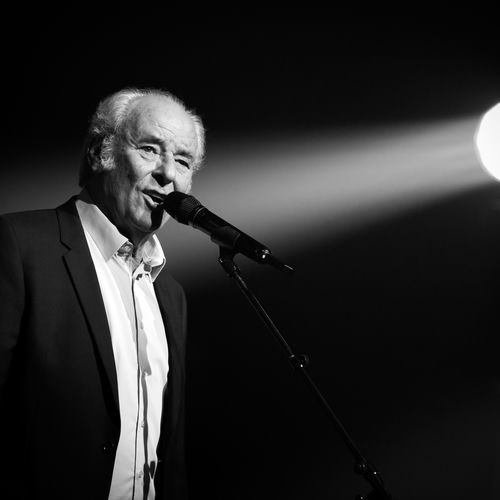
Maxime Le Forestier: The Enduring Voice of French Folk
Maxime Le Forestier is a celebrated French singer-songwriter whose career spans over five decades, defining the sound of French folk and chanson. Born in Paris, he achieved monumental success with his 1972 debut album, "Mon frère," which sold over a million copies and remains a cornerstone of French popular music.
Early career
Born in 1949 in Paris, Bruno Le Forestier began his musical journey in the late 1960s, busking and performing in small Parisian clubs. He adopted the stage name Maxime and, after a period of traveling, recorded his first single, "La Petite Fugue," in 1969, catching the attention of the emerging independent label Polydor.
Breakthrough
His breakthrough arrived in 1972 with the release of his debut album, "Mon frère," on the Polydor label. The album, featuring the now-classic title track, was a massive commercial and critical success, achieving Diamond certification in France for sales exceeding one million units and establishing him as a leading voice of his generation.
Key tracks
Mon frère — This poetic title track from his debut became an instant anthem and remains his signature song, celebrated for its narrative depth and simple guitar accompaniment.
San Francisco — A nostalgic ode to the hippie movement, this track captured the spirit of the early '70s and became a radio staple, further solidifying his popularity.
Passer ma route — A later hit from his 1990 comeback album "Passer ma route," this song marked a successful return to the charts and won the Victoire de la Musique award for Song of the Year.
Né quelque part — From his 1987 album of the same name, this socially conscious song addressing inequality became another major hit and a fan favorite in his repertoire.
Ambalaba — This 1975 single showcased his eclectic style, incorporating world music influences and maintaining his relevance throughout the decade.
Le Forestier continued to release successful albums throughout the 1970s and 1980s, including "Les Jours heureux" and "Né quelque part." His career experienced a powerful resurgence in 1990 with the platinum-certified album "Passer ma route," which spawned several hits. He has collaborated with notable artists like Georges Moustaki and Jean-Pierre Sabard, and in 2008 released the acclaimed album "Restons amants," which went gold.
Fans of Maxime Le Forestier's poetic French folk and chanson style may also appreciate the work of Georges Brassens for his foundational influence on witty, guitar-driven French songwriting. The introspective folk style of Francis Cabrel shares a similar narrative and melodic sensibility. Listeners might also enjoy the poetic realism of Alain Souchon, another key figure in modern French chanson. The melodic folk-pop of Renaud offers a more contemporary and sometimes gritty take on the storytelling tradition.
Maxime Le Forestier's timeless catalog is a fixture on French music programming across various radio formats. His songs are regularly featured on classic French pop stations, dedicated chanson channels, and generalist FM stations that celebrate national musical heritage, ensuring his voice reaches listeners of all ages.
The music of Maxime Le Forestier, a pillar of French folk, can be heard on radio stations featured on our website. Listeners can discover his enduring classics and deeper cuts by tuning into the French and international radio stations available on onairium.com.