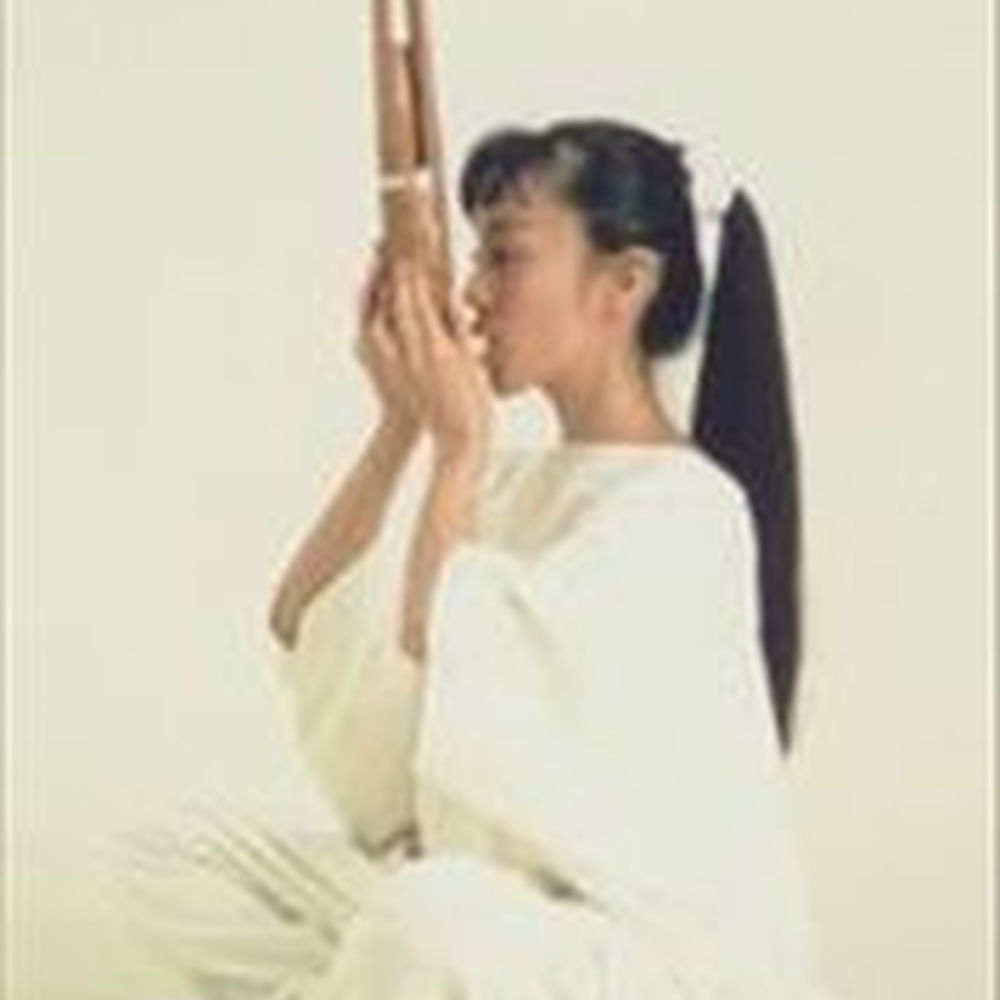
Mayumi Miyata
Mayumi Miyata: The Modern Voice of the Ancient Shō
Mayumi Miyata is a Japanese musician who has redefined the boundaries of traditional music through her mastery of the shō, a centuries-old bamboo mouth organ. Hailing from Tokyo, her groundbreaking collaborations across classical, film, and avant-garde genres have introduced the haunting, ethereal sound of the shō to a global audience, making her its most recognized contemporary performer.
Early Career
Born in 1956, Miyata began her formal study of the shō at the Tokyo University of the Arts in 1975, dedicating herself to the intricate Gagaku court music tradition. Her deep immersion in this ancient art form provided a formidable technical foundation. She soon began seeking ways to expand the instrument's repertoire beyond its ceremonial roots, leading to her first professional recordings and performances in the early 1980s.
Breakthrough
Miyata's international breakthrough arrived in 1995 through a landmark collaboration with renowned composer John Cage. She performed his work "Two4" for shō and conch shells, a piece he wrote specifically for her, at the prestigious Festival d'Automne in Paris. This performance cemented her status as a vital bridge between Japanese tradition and Western contemporary music, attracting the attention of major record labels like Deutsche Grammophon.
Key Tracks
In a Landscape — This 1999 recording for Deutsche Grammophon features Miyata's adaptation of John Cage's piano piece, showcasing her ability to translate modern minimalism through the shō's unique tonal palette.
Kaze-no-Kyoku — A definitive track from her 1993 album "Shō," it exemplifies her command of the instrument's traditional repertoire and its complex, chordal textures.
Voyage — Featured on her collaborative 2001 album "Tidal," this piece with pianist Roger Woodward highlights her improvisational skill and cross-genre dialogue.
Clouds — This solo piece, frequently performed in concert, demonstrates the shō's capacity for sustained, atmospheric soundscapes that are both ancient and strikingly modern.
Her profile soared further with high-profile film work, most notably providing the eerie, otherworldly score for the forest spirit scenes in Hayao Miyazaki's 1997 animated masterpiece "Princess Mononoke." This introduced her sound to millions of new listeners worldwide. Subsequent albums on labels like Sony Classical and Tzadik explored collaborations with artists from diverse fields, including butoh dance and digital art.
Artists exploring the fusion of Japanese traditional instruments with contemporary composition include Kazu Matzubara who blends koto with electronic music. Yoshida Brothers revitalized the tsugaru-shamisen with rock and pop energy. For the avant-garde spirit, Otomo Yoshihide deconstructs guitar and turntable sounds with a similar experimental ethos.
Mayumi Miyata's music finds a natural home on specialized radio streams, particularly those dedicated to global sounds, contemporary classical, and film score appreciation. Her recordings are staples on independent music radio stations and cultural programs that champion artistic innovation and cross-cultural dialogue.
Listeners can explore the captivating world of Mayumi Miyata and the shō through the dedicated global and experimental stations available on onairium.com, where her influential recordings remain in regular rotation.