

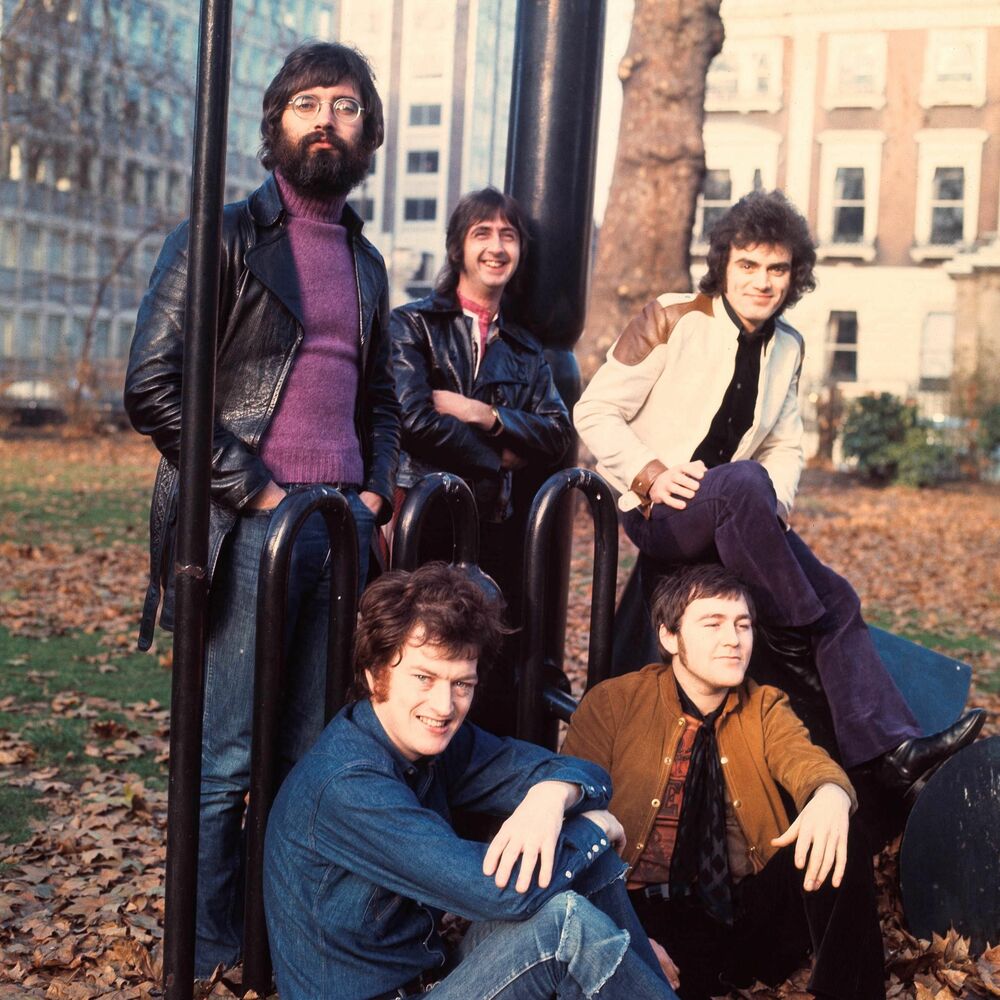


McGuinness Flint: The Folk Rock Supergroup
McGuinness Flint was a British folk rock group formed in 1970 by seasoned musicians from two prominent bands. Their self-titled debut album and its lead single achieved notable chart success, cementing their place in the early 1970s rock scene.
Early Career
The group was a short-lived collaboration between former Manfred Mann members Tom McGuinness (guitar, bass) and Hughie Flint (drums), alongside singer-songwriters Benny Gallagher and Graham Lyle. This union of established session players and talented writers created a distinct sound blending rock, pop, and British folk influences.
Breakthrough
The band's breakthrough came swiftly in 1970 with their debut single, When I'm Dead and Gone. Released on the Capitol label, the song became a major hit in the UK, reaching the Top 5 on the singles chart. Their follow-up, Malt and Barley Blues, also charted successfully, leading to the release of their well-received debut album, McGuinness Flint.
Key tracks
When I'm Dead and Gone - This chart-topping single defined their sound with its catchy melody and harmonica riff, becoming their signature song.
Malt and Barley Blues - The successful follow-up single continued their run of hits with a cheerful, music-hall inspired style.
International - A track showcasing the group's harmonic strengths and the songwriting craft of Gallagher and Lyle.
Despite their initial success, internal dynamics shifted after Gallagher and Lyle departed in 1971 to form the successful duo Gallagher and Lyle. McGuinness and Flint continued with new members, releasing a second album, Happy Birthday, Ruthy Baby, in 1971. The group disbanded in 1975, with members returning to session work and other projects, leaving behind a compact but influential catalogue.
Fans of McGuinness Flint's melodic folk-rock may also enjoy the sounds of Fairport Convention, who pioneered the British folk rock movement. The harmonious songwriting of Gallagher and Lyle continues the legacy of the group's principal writers. The earlier work of Manfred Mann provides context for McGuinness and Flint's musical roots.
