


Medicine Head: The Blues-Rock Duo That Defied Expectations
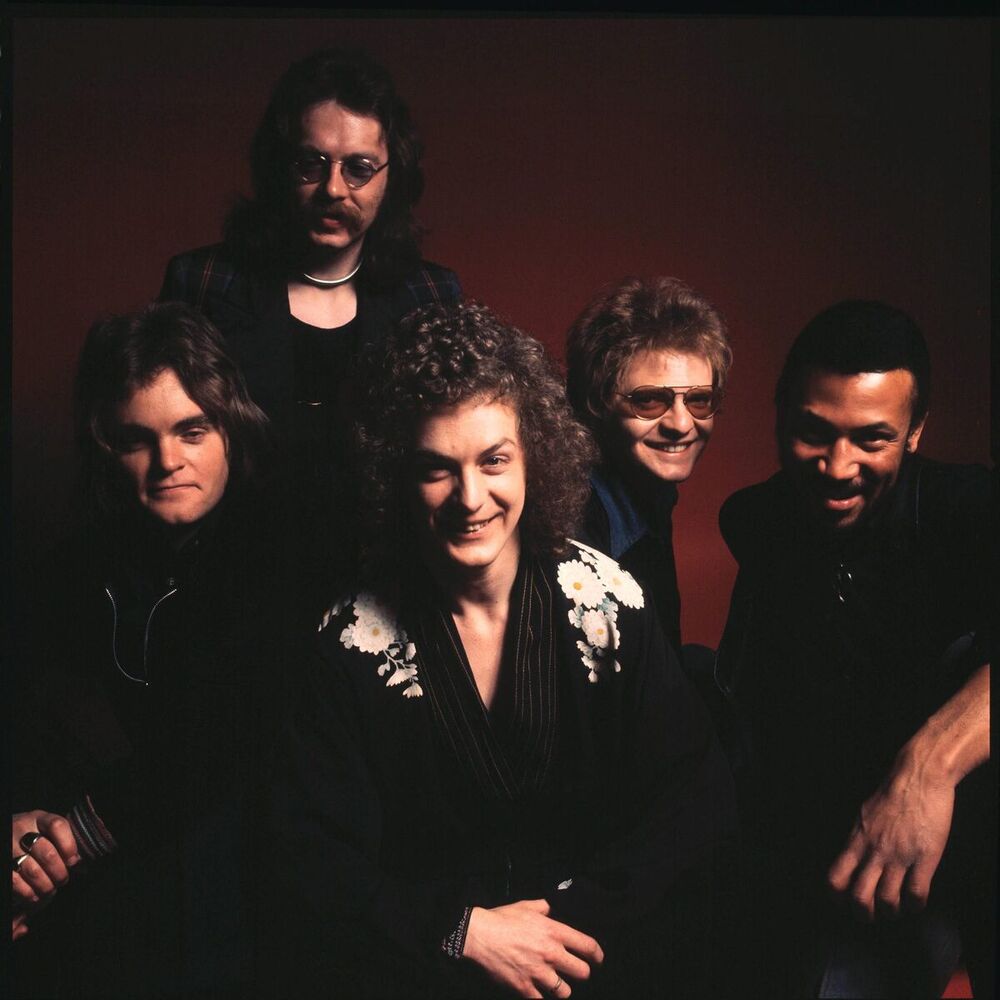
Medicine Head was a British blues-rock duo known for their raw, minimalist sound and unexpected chart success in the early 1970s. Formed in Staffordshire, England, the pair achieved a major feat when their 1973 single One and One is One reached number three on the UK Singles Chart.
Early career
The band formed in 1968 around the core partnership of vocalist and multi-instrumentalist John Fiddler and guitarist Peter Hope-Evans. Their early sound was a stripped-down, rhythmic blues, with Hope-Evans often providing harmonica and jaw harp while Fiddler handled guitar and a basic drum kit. Their raw talent caught the ear of John Peel, who signed them to his Dandelion record label in 1970.
Breakthrough
Medicine Head's commercial breakthrough came after moving to the Polydor label. Their 1973 album Dark Side of the Moon, released the same month as Pink Floyd's monumental work of the same name, spawned their biggest hit. The single One and One is One became a surprise top-three smash, propelling the album into the UK Top 40 and securing their place in the glam and blues-rock landscape of the era.
Key tracks
One and One is One — This infectious, rhythmic single was their highest-charting hit, defining their commercial peak in 1973.
(And The) Pictures In The Sky — An earlier single from 1971 that gained significant airplay on John Peel's show, helping to build their initial cult following.
Slip and Slide — This driving track from their 1972 album Dark Side of the Moon exemplifies their gritty, energetic blues-rock approach.
Only to Do What is True — A later single from 1976 that showcased a more polished rock sound during their tenure with the Warner Bros. label.
The duo experienced several lineup changes and label moves throughout the mid-1970s, including a stint with Warner Bros. Records. Despite never replicating the chart height of One and One is One, Medicine Head continued to record and tour, releasing albums like Two Man Band in 1975. The original partnership of Fiddler and Hope-Evans dissolved later in the decade, though the band name was revived for occasional reunions and recordings.
Fans of Medicine Head's earthy British blues-rock style should also explore the work of Status Quo for their boogie-rock drive, The Groundhogs for a heavier take on blues-based power trios, and John Mayall for foundational British blues experimentation. The quirky, minimalist spirit of the duo can also be heard in the early work of The White Stripes decades later.
Medicine Head's distinctive brand of 1970s rock maintains a steady presence on the airwaves. Their hits are staples on classic rock FM stations, while their deeper album cuts find a home on specialist alternative and independent music radio stations celebrating the era's diverse guitar music.
The music of Medicine Head continues to be featured across multiple radio stations available on onairium.com. Listeners can easily discover or revisit the raw energy of this classic British duo through our curated selection of online rock radio streams and classic rock stations.
