Mercedes Sosa
Type: Person
 Madagascar
Madagascar
Listen on radio stations:

Mercedes Sosa: The Voice of Latin America's Nueva Canción
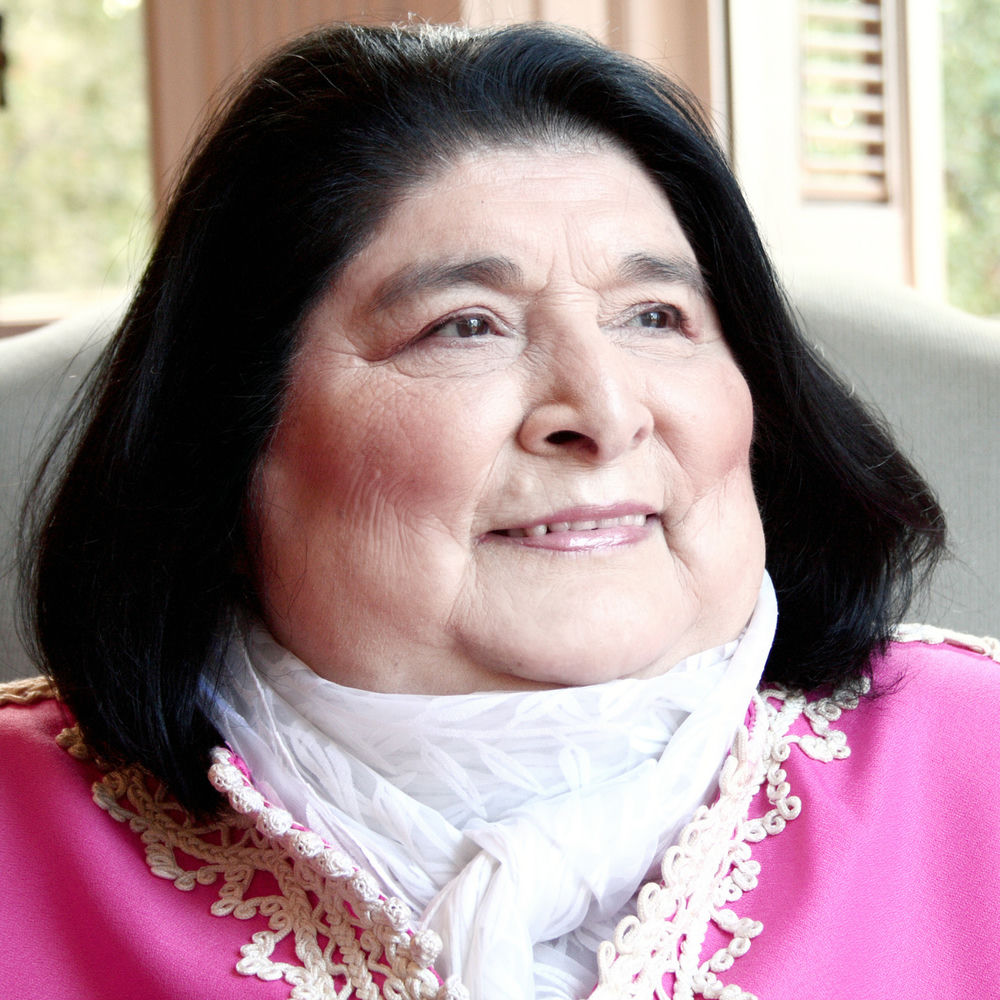
Haydée Mercedes Sosa, known globally as Mercedes Sosa, was an Argentine singer who became a towering figure in Latin American folk music and the Nueva Canción movement. Hailing from San Miguel de Tucumán, Argentina, her profound contralto voice and deeply political songbook earned her the nickname "La Negra" and made her an icon across the Spanish-speaking world.
Early Career
Mercedes Sosa was born in 1935 in northwestern Argentina. Her musical journey began at age fifteen when she won a singing competition organized by a local radio station, which led to a contract to perform.
In the early 1960s, she became a foundational part of the "Nuevo Cancionero" (New Songbook) movement in Mendoza, which sought to revitalize Argentine folk music with poetic and socially conscious lyrics, moving it beyond traditionalist themes.
Breakthrough
Sosa's career shifted significantly in 1965 with her powerful interpretation of "Canción del derrumbe indio" and, more famously, "Canción con todos." Her 1967 album "Yo no canto por cantar..." was a major success, but her definitive breakthrough came with the 1971 live record "Homenaje a Violeta Parra," which featured her rendition of "Gracias a la vida." This album cemented her status as a leading voice of the nueva canción genre.
Key Tracks
Gracias a la Vida - Her monumental cover of Violeta Parra's composition became Sosa's signature anthem, a hymn to life that resonated across continents.
Canción con todos - This song, written by Armando Tejada Gómez and César Isella, became an unofficial Latin American anthem of unity, central to her repertoire.
Alfonsina y el Mar - Sosa's haunting performance of this song about poet Alfonsina Storni's suicide is a landmark in Argentine folk music.
Todo Cambia - Written by Julio Numhauser, this song's message of constant change reflected the social currents Sosa's music often addressed.
Como la Cigarra - Her version of María Elena Walsh's song about resilience became a potent symbol of survival, particularly after Sosa's own exile.
Exile and International Acclaim
Due to the political content of her music and performances, Mercedes Sosa faced persecution during Argentina's military dictatorship. In 1979, she was arrested during a concert in La Plata and subsequently forced into exile, living in Paris and Madrid.
Her return to Argentina in 1982, with a series of legendary comeback concerts at the Teatro Ópera in Buenos Aires, was a major cultural event, symbolizing the return of democracy. Throughout the 1980s and 1990s, she expanded her collaborations, working with artists across genres from Latin pop to rock, which introduced her powerful folk style to new generations.
Legacy and Later Work
Mercedes Sosa continued recording and performing internationally until her death in 2009. Her later albums, such as "Cantora," were ambitious projects featuring duets with a wide range of artists from across the Latin music spectrum.
Her vast discography, spanning over forty albums, earned her multiple Grammy Awards and Latin Grammy Awards, including a posthumous Lifetime Achievement Award. The music of Mercedes Sosa remains a foundational pillar of Argentine and Latin American folk, her voice forever linked to the struggle for justice and human dignity.
Similar artists