Miami Sound Machine
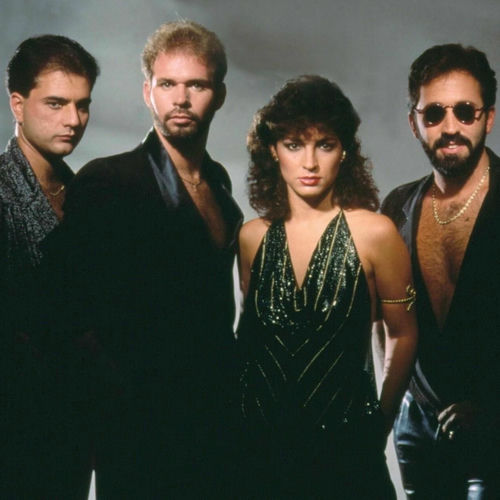
Miami Sound Machine: The Pioneers of Latin Pop
Miami Sound Machine is the American band that became the launchpad for global superstar Gloria Estefan, blending Cuban rhythms with mainstream pop and disco. Formed in Miami, Florida, the group achieved monumental success in the 1980s, selling over 100 million records worldwide and scoring numerous platinum certifications.
Early career
The group's origins trace back to 1975, founded by Emilio Estefan Jr. as the Miami Latin Boys, a wedding band specializing in traditional Cuban music. After recruiting lead singer Gloria Fajardo (soon to be Gloria Estefan) in 1977, they renamed themselves Miami Sound Machine and signed with CBS Discos International, releasing several Spanish-language albums throughout the late 1970s and early 1980s.
Breakthrough
The band's crossover breakthrough arrived in 1984 with the album Eyes of Innocence and its single "Dr. Beat," which became a major club hit across Europe. Their true commercial explosion came in 1985 under the Epic Records label with the album Primitive Love, which spawned three top-ten pop hits and was certified triple platinum in the United States, cementing their international stardom.
Key tracks
Conga — This 1985 single broke cultural barriers, becoming the first song to chart on Billboard's pop, dance, black, and Latin charts simultaneously.
Bad Boy — Another smash from Primitive Love, this track showcased their signature synth-driven sound and solidified their chart dominance.
Rhythm Is Gonna Get You — A defining hit from their 1987 album Let It Loose, it exemplified their perfected blend of infectious percussion and pop melody.
Anything for You — This 1988 ballad became the band's first number-one single on the Billboard Hot 100, demonstrating their versatility and broad appeal.
1-2-3 — An earlier Spanish-language hit from 1984, this song was key to their initial Latin American popularity before their English crossover.
Following the massive success of Let It Loose (re-titled Anything for You internationally), the act was increasingly billed as Gloria Estefan and Miami Sound Machine. The 1989 album Cuts Both Ways, released under that moniker, continued their streak with hits like "Don't Wanna Lose You" and "Get On Your Feet," though it marked a transition toward Estefan's solo career.
While the band's active recording period as a full ensemble concluded in the early 1990s, their legacy as architects of the Latin pop explosion is indelible. Their pioneering fusion opened doors for countless artists and their catalog remains a staple of pop and dance playlists globally. Fans of Miami Sound Machine's vibrant sound also enjoy the crossover styles of Gloria Estefan for the obvious direct connection and solo work. The rhythmic pop of Jon Secada shares a similar Miami-based, bilingual approach. The energetic dance-pop of The Cover Girls captures the same era's freestyle spirit, while the tropical influences in Carlos Vives music echo the band's foundational Latin rhythms.
The music of Miami Sound Machine maintains constant rotation on a variety of radio formats, from classic hits and 80s stations to dedicated Latin pop and tropical music channels. Their timeless dance anthems and powerful ballads ensure they remain a fixture on playlists that celebrate pop music history.
Listeners can discover the iconic catalog of Miami Sound Machine on radio stations featured on our website. Tune in to the stations available on onairium.com to hear the pioneering Latin pop hits that defined an era.