
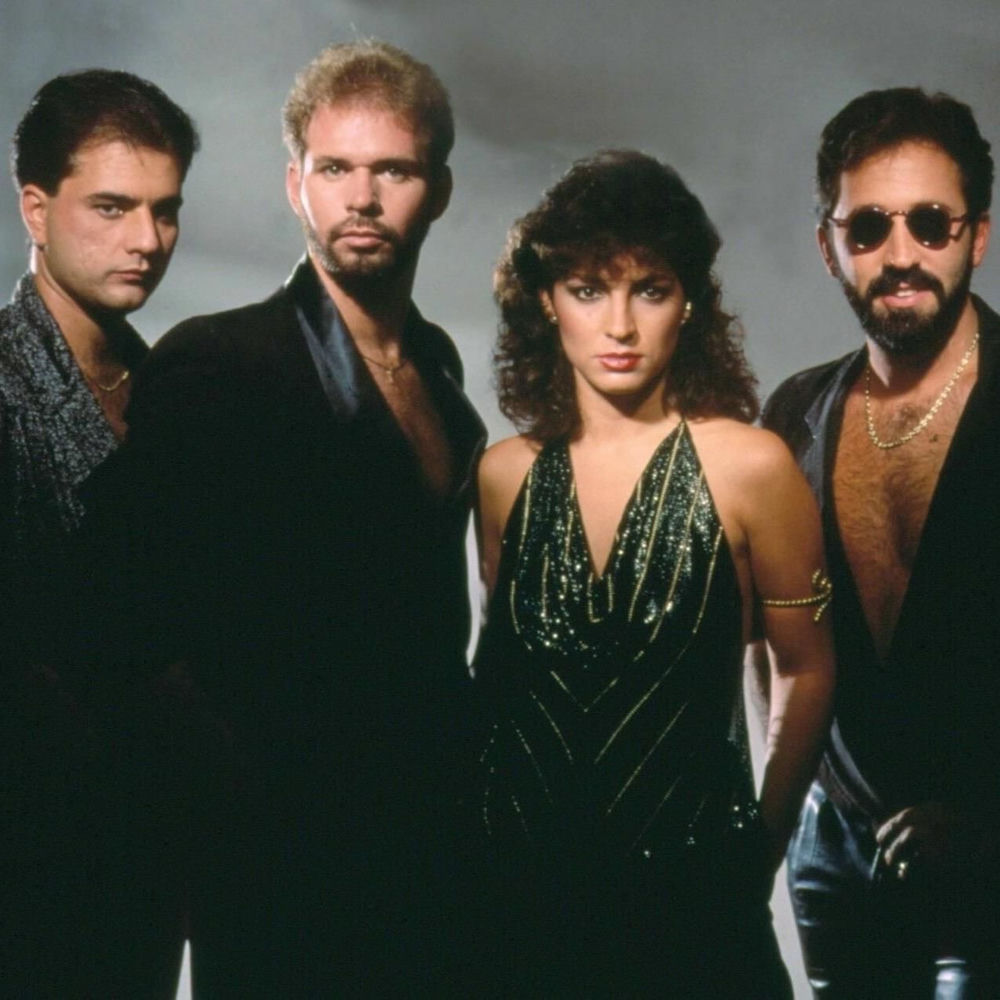
Miami Sound Machine
 United States
Listen Miami Sound Machine on radio stations:




Miami Sound Machine: The Pioneers of Latin Pop and Dance
Miami Sound Machine is the American band that became the launchpad for global superstar Gloria Estefan. Originating from Miami, Florida, the group achieved international success in the 1980s by fusing dance-pop with Latin rhythms, selling millions of records worldwide and scoring numerous top ten hits.
Early career
The group's origins trace back to 1975, founded by Emilio Estefan. Initially named the Miami Latin Boys, they performed at local weddings and events, playing a mix of traditional Cuban music and American pop covers. After Gloria Fajardo (later Estefan) joined as a vocalist, the band evolved, changed its name to Miami Sound Machine, and began recording Spanish-language albums for the independent label Discos CBS International.
Breakthrough
The band's crossover into the English-language market began with the 1984 album Eyes of Innocence, which contained the dance-floor hit Dr. Beat. Their true international breakthrough came in 1985 with the single Conga from the album Primitive Love. The song's irresistible rhythm became a worldwide phenomenon, breaking into the pop, dance, and Black charts simultaneously and paving the way for Latin music's broader acceptance.
Key tracks
Conga - This 1985 single was the explosive crossover hit that introduced their Latin-pop fusion to a global audience, becoming a cultural anthem.
Bad Boy - Another major hit from the Primitive Love album, this track solidified their reputation for crafting sleek, synth-driven dance-pop.
Rhythm Is Gonna Get You - From the 1987 album Let It Loose, this song showcased a more polished, mainstream pop sound that dominated charts.
Anything for You - This ballad became the band's first number-one single on the Billboard Hot 100 in 1988, demonstrating their versatility.
1-2-3 - A key track from their early crossover period, it highlighted their signature blend of freestyle synth-pop and Latin percussion.
Following the massive success of Let It Loose (re-titled Anything for You in some markets), the act transitioned to being billed as "Gloria Estefan and Miami Sound Machine." The 1989 album Cuts Both Ways was the final studio album under the joint name, after which Gloria Estefan embarked on her monumental solo career, though the Miami Sound Machine name and musicians remained integral to her recordings and tours.
Artists exploring a similar fusion of pop, dance, and Latin influences include Gloria Estefan, whose solo work evolved directly from the band's foundation. The freestyle dance sound is also echoed in Exposé, a group that found success with a similar blend of pop vocals and uptempo rhythms. For listeners drawn to the Latin pop element, the work of Jon Secada, who wrote for and collaborated with the Estefans, offers a related style. The band's influence can also be heard in later dance-pop acts like No Doubt, which incorporated ska and pop with a vibrant stage presence.
The infectious, cross-cultural hits of Miami Sound Machine remain a staple on adult contemporary and classic hits radio stations, as well as specialty formats focusing on 80s dance and Latin pop. Their music continues to receive regular airplay, connecting with both nostalgic listeners and new audiences discovering the origins of modern Latin-pop fusion.
The music of Miami Sound Machine, the groundbreaking ensemble that brought Latin rhythms to the global pop forefront, can be heard on various radio stations featured here. Listeners can explore the band's essential catalog through the radio streams available on onairium.com.